Best Dog Breeds for Apartment Living in 2026
Living in an apartment doesn’t mean you have to put your dream of owning a dog on hold. More people than ever are raising happy, healthy dogs in condos, studios, and high-rise units, and honestly, it’s easier than most folks think once you know what to look for.
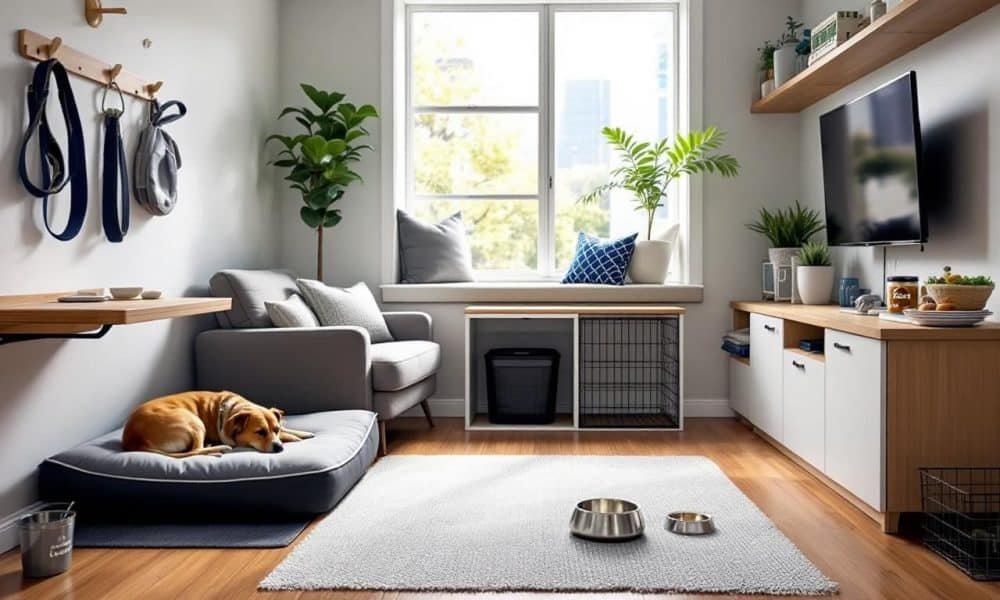
The truth is, size isn’t the only thing that matters when picking an apartment dog. A dog’s energy level, noise habits, and how well it handles being alone for a few hours often matter more than how many square feet it needs to stretch out in. Some small breeds are actually terrible apartment dogs because they bark at every footstep in the hallway, while some medium and even large breeds settle into apartment life beautifully because they’re naturally calm and adaptable.
In this guide, we’ll walk through the best dog breeds for apartment living in 2026, what makes them a good fit, and a few practical tips to help your dog (and your neighbors) thrive in a smaller space.
What Makes a Dog Good for Apartment Life?
Before jumping into the breed list, it helps to understand the traits that actually matter for apartment living.
Low to moderate energy levels. Dogs that need hours of vigorous exercise every day can get restless and destructive in a small space. That doesn’t mean apartment dogs need zero exercise, but breeds that are content with a couple of walks and some indoor playtime tend to do better.
Minimal barking tendencies. Thin walls and close neighbors mean a vocal dog can quickly become a problem. Breeds that are naturally quiet, or at least trainable when it comes to barking, make apartment living smoother for everyone.
Adaptability and temperament. Dogs that are easygoing, not overly territorial, and comfortable around new people and other pets in shared spaces like elevators and hallways tend to adjust well.
Size (sometimes). Smaller dogs are often easier to manage in tight spaces, but this isn’t a hard rule. Plenty of medium and larger breeds are surprisingly low-key indoors.
12 Best Dog Breeds for Apartment Living in 2026
1. French Bulldog
French Bulldogs remain one of the most popular apartment dogs, and for good reason. They’re small, low-energy, and don’t require much more than short daily walks to stay happy. Frenchies are also known for being fairly quiet compared to other small breeds.
One thing to keep in mind is that French Bulldogs are a brachycephalic (flat-faced) breed, which means they can struggle with heat and breathing issues. Keeping your apartment cool and avoiding overexertion is important for their health.
2. Cavalier King Charles Spaniel
Cavaliers are affectionate, gentle, and adapt well to smaller living spaces. They love being close to their owners and are generally calm indoors, making them a great match for apartment life. They do enjoy regular walks and playtime, but they’re not the type of dog that needs a yard to burn off energy.
3. Basenji
Often called the “barkless dog,” the Basenji is a great choice if noise is a top concern. Instead of barking, Basenjis make a unique yodel-like sound, and even that is fairly rare. They’re independent and intelligent, though they do need consistent mental stimulation to stay out of trouble.
4. Bichon Frise
Bichon Frises are cheerful, adaptable, and don’t shed much, which is a nice bonus for apartment dwellers dealing with shared laundry facilities and smaller spaces. They’re playful without being hyperactive, and they generally do well with regular grooming and moderate exercise.
5. Greyhound
This one surprises a lot of people. Despite their reputation as racing dogs, Greyhounds are often called “45 mph couch potatoes.” Once they get their exercise in, usually a good sprint or brisk walk, they’re content to lounge around for the rest of the day. Their calm indoor temperament makes them a surprisingly good fit for apartments.
6. Shih Tzu
Shih Tzus were literally bred to be companion dogs, which makes them naturally suited to close living quarters. They’re small, affectionate, and don’t require intense exercise. Regular grooming is a must due to their long coat, but their temperament makes up for the extra maintenance.
7. Pug
Pugs are playful, people-oriented, and don’t need a lot of space to be happy. They do best with moderate exercise and a cool living environment, since they share the brachycephalic traits of French Bulldogs. Their small size and affectionate nature make them a longtime favorite among apartment owners.
8. Boston Terrier
Boston Terriers are friendly, adaptable, and relatively low-maintenance when it comes to exercise needs. They’re known for being good with people and other pets, which is helpful in apartment buildings where dogs frequently cross paths in common areas.
9. Italian Greyhound
A smaller cousin to the Greyhound, the Italian Greyhound shares that same low-key indoor energy. They’re slim, elegant, and don’t need much space to feel comfortable. Because they’re sensitive to cold, they do especially well in climate-controlled apartments.
10. Havanese
Havanese dogs are social, adaptable, and generally quiet compared to other small breeds. They form strong bonds with their families and do well with moderate daily exercise. Their friendly nature also makes them a good option for apartment buildings with a lot of foot traffic.
11. Whippet
Similar to Greyhounds, Whippets are sprinters rather than endurance athletes. A short burst of exercise, followed by a lot of lounging, is typically enough to keep them content. They’re gentle, quiet, and tend to bond closely with their owners, which makes apartment life feel natural to them.
12. Poodle (Toy or Miniature)
Poodles are highly intelligent, trainable, and adapt well to smaller spaces, especially the toy and miniature varieties. They’re also a popular choice for people with allergies since they shed very little. Their intelligence means they do need mental stimulation, but this can easily be provided indoors with puzzle toys and training sessions.
Tips for Raising a Dog in an Apartment
Choosing the right breed is just the first step. Here are a few practical tips to help your dog settle into apartment living comfortably.
Establish a consistent walking routine. Even low-energy breeds need regular walks for bathroom breaks, mental stimulation, and basic exercise. Two to three walks a day is a good baseline for most apartment dogs.
Invest in noise training early. Even quiet breeds can develop barking habits if they’re startled by hallway noises or unfamiliar sounds. Positive reinforcement training in the first few months can prevent this from becoming a long-term issue.
Make the most of vertical and indoor space. Cat trees aren’t just for cats. Dog-friendly climbing platforms, tunnels, and puzzle feeders can help dogs stay mentally engaged without needing a big backyard.
Consider a dog walker or daycare for high-energy days. If your schedule gets busy, having a backup plan for exercise can prevent boredom-related behavior issues like chewing or excessive barking.
Check with your building on pet policies. Some apartment buildings have weight limits or breed restrictions, so it’s worth confirming this before bringing a new dog home.
Final Thoughts
The best dog breeds for apartment living in 2026 aren’t necessarily the smallest ones. What matters most is finding a dog whose energy level, temperament, and noise habits match your lifestyle and living space. Whether you go with a laid-back Greyhound, a playful Frenchie, or an intelligent Poodle, plenty of breeds can thrive in apartment settings with the right care and routine.
If you’re still deciding, spend some time with a few different breeds if possible, whether through a friend, a shelter visit, or a breed-specific rescue. Every dog has its own personality, and getting a feel for how a breed behaves in person can make all the difference in choosing the right companion for your apartment.
Frequently Asked Questions
What is the quietest dog breed for apartment living?
Basenjis are known as one of the quietest breeds since they rarely bark, though other breeds like Greyhounds and Bichon Frises are also relatively low-noise options with proper training.
Can large dogs live comfortably in apartments?
Yes, in some cases. Breeds like Greyhounds are naturally calm indoors despite their size. What matters more than size is the dog’s energy level and temperament.
How much exercise do apartment dogs need?
Most apartment-friendly breeds do well with one to three walks a day, along with some indoor playtime or mental stimulation. Exact needs vary by breed and age.
Are apartment dogs harder to potty train?
Not necessarily, though it may take a bit more planning since you likely won’t have direct yard access. Consistent walk schedules and, if needed, pee pads for younger puppies can help.
Should I consult a vet before choosing a breed?
Yes. A veterinarian can help you understand breed-specific health considerations, especially for flat-faced breeds like French Bulldogs and Pugs, which may need extra care in warmer climates or during physical activity.