Can Cats Eat Bananas Safely?
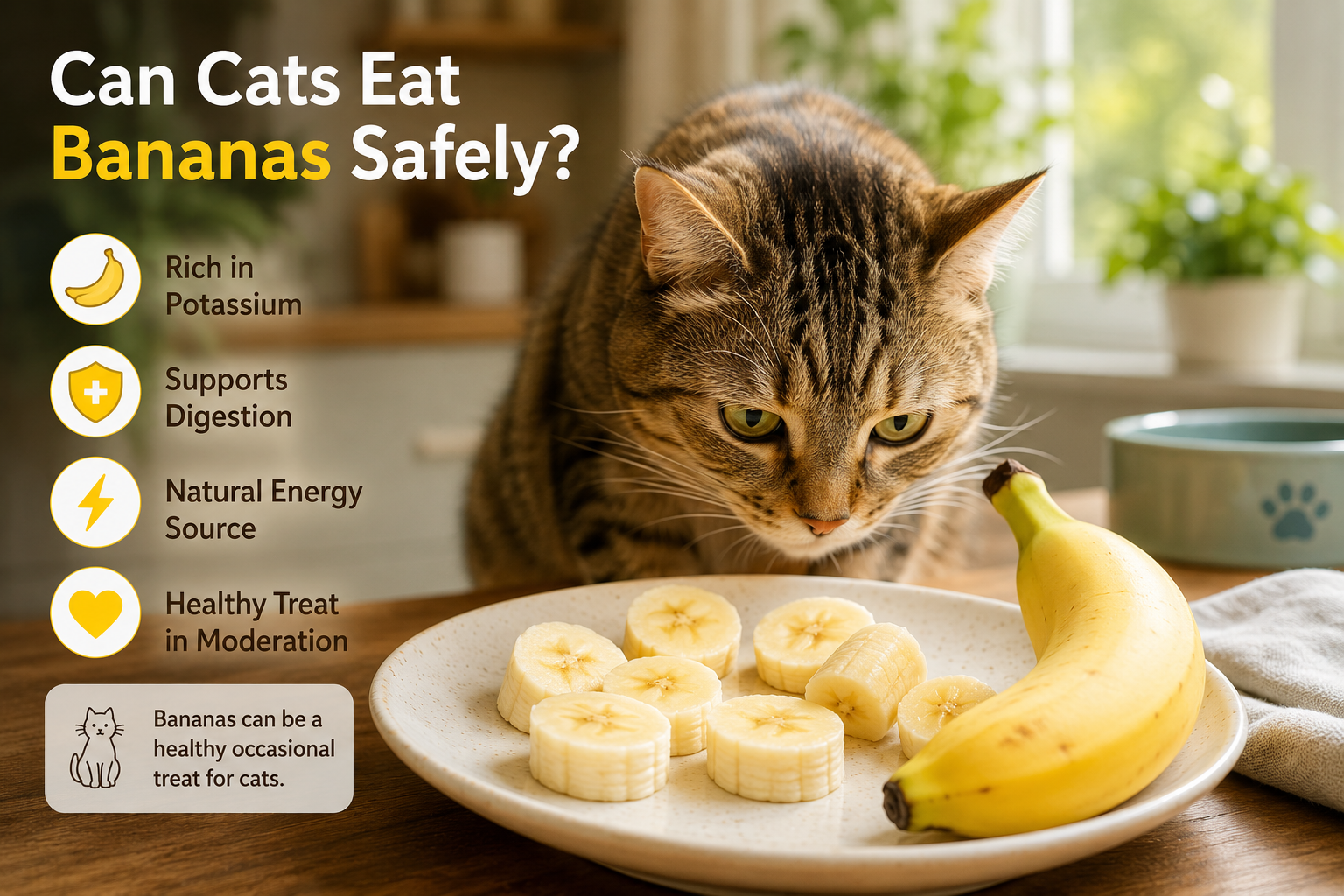

Can Cats Eat Bananas Safely? Everything Cat Owners Need to Know
If you’ve ever peeled a banana in front of your cat, you might have noticed them showing sudden interest. Maybe they rubbed their head against your hand, meowed at you, or tried to investigate what you were eating. It’s a common scene in households with curious felines, and it raises a natural question: can cats eat bananas safely?
The answer isn’t as straightforward as yes or no. While bananas won’t poison your cat, they’re not exactly a nutritional superstar for feline health either. As someone who’s spent years working with cats and their dietary needs, I can tell you that understanding what’s actually safe for your cat—and what’s not—makes a huge difference in their long-term health.
This guide walks you through everything you need to know about feeding bananas to your cat, including potential benefits, real risks, proper portion sizes, and when you should skip the banana altogether. Whether you’re a new cat owner or you’ve had cats for decades, you’ll find practical, evidence-based information here.
TABLE OF CONTENTS
- Can Cats Eat Bananas Safely?
- Are Bananas Toxic to Cats?
- Nutritional Value of Bananas
- Health Benefits of Bananas for Cats
- Potential Risks of Feeding Bananas
- Can Kittens Eat Bananas?
- Can Cats Eat Banana Peels?
- How Much Banana Can Cats Eat?
- How to Safely Feed Banana to Your Cat
- Signs Your Cat Doesn’t Tolerate Bananas
- What Fruits Can Cats Eat?
- Fruits Cats Should Never Eat
- What Do Veterinarians Say?
- Frequently Asked Questions
- Final Verdict
CAN CATS EAT BANANAS SAFELY? {section-1}
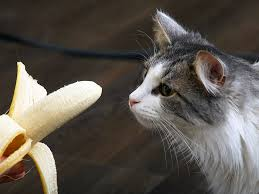
Yes, cats can eat small amounts of banana safely, but there’s important context here. Your cat isn’t going to suffer acute toxicity from a tiny piece of banana. However, bananas aren’t a food your cat’s body actually needs, and there are legitimate reasons to limit them.
Cats are obligate carnivores, which means their digestive systems evolved to process meat, not fruit. Their bodies don’t require carbohydrates the way humans do, and they can’t produce certain nutrients that omnivores synthesize from plant sources. This fundamental biology shapes how we should think about feeding them treats.
Here’s the practical reality: occasional, small amounts of banana won’t hurt most cats. If your cat accidentally gets a nibble or two, don’t panic. But if you’re considering bananas as a regular treat or a significant part of your cat’s diet, that’s a different story. That’s when the risks start outweighing any minimal benefits.
The key word is moderation. We’re talking about tiny pieces—maybe the size of your pinky fingernail—as an occasional treat, not a snack you offer several times a week.
ARE BANANAS TOXIC TO CATS? {section-2}
This is the first question most worried cat owners ask, and I’m glad to give you peace of mind: bananas are not toxic to cats. Your cat’s liver won’t shut down, their kidneys won’t fail, and they won’t develop poisoning from eating banana.
Bananas don’t contain any of the compounds that are genuinely dangerous to cats—things like theobromine (in chocolate), persin (in avocado), or n-propyl disulfide (in certain onions and garlic). That’s why you won’t see bananas on any official toxin lists from the ASPCA or veterinary poison control.
But here’s where people get confused: not toxic doesn’t mean beneficial. It doesn’t even mean it’s a good idea to feed regularly. Lots of foods aren’t toxic but are still inappropriate for cats. Bread, rice, and certain vegetables fall into this category. They’re safe in tiny amounts but don’t add meaningful nutrition for felines.
The absence of toxins is only one part of the equation. The other parts involve digestion, nutrition, and whether the treat creates problems like weight gain or blood sugar spikes.
NUTRITIONAL VALUE OF BANANAS {section-3}
Understanding what’s actually in a banana helps explain why it’s only an occasional treat for cats. Let’s look at the numbers.
A medium banana (about 118 grams) contains:
| Nutrient | Amount | Benefit for Cats |
|---|---|---|
| Calories | 105 | High for a treat; cats need only 150-250 daily |
| Carbohydrates | 27g | Not essential; cats synthesize needed glucose |
| Fiber | 3.1g | Minimal benefit; cats need meat fiber |
| Potassium | 358mg | Small amount; cats need adequate but excess isn’t harmful |
| Vitamin B6 | 0.43mg | Present but cats synthesize from meat sources |
| Vitamin C | 8.7mg | Cats don’t require dietary vitamin C |
| Natural Sugars | 14g | This is the real concern |
| Fat | 0.3g | Minimal |
| Protein | 1.1g | Almost negligible |
The standout issue? Sugar content. That 14 grams of natural sugars makes up more than half the banana’s carbohydrate content. For a cat eating approximately 1,800-2,000 calories daily in a balanced diet, even a small banana slice represents a significant sugar load.
HEALTH BENEFITS OF BANANAS FOR CATS {section-4}
Let’s be honest about the potential positives, even if they’re limited.
Fiber Content
Bananas contain soluble and insoluble fiber. While cats don’t need much fiber compared to humans, small amounts can support digestive health. If your cat struggles with occasional constipation, a tiny banana piece might help. However, it’s usually better to address constipation through hydration and appropriate dietary changes rather than introducing fruit.
Potassium
Your cat’s heart, muscles, and nerves all rely on potassium. A banana does provide potassium, and while cats getting complete, balanced commercial diets already have adequate potassium, it’s not harmful to have a little extra. The amount in a small banana piece is modest enough that it doesn’t create mineral imbalances.
Vitamin B6
Also called pyridoxine, B6 supports brain development, immune function, and energy metabolism. Cats usually get plenty from meat-based proteins in their regular diet, but this vitamin is present in banana.
Vitamin C
Here’s where it gets interesting. Cats don’t require dietary vitamin C—they synthesize it in their liver from amino acids. So while a banana contains vitamin C, your cat isn’t gaining anything nutritionally from it. Their body simply doesn’t need external sources.
Hydration
Bananas are approximately 75% water. While they do contain moisture, they’re not an effective hydration source. Cats get most water through food and drinking, and if your cat needs more hydration, water and high-moisture foods like broth are far better choices.
The Real Picture
These benefits are minimal because your cat’s regular diet of quality cat food already provides these nutrients in forms their body can actually use. A complete and balanced commercial diet contains all the potassium, B vitamins, and fiber a healthy cat needs. Adding banana doesn’t fill nutritional gaps—it just adds extra calories and sugar.
POTENTIAL RISKS OF FEEDING BANANAS {section-5}
This is where we need to talk honestly about why bananas should be limited.
High Sugar Content
This is the biggest concern. A single medium banana contains 14 grams of natural sugars. For a 10-pound cat, that’s proportionally equivalent to a human eating multiple tablespoons of sugar in one sitting.
Excess sugar doesn’t match a cat’s natural diet. Wild cats eat prey with minimal carbohydrates. Their digestive systems aren’t designed to process large sugar loads, and regular exposure can lead to blood sugar fluctuations.
Digestive Upset
Many cats lack sufficient enzymes to efficiently digest fruit sugars and plant material. You might notice:
- Diarrhea or loose stools
- Vomiting
- Stomach rumbling
- Reduced appetite
Some cats tolerate banana fine; others experience noticeable GI upset from even small amounts.
Weight Gain and Obesity
A medium banana contains 105 calories. For a typical 10-pound indoor cat needing about 150-250 calories daily, a whole banana is 40-70% of their daily caloric needs. Even a slice—just one-tenth of a banana—represents 10 calories or roughly 4-7% of daily intake.
Frequent banana treats, combined with other treats and regular food, easily push cats into a caloric surplus. Feline obesity has become increasingly common, and it contributes to diabetes, joint problems, and reduced lifespan.
Diabetes Concerns
Cats can develop Type 2 diabetes, and obesity is a primary risk factor. Additionally, chronic exposure to high-carbohydrate, high-sugar treats may impair glucose regulation over time. While a single banana piece won’t cause diabetes, regular banana consumption contributes to the risk factors that lead to it.
Choking Hazards
This is particularly relevant for kittens and senior cats. Banana has a dense, slightly sticky texture that doesn’t break down quickly in a cat’s mouth. A piece that’s too large could lodge in the throat or cause choking.
Allergic Reactions
While rare, some cats develop allergies to banana. Signs include:
- Itching or skin rashes
- Facial swelling
- Vomiting
- Difficulty breathing (rare but serious)
If you’ve never fed your cat banana before, a small test piece is wise before offering larger amounts.
CAN KITTENS EAT BANANAS? {section-6}
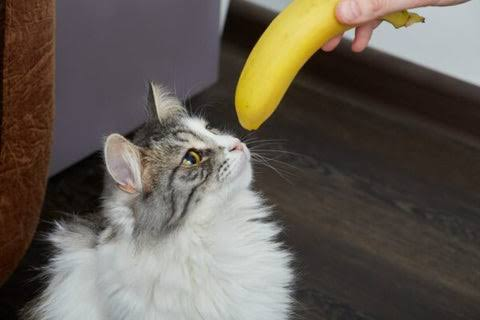
Kittens should not eat bananas, or if they do, only the tiniest pieces under careful supervision.
Growing kittens have specific nutritional needs. They require high protein, specific amino acid ratios, and carefully balanced calories to support development. A banana contributes empty calories and sugar while displacing room for nutrient-dense foods they actually need.
Additionally, kittens’ digestive systems are still developing. Introducing fruits too early can disrupt their gut bacteria and cause diarrhea. Kittens are also more prone to choking because they often don’t chew thoroughly—they swallow quickly.
If you want to give your kitten a treat, stick to:
- Small pieces of cooked, unseasoned chicken
- Specialized commercial kitten treats
- A tiny amount of cooked pumpkin
These offer more appropriate nutrition for developing cats. Save the banana experiments for adult cats, and even then, only occasionally.
CAN CATS EAT BANANA PEELS? {section-7}
Absolutely not. Banana peels should never be given to cats, and here’s why.
Texture and Choking Risk
Banana peels are thick, fibrous, and don’t break down easily. A cat could swallow a piece whole and face choking or intestinal blockage. This is especially dangerous because peels don’t soften in stomach acid the way banana flesh does.
Pesticide Residue
Unless your banana is certified organic, the peel likely contains pesticide residues. While the amount that might transfer to your cat from casual contact is minimal, intentionally giving them a peel introduces unnecessary chemical exposure.
High Fiber
Peels are far higher in fiber than the fruit itself. Too much fiber causes digestive upset, including diarrhea and constipation alternating. Your cat’s GI system isn’t designed to process this much plant material.
Difficult to Digest
Cats simply cannot digest banana peel effectively. It passes through their system largely intact, sometimes causing blockages if pieces are large enough.
Bottom line: Banana peels go in the trash. If your cat manages to grab a piece, monitor them for a few days for any signs of blockage (lethargy, vomiting, constipation), but one small incident is usually fine.
HOW MUCH BANANA CAN CATS EAT? {section-8}
If you’re going to offer banana, portion size matters tremendously. Here’s a practical feeding guide based on your cat’s weight.
| Cat Weight | Safe Portion | Frequency | Notes |
|---|---|---|---|
| Under 5 lbs | Tiny piece (pea-sized) | Once monthly or less | Very small cats metabolize sugars slowly |
| 5-10 lbs | Small slice (dime-sized) | Once every 2-4 weeks | Most cats fall in this weight range |
| 10-15 lbs | Thin slice (nickel-sized) | Once monthly | Medium-sized cats can handle slightly more |
| Over 15 lbs | Thin slice (quarter-sized) | Once monthly | Large cats still shouldn’t have frequent exposure |
Important context: These portions assume your cat’s regular diet is already balanced and complete. If your cat receives treats regularly, banana should be counted as part of your 10% daily treat allowance (meaning treats should constitute no more than 10% of daily calories).
A practical way to think about it: if you can’t see the piece easily in your cat’s mouth, it’s too large. When in doubt, go smaller. Your cat will get the same novelty and excitement from a pea-sized piece as a larger one, but with less risk.
HOW TO SAFELY FEED BANANA TO YOUR CAT {section-9}
If you’ve decided to offer banana, follow these steps to minimize risk.
Step 1: Choose a Ripe Banana
Use a ripe banana (yellow with perhaps a few brown spots). Avoid green (harder to digest) or overly brown (very high sugar concentration) bananas. Ripeness matters because it affects digestibility.
Step 2: Wash Your Hands
Before handling banana, wash your hands thoroughly. This removes any pesticide residue and reduces the chance of transferring contaminants to your cat.
Step 3: Peel and Prepare
Remove the peel completely. Don’t leave any white pith attached—your cat should only eat the soft flesh. Slice off a portion appropriate for your cat’s size (see the table above).
Step 4: Mash or Dice Finely
Mash the piece or cut it into tiny chunks. This reduces choking risk and aids digestion. Some cats also find mashed banana more interesting texturally.
Step 5: Offer in a Dish
Place the banana piece in your cat’s regular dish or a small saucer. Don’t hand-feed it or let them grab it from your hand, as this can encourage begging and may cause accidental biting.
Step 6: Observe Immediately
Watch your cat for the next 30 minutes after eating. Are they eating it? Do they seem interested, or are they walking away? Cats often ignore foods they instinctively know aren’t appropriate.
Step 7: Monitor for 24 Hours
After your cat eats banana, watch for any signs of digestive upset or allergic reaction. Check their litter box for normal stools. Note any vomiting, lethargy, or behavioral changes.
Step 8: Document the Experience
If your cat tolerates it well, make a note. If they have any reaction, avoid bananas going forward and mention it to your vet.
SIGNS YOUR CAT DOESN’T TOLERATE BANANAS {section-10}
Some cats handle banana fine; others show clear signs of digestive trouble. If you notice any of these symptoms after offering banana, remove it from their diet immediately:
Digestive Signs
- Diarrhea or soft stools (appears within 24 hours)
- Constipation (straining in litter box, hard stools)
- Vomiting (especially within a few hours of eating)
- Stomach discomfort (hunched posture, meowing while in litter box)
- Reduced appetite (not eating next meal)
- Audible stomach sounds (gurgling or rumbling)
Allergic Signs
- Itching or scratching (especially around face or paws)
- Facial swelling (lips, nose, or eyes puffed)
- Skin rashes or hives (pink or red raised bumps)
- Sneezing or watery eyes (respiratory symptoms)
- Difficulty breathing (very rare but seek emergency care)
Behavioral Signs
- Lethargy or unusual tiredness
- Hiding or withdrawn behavior
- Excessive grooming (often related to allergic itching)
- Aggression or irritability (unusual for your cat)
When to call your vet: If your cat shows any of these signs—especially difficulty breathing, severe vomiting, or signs of blockage (no bowel movements for more than 24 hours, extreme lethargy)—contact your veterinarian immediately.
Most cases are mild and resolve within 24-48 hours, but it’s always better to err on the side of caution. Your vet can provide specific guidance if symptoms persist.
WHAT FRUITS CAN CATS EAT? {section-11}
Since we’re discussing what cats can and cannot eat, let’s put banana in the broader context of fruit safety. Not all fruits are created equal for feline health.
Safe Fruits for Cats (in small amounts, occasionally)
| Fruit | Safe? | Serving Size | Notes |
|---|---|---|---|
| Banana | Yes, rarely | Pea to dime-sized piece | High sugar; limit significantly |
| Blueberries | Yes | 1-3 berries, twice monthly | High in antioxidants; low sugar |
| Watermelon | Yes | Small dice, seedless, once monthly | 92% water; minimal calories; remove all seeds |
| Strawberries | Yes, rarely | 1/2 berry, once monthly | Natural sugars; can cause allergies |
| Pumpkin | Yes, frequently | 1 teaspoon, daily or every other day | Actually a healthy fiber source |
| Mango | Yes, rarely | Tiny piece, once monthly | Very high sugar; remove pit completely |
| Pear | Yes, rarely | Pea-sized piece, once monthly | Seeds contain cyanogenic compounds; avoid |
| Cantaloupe | Yes | Small dice, once monthly | Similar to watermelon; low calorie |
Why Pumpkin Stands Out
Pumpkin deserves special mention because it’s actually beneficial for many cats. Unlike other fruits, it’s low in sugar, high in fiber, and supports digestive health. Many vets recommend plain pumpkin puree (not pie filling) for cats with constipation or diarrhea. This is one fruit-adjacent food worth incorporating regularly.
Why These Are Only Occasional
Even the “safe” fruits should only appear occasionally because:
- Cats don’t need fruit nutritionally
- Sugar content disrupts natural feline diet
- They can contribute to weight gain
- Many cats show digestive upset
- Allergies are possible
Think of fruit treats as rare novelties, not dietary staples.
FRUITS CATS SHOULD NEVER EAT {section-12}
Now, let’s discuss the truly dangerous fruits. These should be completely avoided because they contain actual toxins.
Grapes and Raisins
These are genuinely toxic to cats. While grape and raisin toxicity is most documented in dogs, cats can also be affected. The toxic compound is still unknown, but even small amounts can cause:
- Kidney failure
- Vomiting and diarrhea
- Loss of appetite
- Lethargy
Never offer grapes or raisins to your cat. Even one or two grapes could potentially cause problems.
Cherries
Absolutely avoid. Cherry pits contain cyanogenic glycosides, which release cyanide when ingested. Even the flesh can cause stomach upset, and the pit is a serious choking and toxicity hazard.
Avocado
Avocados contain persin, a compound toxic to cats (and many other animals). It can cause:
- Vomiting and diarrhea
- Heart damage
- Pancreatitis
- Breathing difficulties
All parts of the avocado plant—fruit, pit, leaves, bark—contain persin. Keep guacamole, avocado toast, and avocado plants entirely away from your cat.
Citrus Fruits
Oranges, lemons, limes, and grapefruits contain limonene and citric acid that can cause digestive upset in cats. Some cats tolerate very small amounts; others experience:
- Upset stomach
- Skin irritation (from peeling oils)
- Neurological symptoms (rare but possible)
The essential oils are the main concern, especially if your cat chews on the peel.
Why These Matter
The difference between safe-but-not-beneficial fruits and toxic fruits is significant. With safe fruits like banana or watermelon, we’re discussing risk management around sugar and digestion. With grapes or avocado, we’re discussing actual poisoning. Don’t put these anywhere your cat could access them.
WHAT DO VETERINARIANS SAY? {section-13}
Let me share what the professional veterinary community recommends regarding cats and fruit.
General Veterinary Consensus
Major veterinary organizations, including the American Veterinary Medical Association (AVMA) and the Cornell Feline Health Center, recognize that:
- Cats are obligate carnivores with no dietary requirement for fruits or vegetables
- Complete commercial diets provide all necessary nutrients without supplemental fruit
- Treats should not exceed 10% of daily caloric intake
- High-sugar foods contribute to obesity and diabetes risk in cats
Nutritional Perspective
Board-certified veterinary nutritionists emphasize that cats’ metabolic needs are fundamentally different from humans. A nutritionist’s recommendation would be to focus on:
- High-quality protein sources (meat)
- Appropriate moisture content (wet or mixed diets)
- Minimal grains and carbohydrates
- Calorie control for weight management
Fruit doesn’t fit effectively into any of these categories.
Practical Clinical Experience
When I discuss fruit treats with cat owners in practice, the recommendation is consistent: avoid making it a habit. If a cat has eaten a banana or stolen a strawberry, it’s not a crisis. But deliberately offering fruit treats regularly isn’t aligned with feline health.
The veterinary approach is that treats should serve a bonding purpose or training purpose, not nutritional purpose. There are better treat options that serve those purposes without the sugar and carbohydrate load.
Special Populations
For specific cat populations, the recommendation shifts:
- Diabetic cats: Avoid banana and high-sugar fruits entirely
- Obese cats: Minimize all treats, including fruit
- Senior cats: Safe in moderation if tolerated
- Kittens: No fruit; focus on growth-appropriate nutrition
- Cats with GI issues: Generally avoid unless specifically recommended
FREQUENTLY ASKED QUESTIONS {section-14}
Let me address the questions cat owners most commonly ask about feeding bananas.
Can Cats Eat Bananas Every Day?
No, absolutely not. Daily banana consumption would be harmful. You’d be adding 105 calories of sugar to your cat’s diet daily, potentially increasing their daily intake by 40-70%. Over a month, that’s the caloric equivalent of your cat gaining several pounds. Daily banana feeding contributes directly to obesity and metabolic disease. Stick to monthly or less frequent offerings.
Can Diabetic Cats Eat Bananas?
No. Diabetic cats have impaired glucose regulation, and high-sugar foods create blood sugar spikes that are difficult to manage. If your cat has diabetes, focus on low-carb, high-protein diets formulated for diabetic cats. Bananas are strictly off the menu. Even small portions could affect insulin requirements or blood glucose control.
Can Cats Eat Banana Chips?
No—absolutely avoid. Banana chips are processed, often contain added sugars and oils, and are far worse than fresh banana. They’re also dense and dry, posing choking risks. The processing concentrates sugars and removes any water content, making them nutritionally inappropriate. If your cat has eaten a banana chip, monitor them, but don’t make it a habit.
Can Cats Eat Frozen Bananas?
In tiny amounts, yes, but approach with caution. Frozen banana is very hard and poses a choking risk if your cat doesn’t chew thoroughly. Freezing concentrates the sugars and makes the texture denser. If you want to offer frozen banana, thaw it first and mash it thoroughly. However, fresh banana mashed is a safer option if you’re going to offer this treat at all.
Why Does My Cat Like Bananas?
Cats’ attraction to banana is usually curiosity rather than genuine preference. Some cats are drawn to:
- The scent (novel and interesting)
- Your reaction (they like getting your attention)
- The texture (some cats enjoy playing with soft items)
- Random food exploration (cats are often intrigued by what you eat)
It doesn’t mean they should eat it regularly. Even if your cat enjoys banana, it’s still not nutritionally appropriate as a frequent treat. The fact that a cat will eat something doesn’t make it good for them—this applies to many foods.
Are Bananas Good for Sick Cats?
Generally, no. When cats are sick, they need easily digestible, nutrient-dense food that supports recovery. Fruit is neither. For a sick cat:
- Focus on high-protein, highly digestible diets
- Offer chicken or turkey-based foods
- Use bone broth or low-sodium broths for hydration
- Consult your vet before introducing anything new
The only exception: your vet might recommend plain pumpkin for digestive issues, which helps some cats feel better.
Can Cats Digest Bananas?
Partially, yes—but not efficiently. Cats lack some enzymes needed to break down plant material effectively. They can digest banana to some degree, but they absorb fewer nutrients than humans would. Much of the banana passes through their system relatively intact. This is another reason fruit isn’t ideal for cats—they simply don’t have the digestive equipment to make it worthwhile.
Can Cats Eat Mashed Bananas?
Yes, more safely than solid pieces. Mashing breaks down the fruit, reduces choking risk, and may aid slightly in digestion. If you’re going to offer banana, mashing it is the best approach. However, mashing doesn’t change the sugar content or address the fundamental nutrition concern—it just makes the treat safer mechanically.
Can Senior Cats Eat Bananas?
Yes, but cautiously. Senior cats (over 10 years old) can tolerate banana in small amounts if they’ve tolerated it in the past without issues. However, consider that:
- Senior cats often have less efficient digestion
- Obesity and diabetes are more common in older cats
- Reduced kidney function makes managing sugar load harder
- Dental issues mean choking risk is higher
If your senior cat tolerates banana well and you want to offer it occasionally, mash it thoroughly and stick to the smallest portions. But honestly, there are better treat options for aging cats.
What Should I Do If My Cat Eats Too Much Banana?
First, don’t panic. If your cat got into a whole banana, it’s not an emergency, but you should:
- Monitor closely for the next 24-48 hours
- Watch for vomiting or diarrhea (most common responses)
- Note any changes in appetite
- Keep an eye on litter box habits
- Look for lethargy or unusual behavior
Most cats who overeat banana will experience temporary digestive upset—likely diarrhea—that resolves within 24 hours. Provide plenty of fresh water and access to their litter box.
Call your vet if:
- Your cat vomits repeatedly (more than 2-3 times)
- Diarrhea persists beyond 24 hours or is bloody
- Your cat shows signs of blockage (no bowel movements, extreme lethargy, pain)
- Your cat isn’t eating their normal food
For most overconsumption incidents, home monitoring and supportive care (fresh water, access to litter box, return to normal diet) is all that’s needed.
FINAL VERDICT {section-15}
The Bottom Line
Cats can eat small amounts of banana as an occasional treat, but it’s not necessary for their health and carries more risk than benefit.
Here’s what this actually means in practice:
- A tiny piece (pea to dime-sized) once every 2-4 weeks is safe for most healthy adult cats
- Kittens, diabetic cats, and obese cats should avoid banana entirely
- Banana peels should never be offered under any circumstances
- If your cat shows any digestive upset or allergic signs, eliminate banana immediately
- Bananas are far less appropriate than other treat options, especially protein-based treats
Why Bananas Aren’t Ideal
The reality is that bananas don’t fit well into feline nutrition because:
- Cats don’t need fruit carbohydrates (they’re obligate carnivores)
- Sugar content is disproportionate to cats’ needs and metabolism
- Caloric density is high relative to nutritional value
- They contribute to obesity when offered regularly
- Digestive upset is common in many cats
- Better alternatives exist that align with feline biology
A Veterinarian’s Recommendation
If you want to strengthen your bond with your cat through treats, or if your cat is interested in human food, I recommend:
Instead of banana, offer:
- Small pieces of plain cooked chicken or turkey
- Cooked salmon (occasional, due to fat content)
- Commercial treats made for cats (check ingredient quality)
- Plain cooked pumpkin (if you want to include fruit)
- A small taste of plain broth
These options satisfy the treat-giving impulse while better supporting your cat’s actual nutritional needs.
The Relationship Between You and Your Cat
Remember, treats are less about nutrition and more about your relationship. Cats express affection differently than humans do. The occasional banana piece isn’t going to solve their emotional needs or make them love you more. What actually builds your bond is play, appropriate interaction, and meeting their core needs consistently.
If your cat steals a banana when you’re not paying attention, or if you’ve already given them banana treats with no problems, don’t feel guilty. It’s not a failure in your cat parenting. But going forward, you now understand the risks and can make an informed decision about whether banana deserves a place in your cat’s treat rotation.
The safest approach? Keep bananas in your diet, not your cat’s. Your cat will be healthier, happier, and just as loving with you whether or not they ever eat fruit.
KEY TAKEAWAYS
- ✓ Bananas are not toxic to cats, but they’re high in sugar and calories
- ✓ Cats are obligate carnivores and don’t require fruit nutrition
- ✓ Only offer tiny portions (pea to dime-sized) once every 2-4 weeks maximum
- ✓ Never feed banana to kittens, diabetic cats, or obese cats
- ✓ Banana peels are dangerous—choking risk and poor digestibility
- ✓ Remove any banana from your cat’s diet if digestive upset occurs
- ✓ Mash banana if offering to reduce choking risk
- ✓ Many other treats are better choices for cats
- ✓ Monitor your cat for 24 hours after eating banana
- ✓ Consult your vet if your cat has specific health conditions
EXPERT TIPS
1. Use Treats for Training, Not Nutrition Reserve treats for positive reinforcement during training or play, not as nutritional supplements. This mindset helps you choose treats strategically.
2. Understand the 10% Rule Treats should comprise no more than 10% of your cat’s daily calories. If you’re offering banana (105 calories per medium fruit), you’re eating into that treat allowance significantly. One banana slice represents 4-7% of a typical cat’s daily calories.
3. Recognize Individual Tolerance Some cats tolerate banana fine while others experience immediate digestive upset. Just because one cat friend’s cat eats banana doesn’t mean yours will. Test cautiously if you choose to offer it at all.
4. Keep Your Cat Hydrated Instead If you think fruit offers hydration benefits, it doesn’t—not really. A cat’s water bowl is infinitely better. If your cat doesn’t drink enough, talk to your vet about moisture-rich diets or water fountains that encourage drinking.
5. Age Matters for Treat Selection Younger adult cats (1-7 years) tolerate treats best. Kittens need growth nutrition, and senior cats (10+ years) often have dietary restrictions. Tailor treats accordingly.
6. Read Your Cat’s Body Language A cat showing interest in your banana might simply be curious about what you’re eating. They’re not expressing a nutritional need. Satisfy curiosity safely without making it a regular thing.
COMMON MISTAKES TO AVOID
❌ Mistake 1: Assuming Interest Means It’s Good If your cat wants something you’re eating, it doesn’t mean they should eat it. Curiosity isn’t nutritional wisdom.
❌ Mistake 2: Offering Whole or Large Pieces Never give a cat anything larger than a pea-sized piece. Choking risk and digestive blockage are real concerns.
❌ Mistake 3: Including Banana Peels Even small amounts of peel can cause blockage. Always remove peels completely and feed only the flesh.
❌ Mistake 4: Making It a Regular Treat Offering banana several times weekly is essentially feeding your cat regular sugar. This contributes to weight gain and metabolic problems.
❌ Mistake 5: Ignoring Digestive Upset If your cat has diarrhea after eating banana, it’s not a minor issue—it’s your cat telling you their system doesn’t handle it well. Stop offering it.
❌ Mistake 6: Offering Without Monitoring Never give treats and then forget about them. Watch your cat for 30 minutes to see if they actually eat it and how they respond.
❌ Mistake 7: Substituting Proper Nutrition Thinking banana treats replace quality meals is backwards. Treats should only be occasional additions to a nutritionally complete diet.
MYTH VS. FACT
| Myth | Fact |
|---|---|
| “Bananas are healthy for all animals” | Cats are obligate carnivores with no nutritional need for fruit |
| “If it’s not toxic, it’s fine to feed regularly” | Non-toxic doesn’t mean nutritionally appropriate or beneficial |
| “My cat loves bananas, so they’re good for them” | Cats often love many inappropriate foods; interest doesn’t indicate nutritional value |
| “Banana helps with cat digestion” | While pumpkin can help, banana’s high sugar actually disrupts digestive health |
| “One banana a day is fine for a cat” | One daily banana would represent 40-70% of a cat’s caloric needs |
| “Cats in the wild eat fruit” | Wild cats eat prey with minimal plant material; fruit isn’t part of natural feline diet |
| “Bananas reduce hairballs” | There’s no evidence for this; proper hydration and diet do |
| “Frozen banana is safer” | Actually more hazardous due to hardness and increased choking risk |
PROS & CONS TABLE
| Aspect | Pros | Cons |
|---|---|---|
| Safety | Not toxic to cats | High choking risk for pieces that are too large |
| Nutrition | Contains some vitamins | Cats don’t need fruit carbs; minimal nutritional value |
| Digestion | Some fiber content | High sugar disrupts gut health |
| Weight | None (weight-neutral in tiny amounts) | High caloric density contributes to obesity |
| Availability | Easy to obtain | Unnecessary for cat care |
| Cat Interest | Some cats show curiosity | Most cats aren’t actually interested |
| Cost | Inexpensive | Better treats are available at similar cost |
| Long-term Health | Occasional pieces won’t harm | Regular consumption risks metabolic problems |
FEEDING CHECKLIST
Before Offering Banana to Your Cat:
- Cat is an adult (not a kitten)
- Cat is not diabetic
- Cat is not overweight or obese
- Cat has healthy digestive system (no chronic issues)
- You have monitored cat for 24 hours after previous treats
- You have a portion size appropriate for your cat’s weight
- Banana is ripe yellow, not green or overly brown
- You’ve washed your hands thoroughly
- You’ve removed peel completely
- You’ve mashed or diced the fruit finely
- You have a dish ready (not hand-feeding)
- You’re prepared to monitor your cat for 30 minutes
- You’ve documented your cat’s normal behavior for comparison
- You have vet contact info available (just in case)
FAQs
How much banana can I give my cat?
Cats should only have banana as an occasional treat. Give 1–2 small bite-sized pieces once or twice a week, as too much can cause digestive upset due to its natural sugar and fiber.
What is the silent killer of cats?
Chronic kidney disease is often called the “silent killer” because it develops gradually with few early symptoms. Regular veterinary checkups can help detect it before it becomes severe.
What happens if my cat eats a banana?
A small amount of banana is generally safe for most cats and may not cause any problems. Eating too much can lead to stomach upset, vomiting, diarrhea, or digestive discomfort.
What is the one meat to never feed a cat?
Never feed cats raw pork or spoiled meat, as it can contain harmful bacteria and parasites. Always serve meat that is fresh, fully cooked, and unseasoned.
What is the most toxic thing a cat can eat?
Some of the most dangerous foods for cats include onions, garlic, chocolate, grapes, raisins, alcohol, and xylitol (artificial sweetener). These can cause serious illness and require immediate veterinary care.
How do I say sorry to my cat?
You can “apologize” by giving your cat space, speaking softly, and offering gentle affection if they want it. A favorite treat or play session can also help rebuild trust after a stressful experience.



0 Comments