How to Keep Indoor Cats Happy: A Complete 2026 Guide
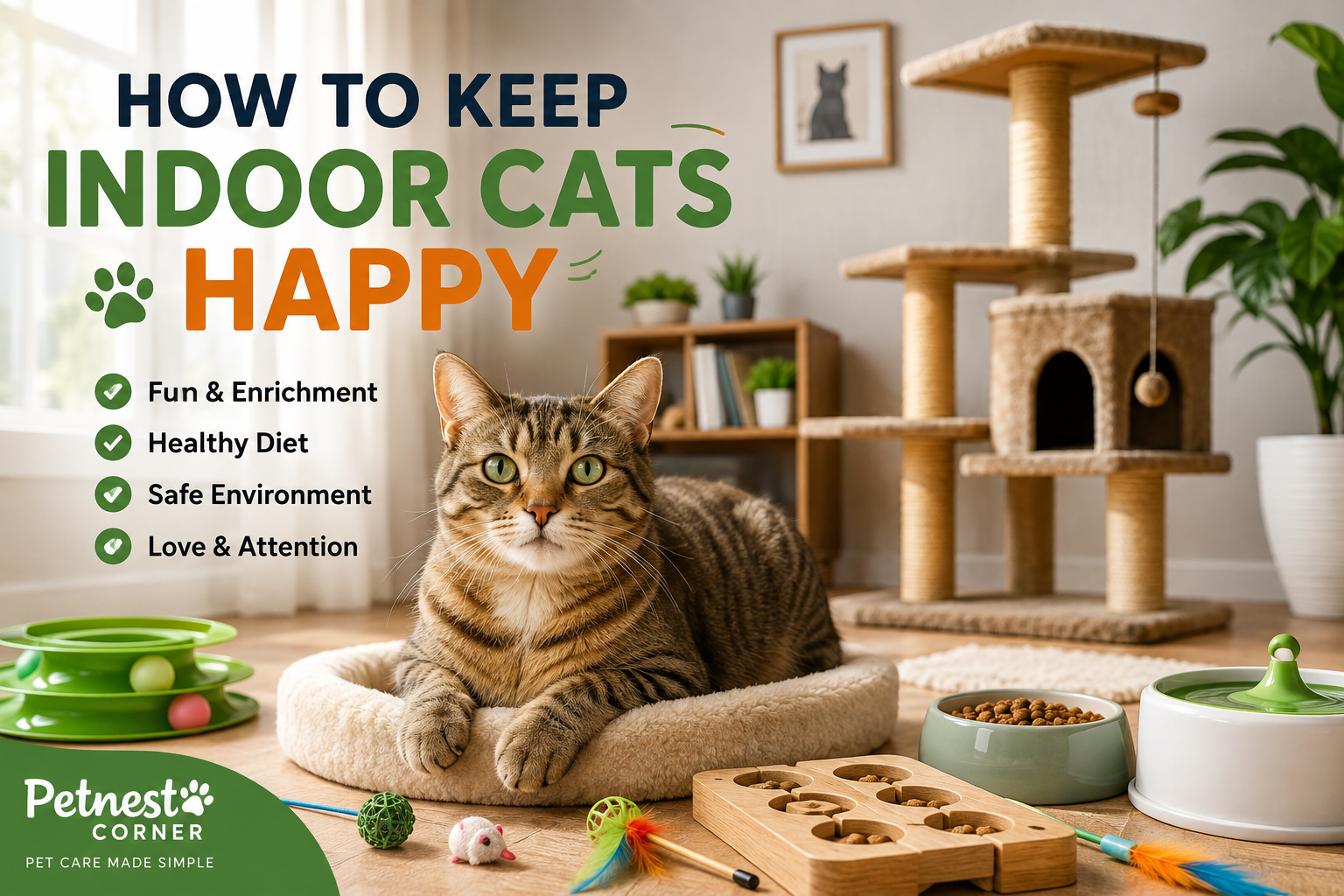
How to Keep Indoor Cats Happy
If you’ve ever caught your cat staring wistfully out the window at a bird, a leaf, or seemingly nothing at all, you’ve probably wondered: is my indoor cat actually happy? It’s one of the most common worries among cat parents, and it’s a fair one. Cats are natural hunters and explorers, and a life spent entirely indoors can look, at first glance, a little limited.
The good news is that indoor cats can live extremely happy, enriched, and fulfilling lives — often longer and healthier ones than their outdoor counterparts. The key isn’t whether your cat goes outside. It’s whether their indoor world gives them enough to do, explore, chase, climb, and rest in. That’s what this guide is all about.
Quick answer: To keep an indoor cat happy, provide daily interactive play, vertical spaces like cat trees and window perches, puzzle feeders for mental stimulation, multiple resting spots, a clean litter box, fresh water, and consistent one-on-one bonding time. Enrichment, not square footage, is what determines a cat’s happiness indoors.
Whether you’re a brand-new cat owner, a longtime pet parent looking to level up your cat’s environment, or someone considering adopting an indoor cat for the first time, this guide walks through everything you need to know — backed by practical, real-world advice you can start using today.
Why Indoor Cats Need Extra Enrichment
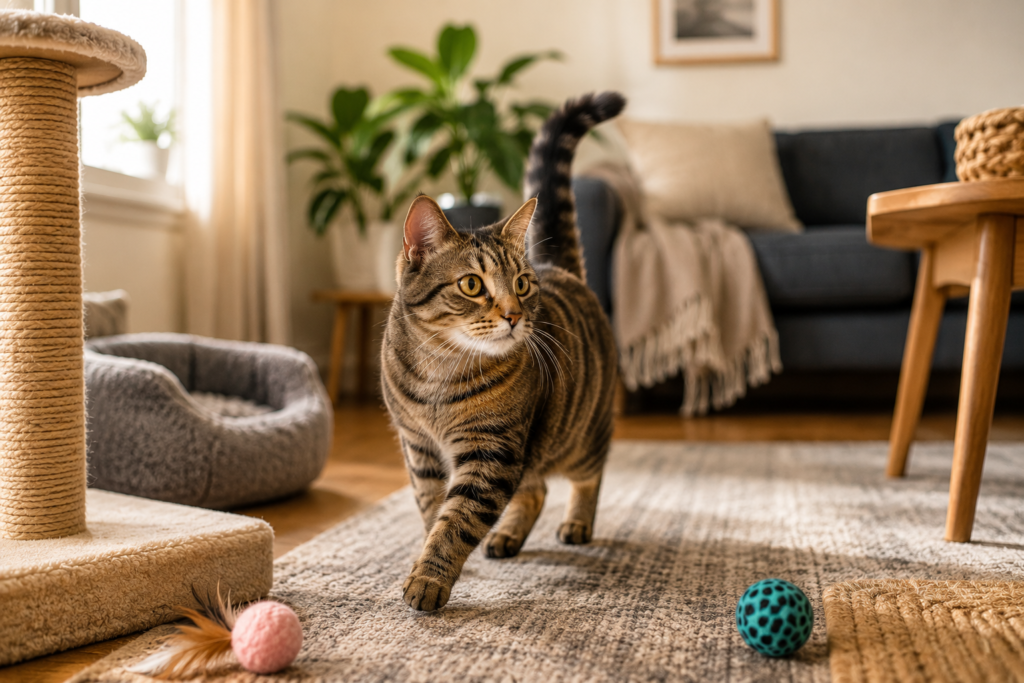
In the wild, a cat’s day is packed with activity. They stalk prey, climb trees, mark territory, hide from threats, and cover long distances searching for food. An indoor cat doesn’t have access to any of that unless we deliberately build it into their environment.
This is where enrichment comes in. Enrichment simply means giving your cat opportunities to express natural behaviors — hunting, climbing, scratching, exploring, and resting in safe, elevated spots — inside the home. Without it, even a well-fed, well-loved cat can become bored, anxious, or overweight.
Think of enrichment less as a luxury and more as a basic need, similar to food and water. A cat with plenty of outlets for their instincts is far less likely to develop behavior problems like furniture scratching, aggression, or excessive meowing.
Benefits of Keeping Cats Indoors
Before diving into enrichment strategies, it’s worth understanding why so many veterinarians and shelters recommend an indoor lifestyle in the first place.
- Longer lifespan — Indoor cats are shielded from traffic, predators, and fights with other animals, all of which are leading causes of injury and early death in outdoor cats.
- Reduced disease exposure — Staying indoors lowers the risk of contracting parasites and contagious illnesses from other animals.
- Safety from environmental hazards — No exposure to toxic substances, extreme weather, or busy roads.
- Protection of local wildlife — Cats are skilled hunters, and keeping them indoors helps protect birds and small animals in your area.
- Easier health monitoring — You’ll notice changes in appetite, litter box habits, or behavior much faster when your cat is always nearby.
None of these benefits come at the cost of happiness — as long as you’re intentional about their daily environment.
Signs Your Indoor Cat Is Happy
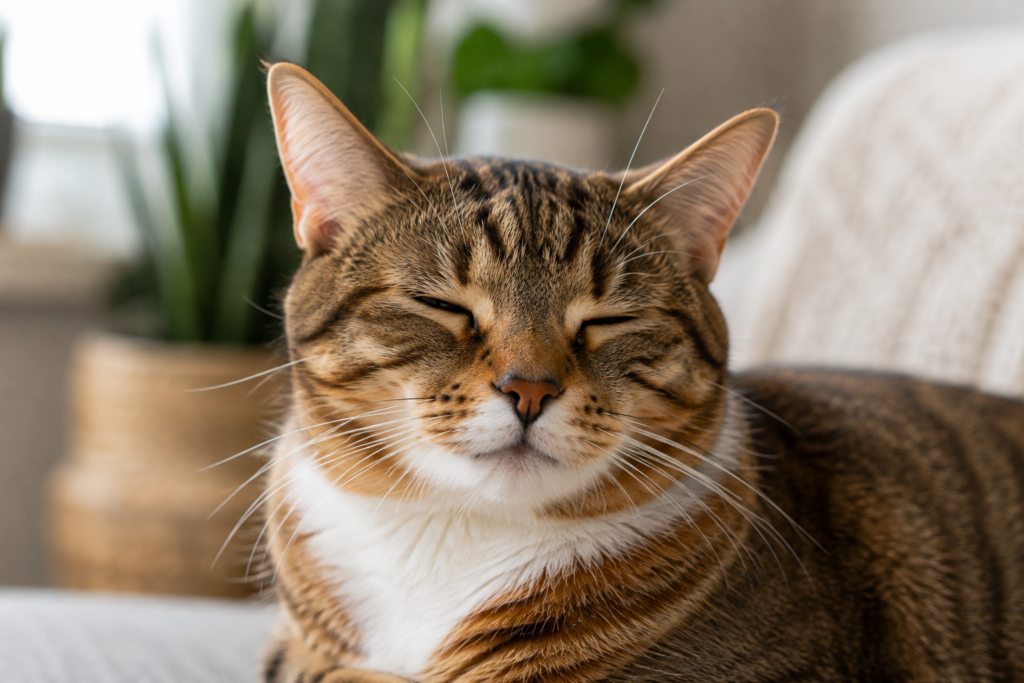
A content cat communicates it in small, everyday ways. Look for:
- Relaxed body posture, with a loosely curled tail
- Slow blinking when making eye contact with you (often called “cat kisses”)
- Regular grooming habits
- A healthy appetite and steady weight
- Playful bursts of energy followed by contented rest
- Kneading blankets or your lap
- Sleeping in open, exposed positions rather than tightly curled and hidden
- Greeting you at the door or seeking out your company
If most of these describe your cat, you’re likely doing a great job already.
Signs Your Indoor Cat Is Bored
On the flip side, boredom and stress often show up as behavior “problems,” even though they’re really communication.
| Sign | What It Might Mean |
|---|---|
| Excessive meowing or yowling | Seeking attention or stimulation |
| Scratching furniture | Needs an outlet for natural scratching behavior |
| Overgrooming or bald patches | Possible stress or anxiety |
| Sudden aggression or biting | Pent-up energy or overstimulation |
| Sleeping excessively (more than usual) | Lack of engagement or mental stimulation |
| Knocking items off shelves | Seeking attention or entertainment |
| Litter box avoidance | Stress, or a litter box issue worth investigating |
If you notice several of these at once, it’s worth increasing enrichment — and if problems persist, a veterinary checkup can rule out underlying medical causes.
Daily Exercise Ideas
Cats don’t need a daily walk like dogs do, but they do need regular movement. Aim for at least two 10–15 minute play sessions per day.
- Wand toys — Mimic the movement of prey and encourage jumping, pouncing, and stalking.
- Laser pointers — Great for bursts of energy, but always end the session with a physical toy your cat can “catch” so they get a sense of accomplishment.
- Ball tracks and rolling toys — Perfect for solo play when you’re busy.
- Feather teasers — Especially good for cats who love high jumps.
A simple rule: if your cat is play-hunting, chasing, and pouncing daily, they’re getting the exercise they need.
Interactive Toys
Interactive toys keep your cat’s mind and body engaged, especially when you can’t be actively playing with them.
- Motion-activated toys that mimic scurrying prey
- Treat-dispensing balls that reward batting and rolling
- Feather wands for supervised play
- Crinkle toys that appeal to a cat’s curiosity and hearing
Rotate toys every week or two. Cats, like people, can lose interest in the same object over time — bringing an “old” toy back after a break often reignites their interest.
Puzzle Feeders
Puzzle feeders turn mealtime into mental exercise. Instead of eating from a bowl in seconds, your cat has to work — batting, nudging, or sliding pieces — to access their food.
Benefits include:
- Slower eating, which supports digestion
- Reduced boredom-related overeating
- Mental stimulation that mimics natural foraging behavior
- A great option for food-motivated cats who need extra activity
Start with an easy puzzle feeder and gradually increase difficulty as your cat gets the hang of it.
Cat Trees
A quality cat tree is one of the best investments you can make for an indoor cat. It offers:
- A safe, elevated vantage point (cats feel more secure when they can survey a room from above)
- A dedicated scratching surface
- A cozy resting spot away from foot traffic
- An outlet for climbing behavior
Place the cat tree near a window if possible — this combines vertical space with outdoor viewing, a favorite pastime for most cats.
Window Perches
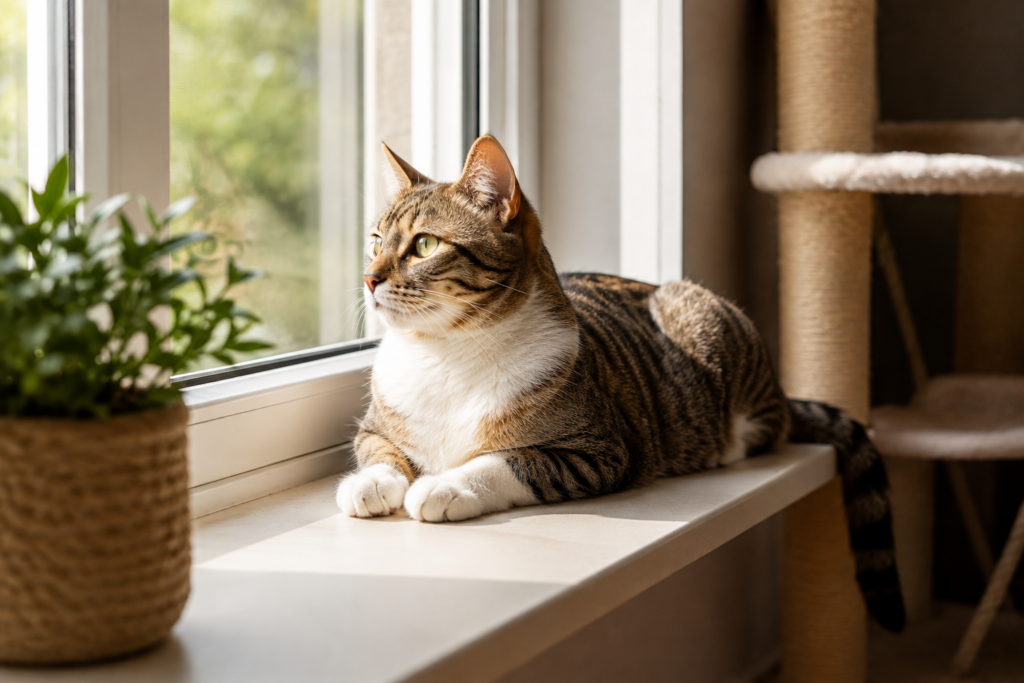
Speaking of windows, a dedicated perch gives your cat front-row access to the outside world: birds, squirrels, falling leaves, passing cars. This is sometimes called “cat TV,” and it’s a simple but powerful form of enrichment.
Choose a sturdy, well-secured perch, and rotate which window your cat has access to throughout the day if you have multiple options.
Scratching Posts
Scratching isn’t just about claw maintenance — it’s a natural stress-relief behavior and a way cats mark territory. Without an appropriate outlet, that instinct turns toward your furniture.
Tips for success:
- Offer both vertical and horizontal scratching surfaces
- Place posts near resting areas and entryways
- Use sisal rope or cardboard, which most cats prefer over carpet
- Replace worn-down posts to keep them appealing
A well-placed, sturdy scratching post can save your couch and give your cat a satisfying daily outlet.
Play Schedule
Consistency matters more than duration. Cats thrive on routine, and predictable play sessions help reduce anxiety and destructive behavior.
A simple daily structure might look like:
- Morning: 10-minute wand toy session before breakfast
- Midday: Independent play with puzzle feeders or toys
- Evening: Another active play session before dinner
- Night: Calm bonding time, like brushing or lap time
This mirrors a cat’s natural hunt-eat-groom-sleep cycle, which many behaviorists point to as ideal for indoor cats.
Mental Stimulation
Beyond physical toys, cats benefit from novelty and problem-solving opportunities.
- Rotate toys regularly to keep things fresh
- Introduce cardboard boxes or paper bags (with handles removed for safety) for exploration
- Try clicker training — many cats can learn simple commands or tricks
- Offer cat-safe puzzle games or treat mazes
A mentally engaged cat is typically a calmer, happier cat.
Safe Plants
Bringing greenery into a cat-friendly home requires some care, since many common houseplants are toxic to cats. Safe options include:
- Cat grass (grown specifically for cats to nibble)
- Spider plants
- Areca palms
- Boston ferns
Always double-check any new plant against an updated pet-safe plant list before bringing it home, and keep toxic plants like lilies, pothos, and philodendrons completely out of reach — or out of the house entirely.
Multiple Resting Areas
Cats can sleep 12–16 hours a day, and having a variety of comfortable spots supports both physical comfort and a sense of security.
Offer resting spots that vary in:
- Height (floor level, mid-height, and elevated)
- Light exposure (sunny spots and quiet, dim corners)
- Texture (soft beds, blankets, and enclosed hideaways)
Having options lets your cat choose based on mood, temperature, and time of day.
Water and Nutrition
Proper hydration and nutrition are foundational to a happy, healthy indoor cat.
- Place multiple water bowls or a pet fountain around the home — cats often prefer moving water
- Keep water bowls away from food and litter boxes
- Feed a balanced diet appropriate for your cat’s age, weight, and activity level
- Avoid free-feeding dry food all day, which can contribute to weight gain in less active indoor cats
- Consult your veterinarian about the right feeding schedule and portion sizes for your individual cat
Litter Box Tips
A clean, accessible litter box setup directly affects your cat’s comfort and stress levels.
- Follow the general rule of one litter box per cat, plus one extra
- Scoop daily and do a full litter change regularly
- Choose an unscented litter, since many cats are sensitive to strong fragrances
- Place boxes in quiet, low-traffic areas — never right next to food or water
- Avoid sudden changes in litter type or box location, which can cause stress or avoidance
Creating Vertical Space
Cats naturally seek height for safety and observation. Maximizing vertical space is one of the most effective ways to expand your cat’s usable “territory” without needing more floor space.
Ideas include:
- Wall-mounted shelves designed for climbing
- Multi-tier cat trees
- Access to the top of sturdy furniture
- Cat-safe stairs leading to a favorite window or shelf
This is especially valuable in smaller apartments, where vertical space can make a home feel far larger from a cat’s perspective.
Reducing Stress
Cats are sensitive to changes in their environment. Common stressors include new pets, moving furniture, loud noises, or changes in routine.
To help reduce stress:
- Maintain a predictable daily routine
- Introduce changes gradually
- Provide hiding spots where your cat can retreat and feel safe
- Use pheromone diffusers if recommended by your veterinarian
- Avoid punishment-based training, which increases anxiety rather than resolving behavior issues
A low-stress environment supports better physical health too, since chronic stress in cats has been linked to issues like overgrooming and urinary problems.
Bonding Activities
Beyond physical care, emotional connection matters. Ways to strengthen your bond include:
- Gentle brushing sessions, which many cats find soothing
- Talking to your cat in a calm, familiar tone
- Respecting their preferred amount of physical affection
- Sitting quietly nearby while they explore or rest
- Learning your individual cat’s specific likes and boundaries
Every cat is different — some are lap cats, others prefer companionship from a short distance. Following your cat’s lead builds trust over time.
Mistakes to Avoid
- Relying on one toy or one type of enrichment. Variety keeps things engaging.
- Skipping daily interactive play in favor of only independent toys.
- Punishing natural behaviors like scratching instead of redirecting them.
- Overfeeding to compensate for guilt about limited outdoor access.
- Ignoring subtle stress signals until they become bigger behavior problems.
- Keeping the litter box in a high-traffic or hard-to-reach area.
- Making sudden environmental changes without an adjustment period.
Expert Tips
- Schedule regular veterinary checkups, even if your cat seems perfectly healthy — indoor cats can still develop age-related or weight-related issues.
- Weigh your cat periodically at home or during vet visits to catch gradual weight changes early.
- Keep an eye on litter box habits, since changes are often the first sign of a health issue.
- Introduce new enrichment items gradually rather than overwhelming your cat all at once.
- If you’re away from home for long stretches, consider a cat-safe camera or automated feeder to maintain routine.
Frequently Asked Questions
1. How do I keep my indoor cat happy? Provide daily interactive play, vertical space like cat trees or perches, puzzle feeders, multiple resting spots, a clean litter box, and consistent bonding time. A predictable routine also goes a long way toward feline contentment.
2. Do indoor cats get bored? Yes, indoor cats can get bored without enough physical and mental stimulation. Boredom often shows up as destructive scratching, excessive meowing, or overeating, which is why daily enrichment is so important.
3. How much playtime does an indoor cat need? Most cats benefit from at least two 10–15 minute active play sessions per day, plus access to independent toys throughout the day for additional stimulation.
4. What toys do indoor cats like best? Wand toys, treat-dispensing puzzles, crinkle toys, and motion-activated toys tend to be favorites, since they mimic natural hunting behavior. Rotating toys regularly keeps interest high.
5. Is it cruel to keep a cat indoors? No — when paired with proper enrichment, an indoor lifestyle is widely recommended by veterinarians because it protects cats from traffic, predators, disease, and other outdoor hazards while still allowing a full, engaged life.
6. How can I tell if my cat is happy? Signs of a happy cat include relaxed body language, slow blinking, a healthy appetite, regular grooming, playful energy, and comfortable sleeping positions in open areas of the home.
7. How do I entertain a cat while I’m at work all day? Puzzle feeders, window perches, rotating toys, and safe cardboard boxes can keep a cat engaged during the day. A consistent morning and evening play routine also helps balance out solo time.
8. What do indoor cats need most to be happy? The essentials are vertical space, daily play, mental stimulation, a clean and accessible litter box, proper nutrition and hydration, and reliable bonding time with their owner.
9. How do I stop my indoor cat from being destructive? Provide appropriate scratching posts, increase daily playtime, and rule out stress or boredom as underlying causes. Persistent destructive behavior is often a sign that a cat’s enrichment needs aren’t fully met.
10. Should I get a second cat to keep my indoor cat company? It depends on your cat’s personality. Some cats thrive with a companion, while others strongly prefer being the only pet. Slow, careful introductions are key if you decide to add a second cat, and consulting your veterinarian or a behaviorist beforehand can help predict compatibility.
Conclusion
Keeping an indoor cat happy isn’t about grand gestures — it’s about consistency. A few minutes of dedicated play, a well-placed window perch, a rotating toy collection, and a clean, comfortable environment go a remarkably long way. When you look at happiness through your cat’s eyes, it’s less about square footage and more about opportunities: to climb, hunt, rest, and connect with you.
With the tips in this guide, you’re well-equipped to build an indoor environment where your cat doesn’t just survive — they truly thrive.
Visit( https://petnestcorner.com)



0 Comments