Cat insurance for senior cats: coverage, costs, age limits, and how to choose
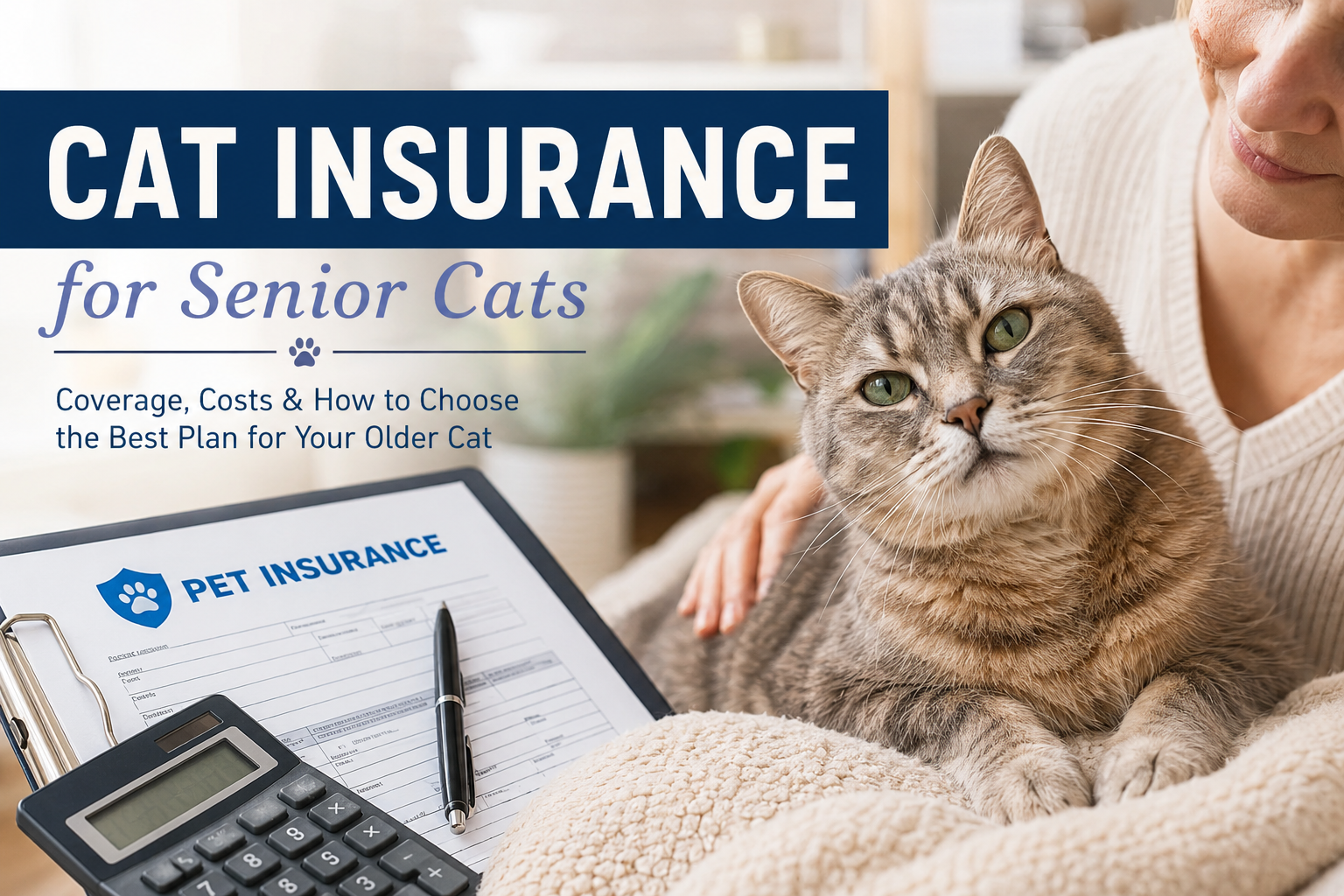
Cat insurance for senior cats

A ten-year-old cat with a clean bill of health and a ten-year-old cat with early kidney values on a recent bloodwork panel are not the same insurance prospect, even though both are technically “senior.” That distinction, health history versus age alone, is what makes insurance for older cats more complicated than insurance for a kitten. Older cats are statistically more likely to develop chronic or age-related conditions, and insurers price and structure their policies accordingly. Most owners don’t just want to know whether coverage exists; they want to know whether it will actually help, and what it won’t cover. This article walks through eligibility, age classifications, pricing factors, coverage types, exclusions, and a practical way to compare policies.

Can you get cat insurance for senior cats?

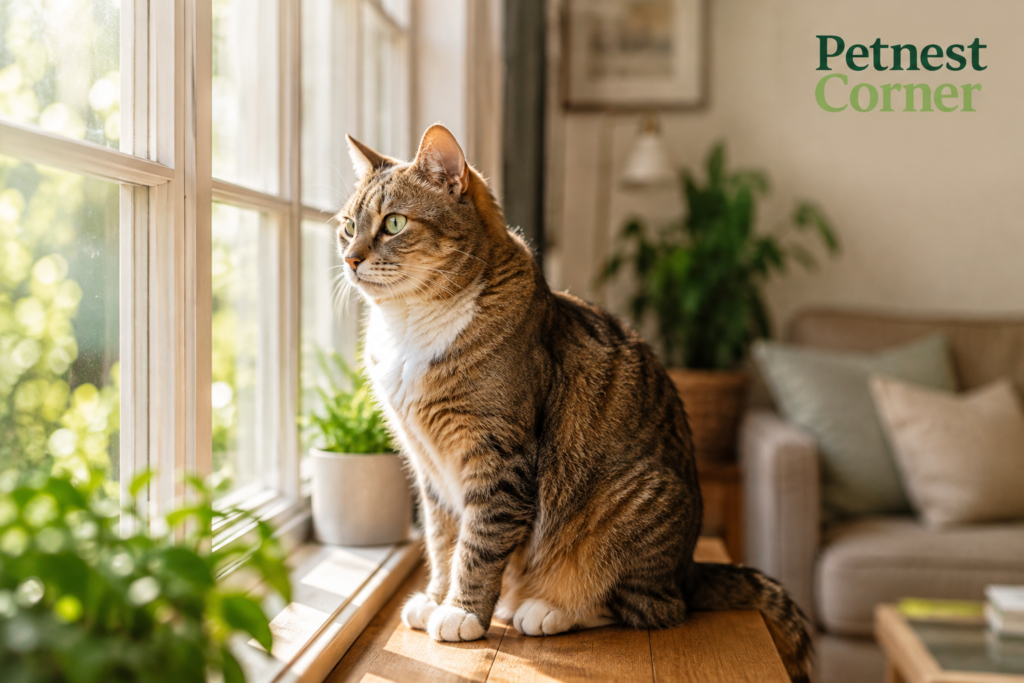
Senior domestic cat sitting calmly by a sunlit window

In most cases, yes. Many insurers will issue new policies to older cats, including cats well into their teens. But eligibility isn’t standardized across the industry. Each company sets its own maximum enrollment age, and that age varies a lot from one provider to another. Some insurers cap new enrollments at a certain age; others accept cats regardless of age but adjust premiums, deductibles, or coverage terms to reflect the added risk.

There’s also a difference between enrolling a senior cat in a new policy and keeping an existing policy active as your cat ages. Many insurers guarantee renewal for cats already enrolled, so a policy purchased when your cat was younger typically continues into their senior years without a new age-based eligibility review. That’s one reason pet insurance advisors suggest enrolling earlier rather than later: not because senior cats can’t get coverage, but because starting a policy before health issues appear avoids pre-existing condition complications later.

Because enrollment rules differ so much by company, the only reliable way to know if your cat qualifies is to request a quote directly and read the insurer’s current age-eligibility terms. Marketing pages generalize; the underwriting guidelines in the actual policy documents are what matter.

What age is considered a senior cat?

All right.

There’s no single age that defines “senior” for cats. Veterinary organizations, insurers, and pet product companies each use somewhat different life-stage frameworks, but most follow a similar general pattern:

  • Adult cats are generally in early-to-mid adulthood, past the kitten and junior stages, with fewer age-related health concerns.
  • Mature cats fall into a middle range where routine wellness monitoring becomes more important, even without obvious signs of aging.
  • Senior cats are typically in their older years, when conditions like kidney disease, dental disease, arthritis, hyperthyroidism, or diabetes become more likely.
  • Geriatric cats are the oldest life stage, often needing closer monitoring and more frequent checkups.

Insurers don’t always match their internal definitions of “senior” to veterinary life-stage charts. One company might apply senior pricing or terms starting at a different age than another. It’s more useful to treat “senior” as a general range than a fixed cutoff, and to check how each insurer defines the term in its own policy documentation.

How does age affect cat insurance?

Age affects nearly every part of a policy, from whether you can enroll to how much you’ll pay.

Premiums tend to rise with age. Older cats statistically file more claims, so insurers price policies to reflect that risk. A policy for a senior cat usually costs more than the same coverage would have when the cat was younger.

Underwriting gets more detailed. Some insurers ask more questions about a cat’s medical history when enrolling an older cat, since prior diagnoses can affect what’s eligible for coverage.

Coverage availability can narrow. Accident coverage is usually available regardless of age, but some insurers restrict or exclude illness coverage for older cats, particularly around conditions that become more common with age.

Deductibles, reimbursement rates, and annual limits can shift. Some insurers offer fewer plan configurations to older cats, or default them toward higher deductibles and lower annual limits to manage cost.

Exclusions become more relevant. An older cat is more likely to already have, or be approaching, a condition that could later be classified as pre-existing, which affects what a policy will actually pay for.

None of this means senior cat insurance is a bad option. It means the terms reflect real actuarial risk, and understanding that risk helps you set realistic expectations before comparing plans.

Coverage varies by policy, but accident-and-illness plans for senior cats can potentially include:

  • Emergency and accident-related treatment
  • Illness-related veterinary care, depending on the condition and policy terms
  • Diagnostic testing, such as bloodwork and urinalysis
  • Imaging, including X-rays, ultrasounds, or advanced diagnostics
  • Surgical procedures
  • Hospitalization and overnight care
  • Prescription medications tied to a covered condition
  • Specialist or referral treatment, such as care from a veterinary internist or oncologist

The word “potential” matters here. Coverage depends on the specific policy, the condition being treated, whether it’s classified as pre-existing, and whether the treatment falls within a waiting period or exclusion. Two policies can use similar marketing language and cover very different things once you read the fine print. Confirm exact terms in the current policy documents rather than assuming coverage from a general description.

What isn’t usually covered?

Common exclusions across the pet insurance industry include:

  • Pre-existing conditions, meaning issues that existed or showed symptoms before the policy’s effective date or during a waiting period
  • Conditions diagnosed during a waiting period, since even accident or illness coverage doesn’t apply until a set waiting period has passed after enrollment
  • Preventive or routine care, since standard accident-and-illness plans often exclude annual exams, vaccinations, and routine bloodwork unless you add a wellness rider
  • Elective procedures not considered medically necessary
  • Certain dental conditions, since dental coverage varies widely; some policies cover dental disease resulting from an accident or illness, while routine cleanings are often excluded or require an add-on
  • Breeding-related care, where applicable
  • Anything specifically named as excluded in the policy’s terms

There’s an important distinction between an exclusion and a waiting period. An exclusion means a condition is permanently not covered under that policy. A waiting period means a condition isn’t covered yet but may become eligible once the waiting period passes, assuming it wasn’t already present or showing symptoms beforehand. Confusing the two can lead to unpleasant surprises at claim time, so read this section of any policy carefully.

Pre-existing conditions and senior cats

This is arguably the most important topic for anyone insuring an older cat, because pre-existing condition rules affect senior cats far more often than younger ones.

Most insurers define a pre-existing condition as any illness or injury that showed signs or symptoms, or was diagnosed, before the policy’s start date or before a waiting period ended. This applies even if the condition was never formally diagnosed; if it shows up in vet records, or the insurer determines symptoms were present, it may still count as pre-existing.

This matters more for older cats because senior cats are more likely to already have some documented health history: a mild thyroid abnormality on a past bloodwork panel, an early arthritis diagnosis, a previous dental issue. If your cat’s medical records show any indication of a condition before you enroll in a new policy, that condition, and sometimes related conditions, may be excluded going forward, even if you didn’t realize it was significant at the time.

That’s why insurers often review a cat’s veterinary records closely during underwriting for older pets. It’s also why an accident-only or accident-and-illness policy purchased for a senior cat won’t necessarily help with a condition that was already brewing before coverage began. A policy covering accidents and new illnesses doesn’t retroactively cover conditions that existed beforehand.

Pre-existing condition definitions differ by insurer. Some distinguish between “curable” and “incurable” pre-existing conditions, with different rules for each. Read this section of any policy in detail, and ask the insurer directly how they’d treat your cat’s specific medical history before you commit.

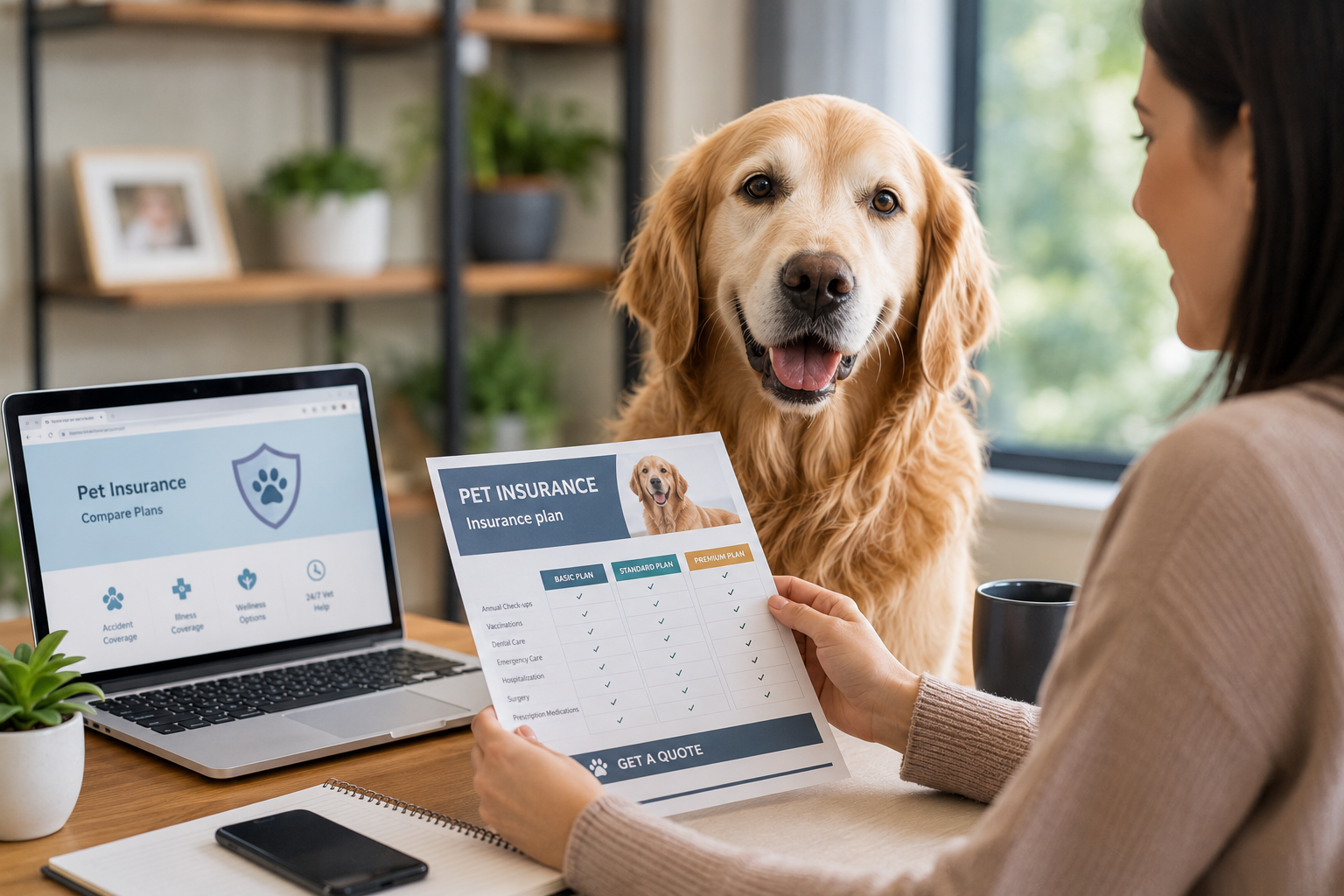
Accident-only vs. accident-and-illness insurance

Most cat insurance falls into one of two categories.

Accident-only coverage is generally limited to injuries from unexpected events: being hit by a car, ingesting a foreign object, an injury from a fall. These plans typically don’t cover illnesses, including age-related conditions like kidney disease or diabetes. Accident-only coverage tends to come with lower premiums, which can appeal to owners on a tighter budget or those who mainly want a safety net for sudden emergencies rather than ongoing illness costs.

Accident-and-illness coverage extends protection to a broader range of health issues, including illnesses that develop over time. For senior cats, who face a higher likelihood of age-related conditions, this type of coverage may be more relevant, since it’s built to address the kinds of health issues that become more common later in life. It costs more than accident-only coverage, reflecting that broader scope.

Neither option is universally better. An accident-only plan might make sense if you have separate savings set aside for illness-related costs but want coverage for sudden, high-cost emergencies. An accident-and-illness plan might make more sense if you’re worried about the cost of managing an ongoing condition. The right choice depends on your cat’s health status, your finances, and how much risk you’re comfortable carrying yourself.

How much does cat insurance for senior cats cost?

Pricing depends on so many variables, and changes often based on market conditions, location, and each insurer’s own pricing model, that this article won’t invent dollar figures. Here are the main factors that influence what you’ll pay:

  • Age: older cats generally cost more to insure
  • Breed: some breeds are statistically prone to certain conditions, which affects pricing
  • Location: veterinary costs vary by region, and premiums tend to reflect local care costs
  • Coverage type: accident-only plans typically cost less than accident-and-illness plans
  • Deductible: higher deductibles usually lower the premium, and vice versa
  • Reimbursement percentage: plans that reimburse more of the vet bill generally cost more
  • Annual coverage limit: higher limits typically mean higher premiums
  • Insurer: pricing models differ between companies
  • Medical history: a cat with an extensive history of prior conditions may see different pricing or terms than one with a clean record
  • Optional wellness coverage: add-ons for routine care raise the overall premium

Because these factors interact, the only accurate way to know what senior cat insurance will cost for your cat is to request quotes using its actual age, breed, location, and health information.

How to compare insurance for an older cat

Rather than comparing policies by price alone, work through this list for each option you’re considering:

  • Maximum enrollment age: confirm your cat qualifies under the insurer’s current rules
  • Pre-existing condition definition: read exactly how the insurer defines and handles this
  • Waiting periods: check how long you must wait before accident and illness coverage kicks in
  • Deductible: is it an annual deductible or a per-condition deductible?
  • Reimbursement rate: confirm the percentage of eligible vet bills actually reimbursed
  • Annual or lifetime limits: is there a payout cap, and how does it reset?
  • Coverage exclusions: look for breed-specific or age-specific ones
  • Diagnostic coverage: confirm whether bloodwork, imaging, and lab testing are included
  • Prescription coverage: check whether medications tied to a covered condition are reimbursed
  • Dental coverage: clarify what’s included versus what requires an add-on
  • Claim process: how are claims submitted, and how long does processing typically take?
  • Premium increases: ask how premiums typically change at renewal, especially as your cat ages further
  • Renewal terms: is coverage guaranteed to renew, and under what conditions?

Working through this list for two or three insurers side by side tends to reveal more meaningful differences than comparing headline premium prices alone.

Is pet insurance worth it for a senior cat?

There’s no single answer that fits every owner, and any article that claims insurance is automatically worth it for every senior cat is oversimplifying a personal financial decision.

Insurance may offer real value if you have limited savings set aside for unexpected veterinary costs, if your cat has a relatively clean health history that hasn’t triggered pre-existing condition exclusions yet, or if you’d struggle to cover a large, unexpected vet bill without financial strain.

On the other hand, self-funding, setting aside your own savings for veterinary costs, might make more sense if your cat already has multiple pre-existing conditions that would limit what a new policy would actually cover, if you already have substantial savings earmarked for pet care, or if the premium for your cat’s age and health profile is high relative to the coverage you’d realistically use.

The decision comes down to your budget, your cat’s age and health history, your existing savings, your risk tolerance, and the coverage terms actually available to you. It’s worth comparing potential premium costs against what you could realistically set aside in a dedicated savings fund before deciding either way.

Tips for finding the best insurance for senior cats

  • Compare at least two or three policies rather than accepting the first quote
  • Read the full list of exclusions, not just the coverage highlights
  • Confirm your cat meets the insurer’s age requirements for new enrollment
  • Study the pre-existing condition definition closely, especially if your cat has any medical history
  • Compare deductible structures across insurers, not just the dollar amount
  • Check the reimbursement percentage and how it applies to your cat’s likely future claims
  • Review annual and lifetime payout limits
  • Understand waiting periods for both accidents and illnesses
  • Ask directly whether dental care is included or requires a separate add-on
  • Review the insurer’s renewal terms and typical premium increase patterns
  • Give accurate information about your cat’s age, breed, and health history when requesting quotes; inaccurate information can affect future claims

Frequently asked questions

Can you insure a 10-year-old cat? Many insurers accept new enrollments for cats around this age, though maximum enrollment ages vary by company. Check directly with individual providers.

Is it harder to insure an older cat? Not necessarily harder, but the process often involves more detailed underwriting, closer review of medical history, and potentially higher premiums or more limited coverage options than insuring a younger cat.

Does pet insurance cover pre-existing conditions? Generally, no. Most policies exclude conditions that showed symptoms or were diagnosed before the policy’s start date or during a waiting period. Some insurers distinguish between curable and incurable pre-existing conditions, so check the specific policy language.

Does senior cat insurance cost more? Typically, yes. Premiums tend to rise with age because older cats statistically file more claims. Exact pricing depends on the insurer, coverage level, and your cat’s individual profile.

Can senior cats get accident-only insurance? Yes, and it tends to cost less than accident-and-illness coverage, though it won’t cover age-related illnesses.

Is dental care covered for senior cats? It depends on the policy. Some plans cover dental treatment resulting from an accident or illness, while routine cleanings often require a separate wellness add-on or aren’t covered at all.

What should I compare before buying senior cat insurance? Enrollment age limits, pre-existing condition definitions, waiting periods, deductibles, reimbursement rates, annual limits, exclusions, and renewal terms.

Is insurance worth it for an older cat? It depends on your cat’s health history, your savings, your budget, and the coverage terms available. It can offer real financial protection for some owners, while self-funding may make more sense for others, particularly if a cat already has several pre-existing conditions.

Senior cats often still have real insurance options, but eligibility, pricing, and coverage terms shift with age. The details that matter most, like how an insurer defines pre-existing conditions, what waiting periods apply, and what’s actually excluded, deserve more attention than the headline premium. Rather than choosing the cheapest available policy, compare enrollment requirements, coverage terms, and exclusions across a few insurers, and confirm the specifics directly in each provider’s current policy documents.

(Visit: https://petnestcorner.com/)

(Read More Article)

Leave a Comment

Your email address will not be published. Required fields are marked *

Scroll to Top