Can Cats Eat Watermelon? Complete Safety Guide
Can Cats Eat Watermelon?
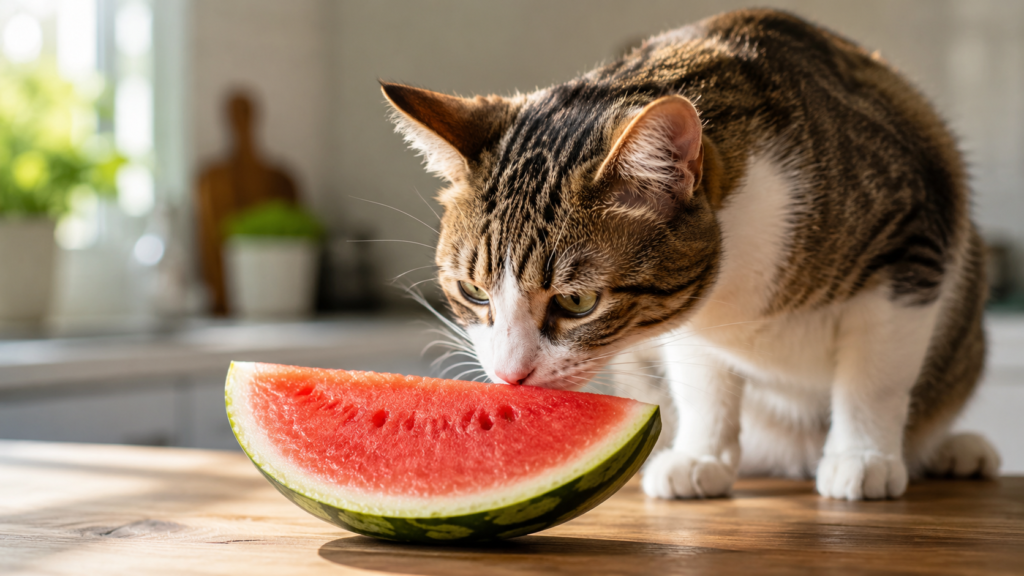
If you’re standing in your kitchen with a juicy slice of watermelon in one hand and a curious cat circling your ankles, you’re probably wondering: can cats eat watermelon? The short answer is yes, cats can eat watermelon in small amounts, as long as it’s fresh, seedless, and served without the rind. It’s not toxic, and many cats enjoy the cool, watery crunch on a hot afternoon.
That said, “safe” doesn’t mean “unlimited.” Watermelon should stay an occasional treat, not a regular part of your cat’s diet. In this guide, we’ll walk through the nutrition, the benefits, the risks, and exactly how to serve it so your cat stays happy and healthy.
Quick Answer
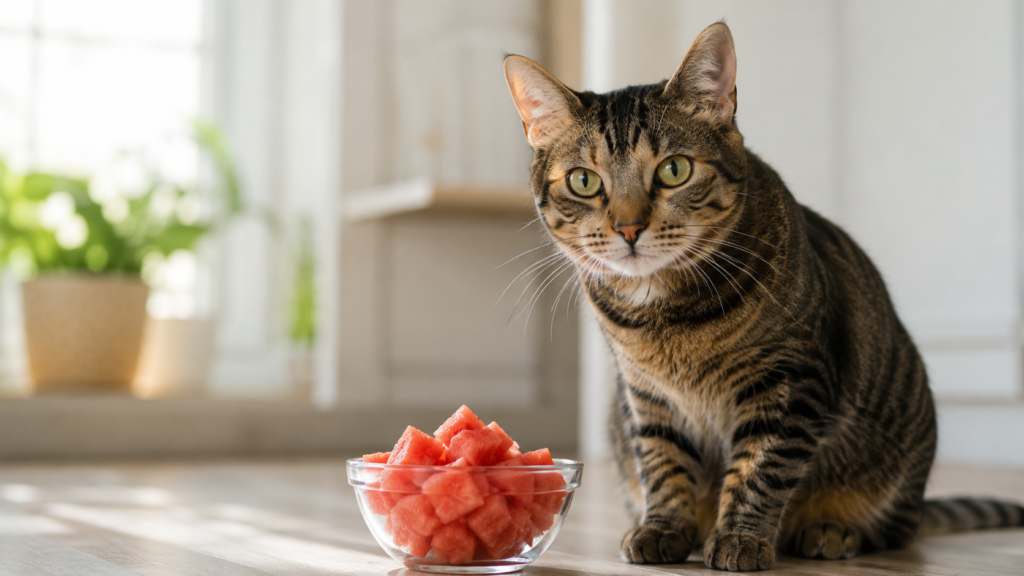
Yes, cats can eat watermelon. Fresh, seedless watermelon flesh is safe for most healthy adult cats in small, occasional portions. However, watermelon seeds and rind should always be avoided, since they can cause digestive blockages or stomach upset. Watermelon should never replace your cat’s regular, balanced diet.
Is Watermelon Safe for Cats?
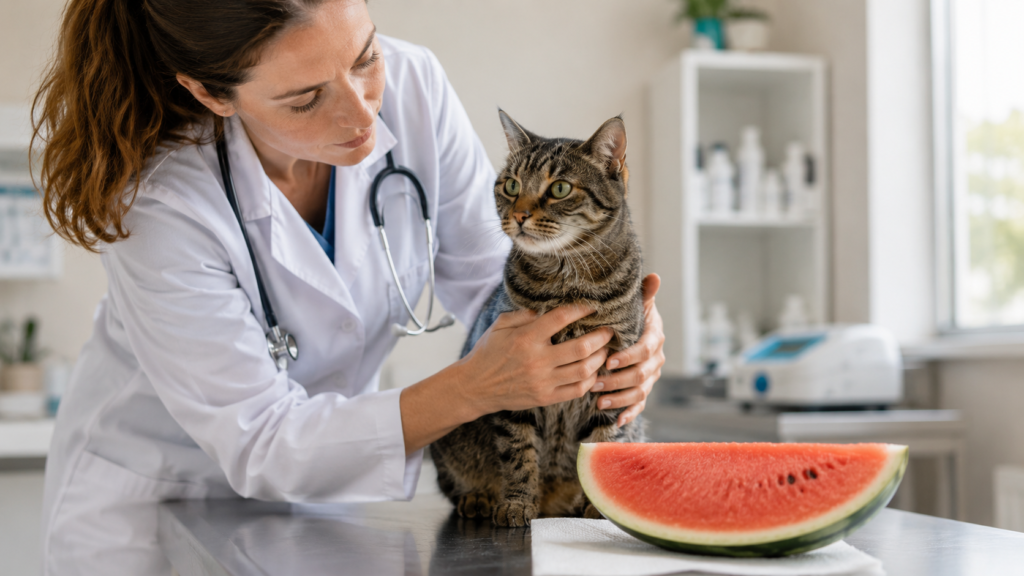
Watermelon is generally considered a safe fruit for cats when it’s prepared correctly. It isn’t on the ASPCA’s toxic plant list, and it doesn’t contain any compounds that are dangerous to feline health in normal quantities.
Still, cats are obligate carnivores. Their bodies are built to process meat, not fruit. So while watermelon won’t poison your cat, it also isn’t something their digestive system truly needs. A few bites now and then is fine for most cats; a bowlful is not.
Before offering any new food, it’s worth remembering that every cat is different. Some cats have sensitive stomachs, while others can handle new foods without any trouble at all. Introducing watermelon slowly helps you see how your own cat reacts.
Nutritional Benefits of Watermelon
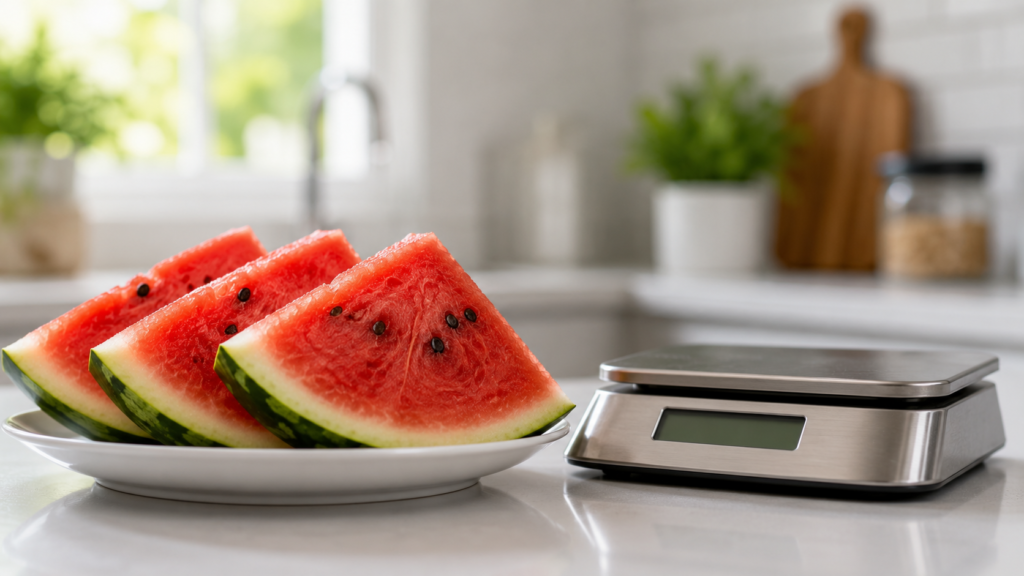
Watermelon is made up of roughly 92% water, which makes it a refreshing snack, especially in warmer months. Beyond hydration, it also contains a handful of vitamins and nutrients that offer mild benefits when fed occasionally.
Nutrition Table (Per 100g of Watermelon Flesh)
| Nutrient | Amount | Benefit for Cats |
|---|---|---|
| Water | 92% | Supports hydration |
| Vitamin C | 8.1 mg | Supports immune health |
| Vitamin A | 28 mcg | Supports eye and skin health |
| Fiber | 0.4 g | Aids digestion in small amounts |
| Sugar | 6.2 g | Provides quick energy, but should be limited |
| Calories | 30 kcal | Low-calorie treat option |
These nutrients are helpful additions, but they’re not essential. Cats already get vitamin A and vitamin C through their regular cat food, since commercial diets are formulated to meet feline nutritional needs.
Is Watermelon Good for Cats?
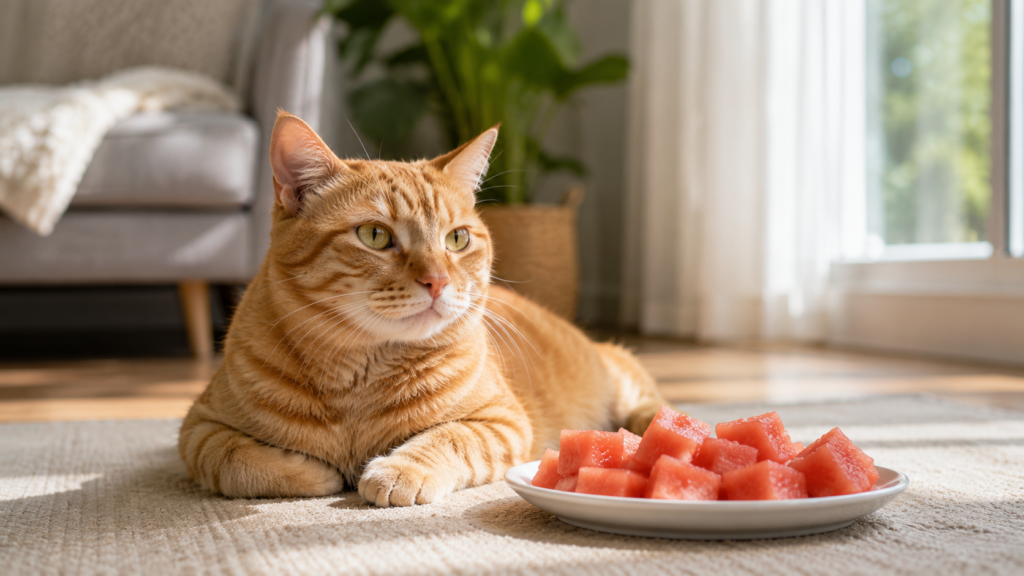
Watermelon isn’t harmful, but calling it “good” depends on context. For a cat that’s already eating a complete, balanced diet, watermelon offers little nutritional necessity. It’s more of a fun, hydrating treat than a health requirement.
However, it can be genuinely useful in specific situations:
- Hot weather hydration — the high water content can help cats who don’t drink much water.
- Low-calorie treat swap — it’s a lighter alternative to processed cat treats.
- Mental stimulation — trying new textures and flavors can enrich a cat’s day.
The key is moderation. A teaspoon-sized piece here and there is good. A daily habit is not necessary and could contribute to unwanted sugar intake over time.
Health Benefits of Watermelon for Cats
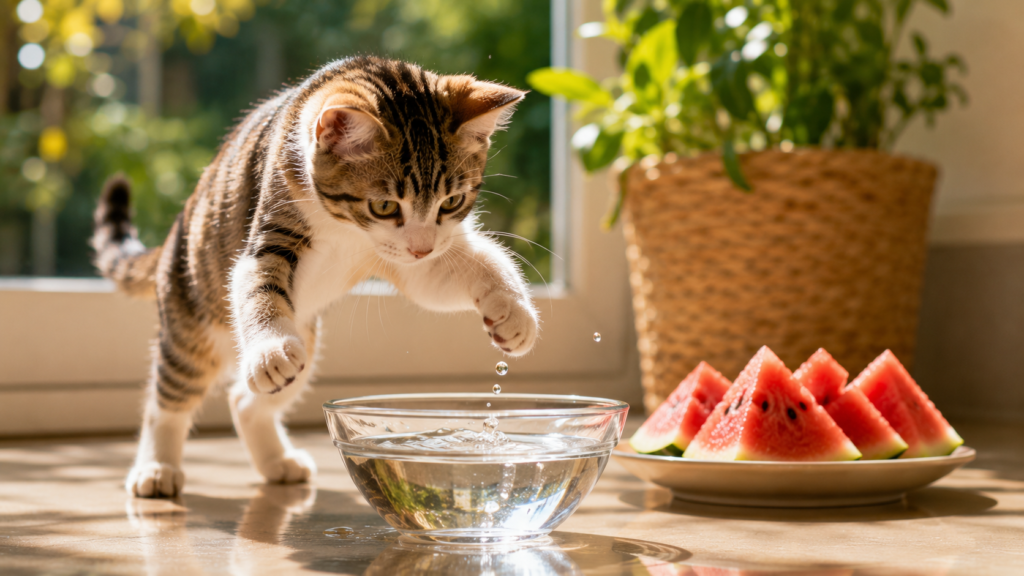
When fed correctly, watermelon can offer a few practical perks for your cat’s day-to-day wellbeing.
- Hydration support – Cats are notorious for not drinking enough water, and watermelon’s water content can offer a small boost.
- Low-calorie snack option – Compared to many store-bought treats, watermelon is lower in calories and fat.
- Antioxidant content – Vitamin C acts as a mild antioxidant, supporting overall immune function.
- Fun enrichment – New textures and cool temperatures can be engaging for curious cats.
- Weight-conscious treat – For cats on a diet, watermelon is a lighter option than many commercial treats.
These benefits are modest, but they explain why so many cat owners like to offer a small piece as an occasional summer snack.
Risks of Feeding Watermelon to Cats
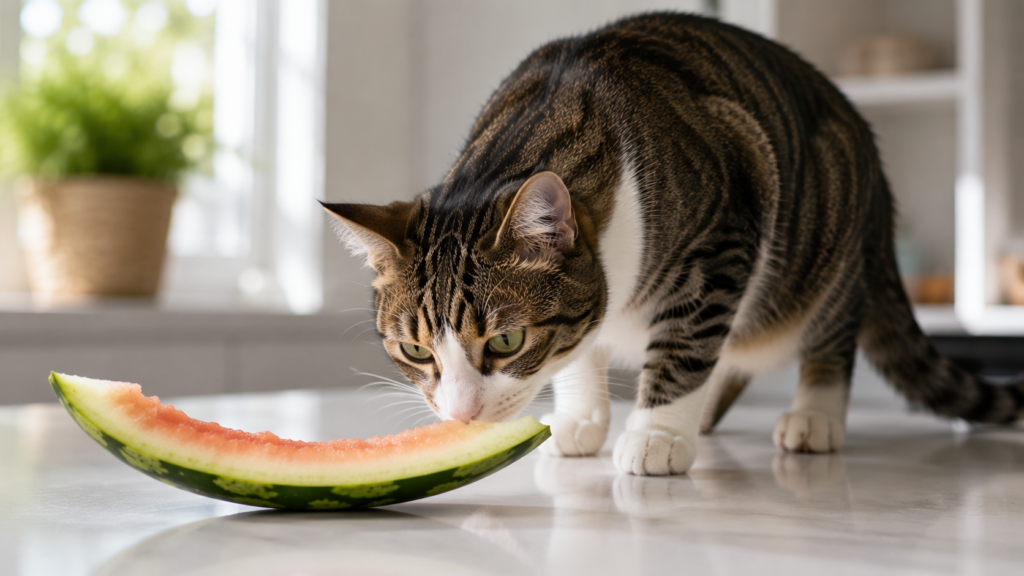
Even though watermelon is generally safe, there are real risks if it’s fed incorrectly or in large amounts.
- Digestive upset – Too much watermelon can cause diarrhea or vomiting due to its sugar and fiber content.
- Choking hazard – Large chunks or seeds can pose a choking risk, especially for kittens.
- Blood sugar concerns – Cats with diabetes should avoid watermelon because of its natural sugar content.
- Intestinal blockage – Swallowed seeds or tough rind pieces can potentially block the intestines in rare cases.
- Allergic-type reactions – Though uncommon, some cats may show sensitivity, such as itching or mild stomach discomfort.
If your cat has any pre-existing health conditions, it’s always best to check with your veterinarian before introducing watermelon or any new food.
Can Cats Eat Watermelon Seeds?
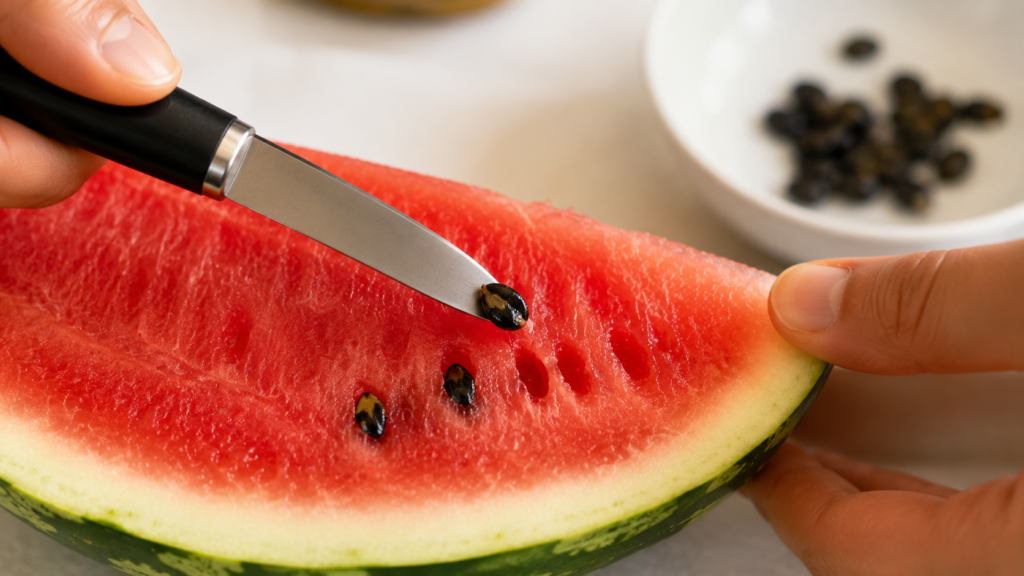
No, cats should not eat watermelon seeds. Watermelon seeds are hard, difficult to digest, and can pose a choking or blockage risk, particularly in smaller cats and kittens.
While a single accidentally swallowed seed likely won’t cause serious harm, a larger quantity could lead to gastrointestinal blockage, which sometimes requires veterinary treatment. Seedless watermelon is the safest choice, or you can carefully remove all seeds before serving.
Can Cats Eat Watermelon Rind?
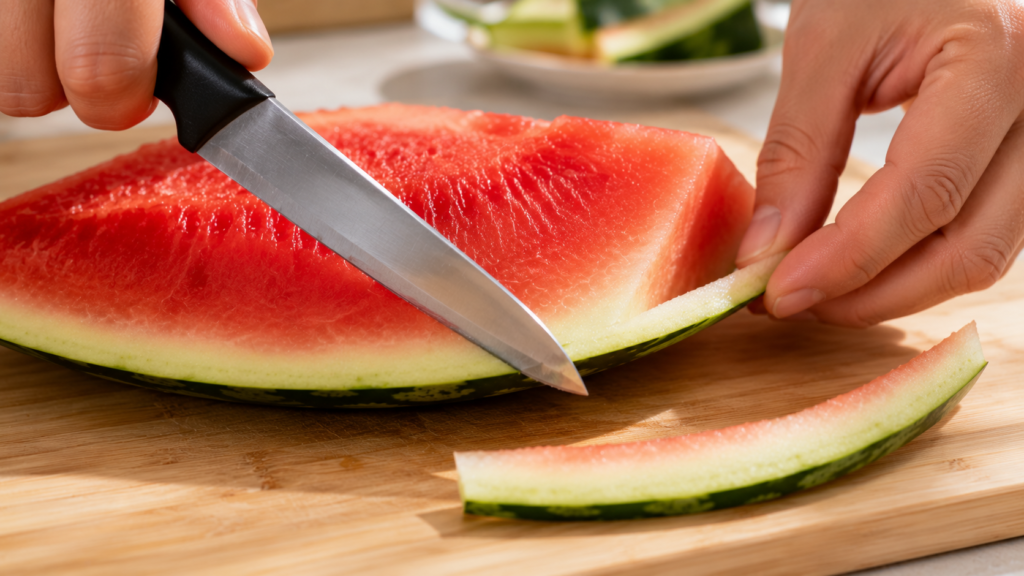
No, the rind is not recommended for cats. Watermelon rind is tough, fibrous, and hard for a cat’s digestive system to break down.
Feeding rind can lead to:
- Stomach upset
- Vomiting
- Diarrhea
- Choking, especially in kittens or senior cats with weaker teeth
Always cut away the green rind and the white layer underneath, offering only the soft, ripe, red or pink flesh.
Can Kittens Eat Watermelon?
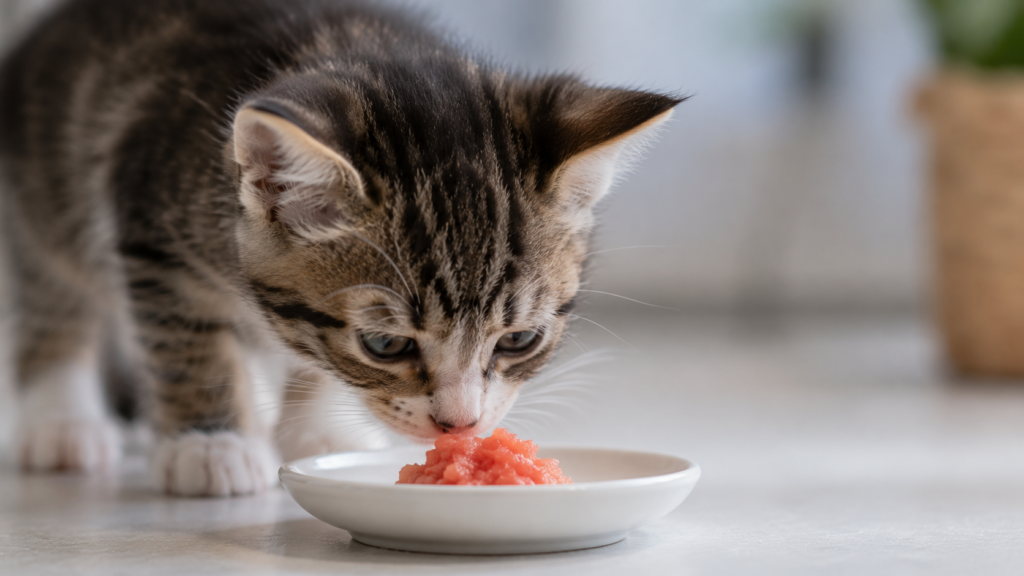
Kittens can technically try a tiny taste of watermelon flesh, but it’s generally better to wait until they’re fully weaned and eating solid kitten food consistently, usually around 8 to 12 weeks old.
Kittens have smaller stomachs and more sensitive digestive systems than adult cats. Their nutritional needs are also much higher in protein and fat to support rapid growth, so treats like watermelon should make up an even smaller portion of their diet than they would for an adult cat.
If you do offer watermelon to a kitten, use a tiny, mashed piece and watch closely for any signs of digestive upset.
How Much Watermelon Can Cats Eat?
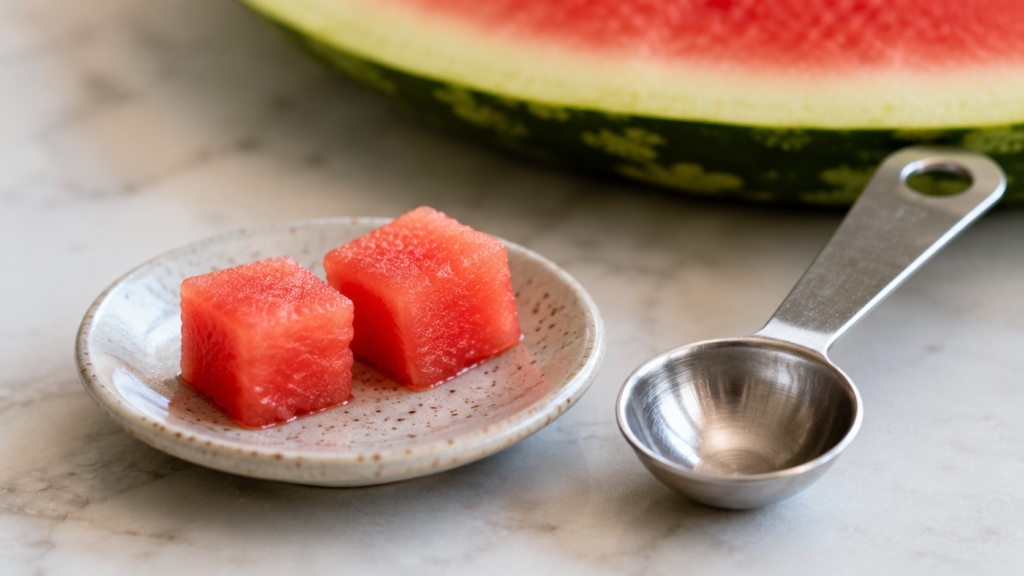
Portion size matters more than most owners expect. Cats are small animals, and even a “little” human snack can be a large amount relative to their body size.
Feeding Checklist
- ✔ Offer no more than 1–2 small cubes per serving
- ✔ Limit watermelon to once or twice a week
- ✔ Always remove seeds and rind first
- ✔ Serve fresh, never spoiled or overripe
- ✔ Watch your cat after the first taste
- ✔ Avoid watermelon entirely for diabetic cats
For most healthy adult cats, a piece about the size of a fingertip is plenty. There’s no nutritional need to give more, and doing so raises the risk of an upset stomach.
How to Safely Feed Watermelon to Cats (Step-by-Step)
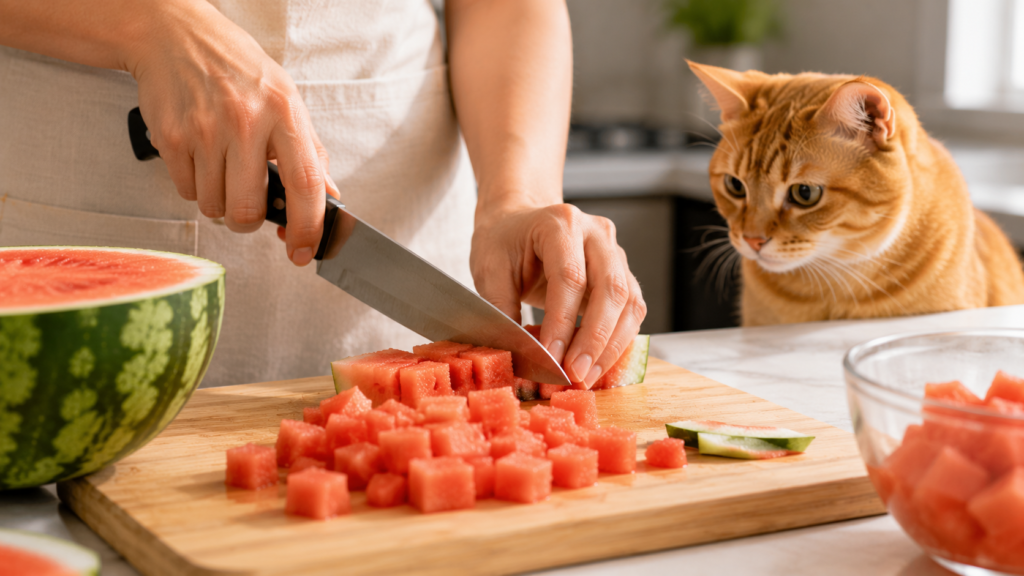
Follow these simple steps to serve watermelon the right way.
- Choose ripe, fresh watermelon — avoid any that looks overripe or fermented.
- Wash the outside of the watermelon before cutting.
- Remove all seeds completely, even from seedless varieties, since small white seeds can still appear.
- Cut away the rind, leaving only the soft flesh.
- Dice into small, bite-sized cubes suited to your cat’s size.
- Offer one small piece first to test tolerance.
- Wait 24 hours to check for any digestive reaction.
- Store leftovers in the fridge and discard after two days.
This slow, careful approach helps you introduce watermelon safely, especially for first-time tasters.
Signs Your Cat Ate Too Much Watermelon
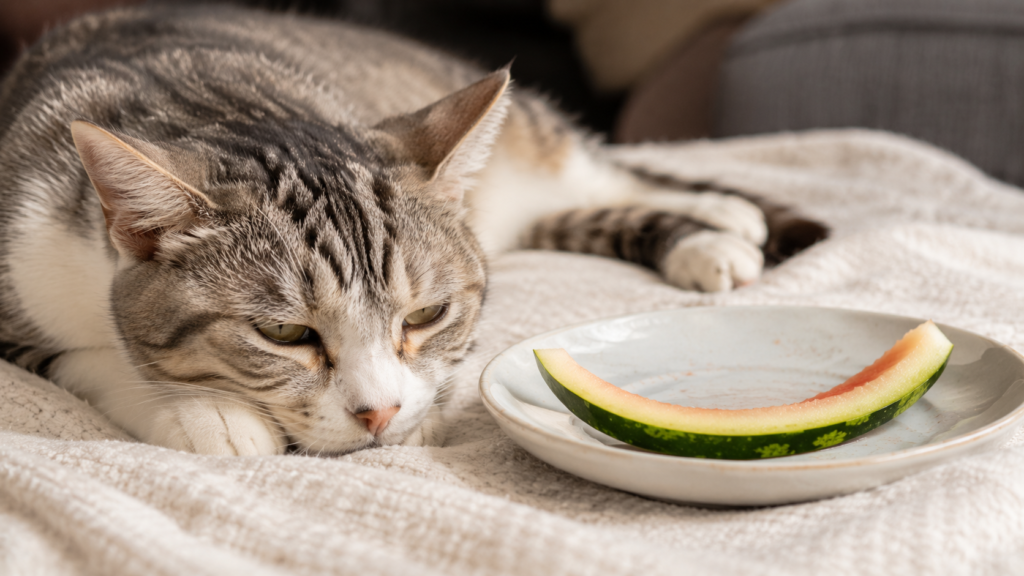
If your cat overindulges, watch for these symptoms over the next 12 to 24 hours:
- Vomiting
- Diarrhea or loose stool
- Lethargy or low energy
- Reduced appetite
- Bloating or a visibly upset stomach
- Excessive thirst or urination (in rare, sugar-sensitive cases)
Mild symptoms often resolve on their own within a day. However, if symptoms persist, worsen, or your cat seems unusually unwell, contact your veterinarian promptly.
What To Do If Your Cat Eats Watermelon Seeds or Rind

Don’t panic if your cat accidentally swallows a seed or a small rind piece. Here’s what to do:
- Stay calm and monitor your cat closely.
- Check for choking symptoms immediately, such as gagging or difficulty breathing.
- Watch litter box habits over the next 24–48 hours for signs of blockage, like straining or no bowel movement.
- Look for vomiting or loss of appetite, which can indicate digestive distress.
- Call your vet if you notice repeated vomiting, bloating, or your cat seems to be in pain.
- Avoid inducing vomiting yourself unless a veterinarian specifically instructs you to.
A single small seed rarely causes a major issue, but rind pieces or several seeds together warrant closer attention.
Fruits Cats Can Safely Eat
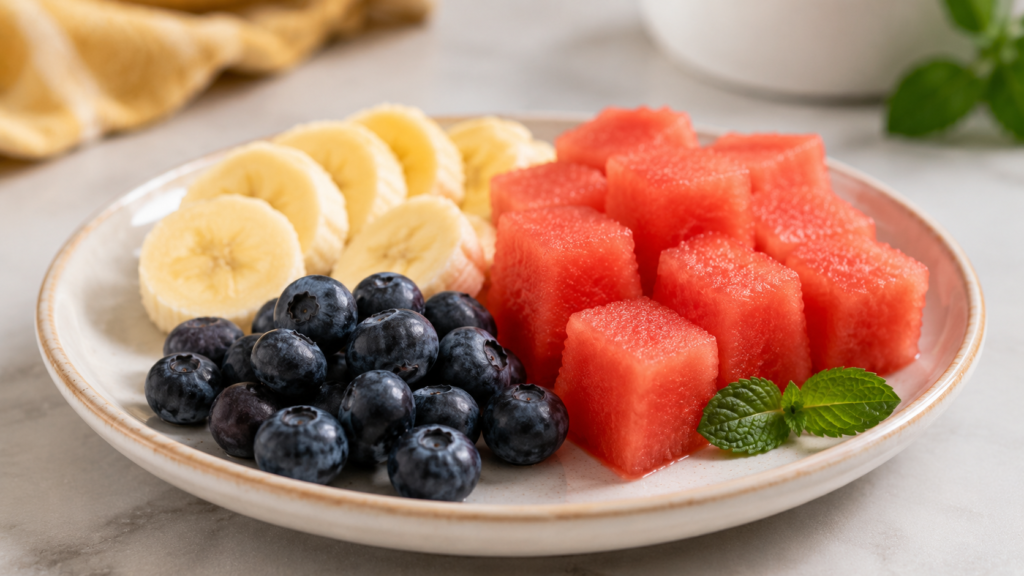
Watermelon isn’t the only fruit that’s fine in moderation. Here are other safe fruits for cats: If your cat has recently gone off food altogether, our guide on why your cat isn’t eating can help you figure out next steps.
- Blueberries
- Bananas (small amounts)
- Cantaloupe
- Apples (peeled, seedless)
- Strawberries
- Pumpkin (plain, cooked)
- Pears (seedless)
As with watermelon, always serve these fresh, in small portions, and without seeds, pits, or skins that could cause harm.
Fruits Cats Should Never Eat

Some fruits are genuinely toxic foods for cats and should never be offered, even in small amounts.
| Fruit | Why It’s Dangerous |
|---|---|
| Grapes & Raisins | Linked to kidney damage in cats |
| Citrus fruits | Can cause stomach upset and skin irritation |
| Cherries | Pits contain cyanide compounds |
| Avocado | Contains persin, toxic in large amounts |
| Green tomatoes | Contains solanine, which is toxic |
If you’re ever unsure whether a food is safe, it’s always best to check with a trusted source like your veterinarian before feeding it.
Pros and Cons Table
| Pros | Cons |
|---|---|
| High water content supports hydration | High sugar content in large amounts |
| Low in calories and fat | Seeds pose a choking/blockage risk |
| Contains vitamin A and C | Rind is hard to digest |
| Cats often enjoy the cool texture | Not suitable for diabetic cats |
| Easy, affordable summer treat | Should never replace balanced meals |
Comparison Table: Watermelon vs Other Common Cat Treats
| Treat | Water Content | Sugar Level | Safety Level |
|---|---|---|---|
| Watermelon (seedless flesh) | Very High | Moderate | Safe in small amounts |
| Cantaloupe | High | Moderate | Safe in small amounts |
| Commercial cat treats | Low | Varies | Depends on brand/ingredients |
| Cooked chicken | Low | None | Safe and protein-rich |
| Grapes | High | High | Unsafe – toxic to cats |
Do’s and Don’ts Table
| Do’s | Don’ts |
|---|---|
| Do remove all seeds first | Don’t feed watermelon rind |
| Do serve small, diced pieces | Don’t offer large chunks or slices |
| Do introduce slowly | Don’t make it a daily habit |
| Do watch for reactions | Don’t feed to diabetic cats without vet advice |
| Do store leftovers properly | Don’t offer spoiled or fermented watermelon |
Are Cats Allergic to Watermelon?
True watermelon allergies in cats are rare, but not impossible. Some cats may show mild sensitivity, including itching, digestive discomfort, or unusual grooming behavior after eating something new.
If you notice any unusual symptoms after your cat’s first taste of watermelon, stop feeding it and monitor closely. Persistent symptoms should always be discussed with a veterinarian.
Expert Tips
- Introduce watermelon in tiny amounts to gauge tolerance.
- Always remove seeds, even from “seedless” varieties.
- Freeze small watermelon cubes for a cooling summer treat.
- Pair with your cat’s regular feeding schedule, not as a meal replacement.
- Avoid flavored, sweetened, or watermelon-based human snacks like candy or juice.
Common Mistakes
- Feeding rind because it “looks harmless”
- Assuming more fruit means more health benefits
- Offering watermelon daily instead of occasionally
- Ignoring existing health conditions like diabetes
- Not monitoring litter box habits after a new food
General Guidance
Occasional, seedless watermelon flesh is widely considered safe for healthy cats, but it should never exceed a small percentage of their overall diet. Cats thrive on animal-based protein, and treats — fruit included — should stay a minor part of daily intake, generally following the widely recommended 90/10 rule, where treats make up no more than 10% of daily calories.
Safety Tips
- Always supervise your cat’s first few tastes of any new food.
- Keep watermelon slices out of reach to prevent uncontrolled snacking.
- Refrigerate cut watermelon and discard it after two days.
- Consult your vet before feeding watermelon to cats with diabetes, kidney issues, or digestive conditions.

Frequently Asked Questions
1. Can cats eat watermelon every day? No, watermelon should only be an occasional treat, not a daily addition to your cat’s diet.
2. Can cats eat watermelon seeds safely if swallowed accidentally? A single seed rarely causes harm, but multiple seeds can raise the risk of digestive blockage. Monitor your cat closely afterward.
3. Is watermelon good for cats with kidney issues? Cats with kidney conditions should only have watermelon under veterinary guidance, since diet plays a major role in kidney health.
4. Can kittens eat watermelon rind? No, kittens should never eat rind. It’s too tough for their developing digestive systems.
5. Does watermelon help cats stay hydrated? Yes, its high water content can offer mild hydration support, though it shouldn’t replace fresh drinking water.
6. Can cats eat watermelon if they are overweight? Small amounts are generally fine, but portion control matters even more for overweight cats due to sugar content.
7. What’s the best way to serve watermelon to a cat? Diced, seedless, rind-free cubes served fresh in small quantities are the safest option.
8. Can cats eat watermelon juice? It’s best to avoid watermelon juice, especially store-bought versions, since they often contain added sugars not suitable for cats.



1 Comment
Why Is My Cat Not Eating? Complete Vet-Backed Guide · September 5, 2026 at 13:23
[…] cats reject new food: (For safe treat ideas while your cat regains appetite, see our guide on can cats eat watermelon.)Cats develop preferences based on early experiences and repeated exposure. A sudden switch […]