Why Is My Cat Not Eating? Complete Guide
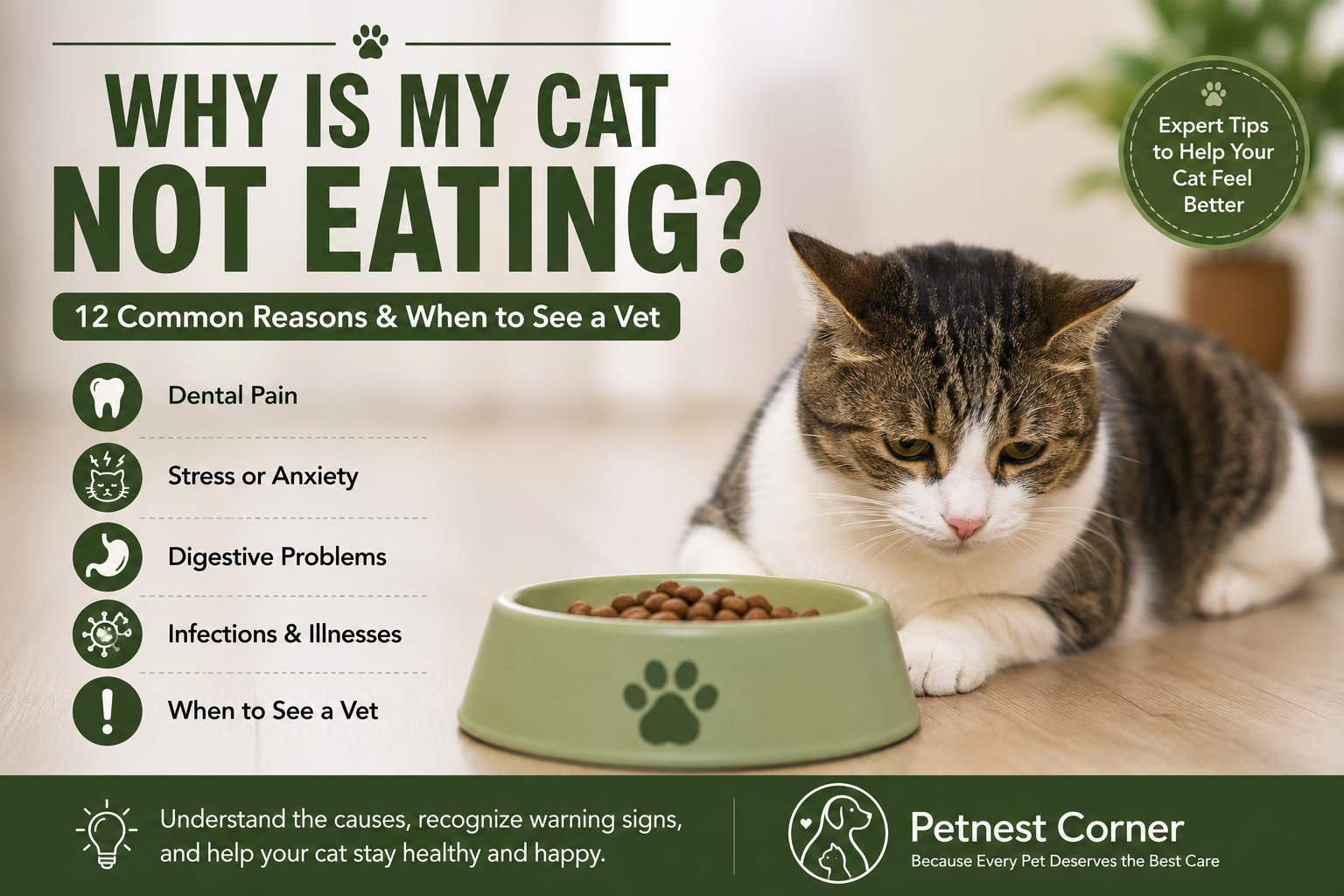

Why Is My Cat Not Eating? Complete Guide to Causes and Next Steps
When your beloved cat turns away from their food bowl, it’s natural to feel concerned. Loss of appetite in cats isn’t something to ignore, and understanding why your cat isn’t eating is the first step toward getting them the help they need. A cat’s eating habits tell us a lot about their overall health, and changes in appetite can signal anything from minor stress to serious medical conditions. Whether your cat is refusing meals completely or just picking at their food, this comprehensive guide will help you understand the causes, recognize warning signs, and know when it’s time to visit your veterinarian.
Quick Answer
Why is my cat not eating? Common reasons include dental pain, stress, recent vaccinations, food changes, hairballs, digestive issues, infections, and serious conditions like kidney disease, liver disease, hyperthyroidism, cancer, or foreign object blockages. Loss of appetite lasting more than 24 hours warrants veterinary attention. Multiple factors may contribute to appetite loss, making professional diagnosis essential for proper treatment and your cat’s wellbeing.
| Situation | Urgency | What To Do |
|---|---|---|
| Skipped 1 meal, otherwise normal | Low | Monitor, offer food again in a few hours |
| Not eating 24+ hours, still drinking | Moderate | Call your vet for guidance |
| Not eating AND not drinking | High | Contact vet/emergency clinic same day |
| Vomiting, lethargy, or blood present | Emergency | Seek immediate veterinary care |
| Kitten not eating 6+ hours | Emergency | Seek immediate veterinary care (hypoglycemia risk) |
Why Is My Cat Not Eating?
Your cat’s appetite is directly connected to their physical and emotional well-being. When cats stop eating or significantly reduce food intake, their bodies don’t function properly. Unlike some animals that can go longer without food, cats have unique metabolic needs that make consistent nutrition crucial for survival.
Understanding the relationship between appetite and health helps you respond appropriately when your cat skips meals. Cats communicate through behavior, and refusal to eat is their way of telling you something is wrong. The key is determining whether the problem is behavioral, environmental, or medical in nature.
Many factors influence whether your cat eats regularly. Some are temporary and easily resolved, while others require professional veterinary intervention. By learning about these causes, you’ll be better equipped to help your furry friend.
12 Common Reasons Your Cat Isn’t Eating
1. Dental Pain and Tooth Disease
Dental disease is one of the most overlooked reasons cats stop eating. When your cat has painful teeth, gums, or jaw problems, eating becomes an uncomfortable experience they’ll naturally avoid. Cats with dental issues may approach their food bowl out of hunger but then back away because chewing hurts too much.
Symptoms of dental problems include:
- Bad breath that’s noticeably worse than normal
- Drooling more than usual
- Pawing at the mouth or face
- Swollen face or jaw
- Preferring softer foods over hard kibble
- Behavioral changes like irritability or hiding
What causes dental disease in cats:
Plaque and tartar buildup on teeth is the primary culprit. Without regular dental care, bacteria accumulate, leading to gum inflammation, tooth decay, and eventual tooth loss. Older cats and those with certain health conditions face higher risks of developing dental problems.
Treatment and prevention:
Your veterinarian can perform a professional cleaning under anesthesia to remove buildup and address any diseased teeth. Regular dental check-ups catch problems early. At home, brushing your cat’s teeth several times weekly reduces plaque formation significantly. Special dental diets and water additives designed for cat dental health also help prevent future issues.
2. Stress and Anxiety
Cats are creatures of habit who thrive on routine and predictability. Changes in their environment, new pets in the home, loud noises, or even rearranged furniture can trigger stress that suppresses appetite. Stress affects your cat’s digestive system and overall willingness to engage in normal activities like eating.
Common stress triggers include:
- Moving to a new home
- Adding a new pet or family member
- Loud construction or household noise
- Changes in your schedule or routine
- Visits from unfamiliar people
- Boarding or hospitalization
How stress affects eating:
When stressed, cats produce higher cortisol levels that interfere with hunger signals. Their stomach becomes sensitive, making even favorite foods unappealing. Some cats also hide when anxious, reducing time spent in areas where they normally eat.
Helping your stressed cat:
Create a safe space with familiar items, toys, and hiding spots. Maintain your normal feeding schedule and routine as much as possible. Calming pheromone diffusers (Feliway) can reduce anxiety naturally. Allow your cat extra time to adjust to changes without pressure. If stress persists, consult your veterinarian about additional support options.
3. Recent Vaccination
Vaccines are crucial for protecting your cat’s health, but they sometimes cause temporary side effects including appetite loss. Most cats experience mild reactions lasting only a day or two after vaccination. This is actually a sign their immune system is working properly.
What happens after vaccination:
Your cat’s body produces antibodies to fight potential diseases. This immune response can cause mild fatigue, soreness at the injection site, and temporarily reduced appetite. Kittens receiving their vaccination series are particularly prone to these mild side effects.
When it’s concerning:
While slight appetite reduction is normal, complete refusal to eat for more than 24 hours after vaccination warrants a call to your vet. Severe reactions like vomiting, diarrhea, difficulty breathing, or facial swelling require immediate emergency care.
Supporting your cat post-vaccination:
Offer soft, palatable foods your cat enjoys. Keep fresh water readily available. Minimize stress and handling beyond gentle observation. Most cats resume normal eating within 24-48 hours without intervention.
4. Sudden Change in Food
Cats can be finicky eaters with strong preferences for specific flavors, textures, and brands they’ve grown accustomed to. When you switch their food abruptly, they may refuse to eat the new option entirely, even if it’s nutritionally superior.
Why cats reject new food: (For safe treat ideas while your cat regains appetite, see our guide on can cats eat watermelon.)
Cats develop preferences based on early experiences and repeated exposure. A sudden switch confuses their palate and can also upset their digestive system, making them associate the new food with discomfort. Some cats also experience texture preferences—they might refuse dry kibble if switched from canned food.
Signs of food-related appetite loss:
- Investigating the bowl but not eating
- Eating only parts of the meal
- Increased pickiness with other foods
- Vomiting or diarrhea when new food is introduced
Making food transitions work:
Never switch cat food overnight. Gradual transitions over 7-10 days work best. Start by mixing 75% old food with 25% new food for the first few days. Then adjust the ratio gradually until you reach 100% new food. This slow approach gives their digestive system time to adjust and their brain time to accept the new flavor.
5. Hairballs and Grooming Issues
Cats spend considerable time grooming themselves, and loose hair inevitably gets swallowed. This ingested fur accumulates in the stomach and occasionally forms hairballs that block the digestive tract or cause discomfort. Cats dealing with hairballs often lose their appetite because their stomach feels full or uncomfortable.
Hairball symptoms:
- Hacking or gagging sounds
- Retching without producing a hairball
- Constipation or difficulty defecating
- Decreased appetite
- Lethargy or unusual behavior
- Occasional vomiting
Cats most prone to hairballs:
Long-haired breeds develop hairballs more frequently than short-haired cats. Cats that groom excessively or live in warm environments with year-round shedding face higher risks. Older cats and those with digestive sensitivities are also vulnerable.
Prevention and treatment:
Regular brushing removes loose fur before cats ingest it. Brushing long-haired cats 3-4 times weekly and short-haired cats 1-2 times weekly makes a real difference. Commercial hairball remedies containing mineral oil or pumpkin fiber help move hair through the digestive system. High-fiber diets specifically formulated to reduce hairballs offer another option. Serious cases blocked by hairballs require veterinary attention.
6. Digestive Problems and Gastrointestinal Issues
Your cat’s digestive system is sensitive and easily disrupted. Food sensitivities, inflammatory bowel disease, gastroenteritis, or other digestive conditions cause discomfort that suppresses appetite. When eating causes pain or nausea, cats naturally avoid food.
Common digestive issues in cats:
- Inflammatory bowel disease (IBD)
- Food allergies or sensitivities
- Gastroenteritis from bacterial or viral infection
- Pancreatitis
- Constipation
- Intestinal parasites
Signs of digestive problems:
- Vomiting (with or without food)
- Diarrhea or soft stools
- Constipation
- Excessive gas or gurgling sounds
- Weight loss
- Lethargy
- Abdominal pain or sensitivity to touch
Getting relief for your cat:
Your veterinarian can diagnose digestive issues through physical examination, bloodwork, and sometimes imaging or endoscopy. Treatment depends on the underlying cause but might include dietary changes, medications to reduce inflammation, antibiotics if infection is present, or parasite treatment. Prescription digestive care diets often help cats with chronic gastrointestinal sensitivities.
7. Infections and Illness
Bacterial, viral, or fungal infections anywhere in your cat’s body trigger systemic illness that reduces appetite. Infections cause fever, malaise, and general discomfort that make eating unappetizing. Common infections affecting cats include upper respiratory infections, urinary tract infections, and skin infections.
Signs of infection:
- Fever (elevated body temperature)
- Lethargy and reduced activity
- Discharge from nose, eyes, or ears
- Difficulty urinating or painful urination
- Coughing or sneezing
- Skin lesions or hair loss
- Swollen lymph nodes
- Vomiting or diarrhea
Bacterial vs viral infections:
Bacterial infections typically respond well to antibiotic treatment, though your vet must identify the specific bacteria first. Viral infections sometimes require supportive care as antibiotics don’t kill viruses. Some viral infections, like feline leukemia or feline immunodeficiency virus, have serious long-term consequences and require specialized management.
Supporting an infected cat:
Veterinary diagnostics like blood tests and urinalysis identify infections accurately. Once diagnosed, prescribed antibiotics or supportive medications address the underlying problem. During recovery, offer favorite foods, ensure adequate water intake, and provide rest in a calm environment.
8. Kidney Disease
Chronic kidney disease affects many cats, especially as they age. Failing kidneys can’t properly filter waste from the blood, leading to toxin accumulation that causes nausea, vomiting, and appetite loss. Early detection and management slow disease progression significantly.
Symptoms of kidney disease:
- Increased water consumption
- Increased urination
- Appetite loss
- Weight loss
- Vomiting
- Lethargy
- Poor coat quality
- Dehydration
Why kidney disease causes appetite loss:
Toxic buildup in the bloodstream creates persistent nausea that makes food unappealing. Kidney disease also affects mineral balance, causing additional discomfort. The combination of nausea and feeling unwell suppresses hunger significantly.
Managing kidney disease:
Kidney disease has no cure, but proper management extends your cat’s quality of life for years. Your veterinarian recommends kidney-specific diets lower in phosphorus and protein. Regular blood pressure monitoring, fluid therapy, and medications that reduce nausea help tremendously. Increased water intake through multiple water sources or water fountains supports kidney function.
9. Liver Disease
The liver processes nutrients, removes toxins, and produces essential substances for digestion. When the liver isn’t functioning properly, your cat experiences significant health problems including severe appetite loss. Liver disease can develop from various causes and sometimes progresses rapidly if untreated.
Symptoms of liver disease:
- Loss of appetite
- Jaundice (yellowing of eyes, ears, or skin)
- Vomiting
- Diarrhea or constipation
- Abdominal distension
- Weight loss
- Lethargy
- Pale or discolored gums
Causes of liver disease:
Liver disease in cats stems from infections, toxins, metabolic disorders, or sometimes unknown causes (idiopathic hepatic lipidosis). Overweight cats are particularly vulnerable to fatty liver disease when they stop eating suddenly.
Treatment approaches:
Your veterinarian performs bloodwork and imaging to assess liver function. Treatment depends on the underlying cause but may include dietary changes to support liver health, medications, fluid therapy, or in some cases, feeding tube placement to ensure adequate nutrition while the liver recovers.
10. Hyperthyroidism
Hyperthyroidism occurs when the thyroid gland produces too much thyroid hormone, accelerating your cat’s metabolism to dangerous levels. This condition is common in older cats and creates numerous health problems, including paradoxically reduced appetite despite increased metabolism.
Symptoms of hyperthyroidism:
- Weight loss despite seemingly normal eating
- Increased appetite alternating with appetite loss
- Excessive thirst and urination
- Hyperactivity or restlessness
- Vomiting or diarrhea
- Rapid heartbeat or heart murmurs
- Irritability or behavioral changes
Why appetite becomes irregular:
Hyperthyroidism causes such severe metabolic disruption that your cat’s body can’t properly regulate hunger signals. Some cats eat voraciously but still lose weight because their bodies burn calories too rapidly. Others experience nausea from the metabolic chaos, reducing appetite.
Treatment options:
Your veterinarian diagnoses hyperthyroidism through blood tests measuring thyroid hormone levels. Treatment options include anti-thyroid medications, radioactive iodine therapy (curative in most cases), or thyroid surgery. With proper treatment, most hyperthyroid cats return to normal appetite and activity levels.
11. Cancer
Cancer in cats can originate in various organs and tissues, affecting appetite through multiple mechanisms. Tumors may directly interfere with swallowing or digestion, or the cancer itself produces substances that cause systemic illness and nausea.
Symptoms of cancer:
- Loss of appetite
- Weight loss
- Lethargy and reduced activity
- Abdominal swelling or lumps
- Difficulty swallowing
- Vomiting or diarrhea
- Bad breath
- Difficulty breathing or coughing
- Behavioral changes
Why cancer suppresses appetite:
Tumors interfere with normal body functions and cause inflammation. Cancer cells also produce compounds that trigger nausea and early fullness sensations. Additionally, the stress of being unwell naturally reduces hunger and interest in eating.
Managing cancer in cats:
Diagnosis requires examination, imaging (X-rays or ultrasound), and sometimes biopsies. Treatment options may include surgery, chemotherapy, radiation, or palliative care focused on comfort and quality of life. Early detection significantly improves prognosis for many cancer types.
12. Foreign Object Blockage
Cats sometimes eat objects they shouldn’t—string, yarn, plastic, or other foreign materials. These objects can lodge in the mouth, throat, or digestive tract, creating painful blockages that prevent eating and cause serious complications if not removed.
Signs of foreign object blockage:
- Sudden inability or difficulty eating
- Pawing at the mouth or drooling excessively
- Gagging or choking sounds
- Vomiting
- Abdominal pain or sensitivity
- Constipation or inability to defecate
- Lethargy
- Dehydration
Dangerous items for cats:
String, yarn, rubber bands, hair ties, tinsel, plastic bags, foam, and small toys pose serious risks. Kittens are particularly prone to foreign object ingestion during play. Linear foreign objects are especially dangerous because they can bunch up the intestines as they pass through.
Immediate action required:
Never delay veterinary care if you suspect your cat has swallowed a foreign object. Veterinarians use X-rays or ultrasound to locate blockages. Most require surgical removal. Without prompt treatment, blockages cause severe dehydration, tissue damage, and potentially fatal complications.
Cat Not Eating But Drinking Water
When your cat stops eating but continues drinking water, you’re seeing a specific symptom pattern worth investigating. Some causes of appetite loss don’t affect thirst, making water consumption a useful diagnostic clue.
Cats that eat but drink normally usually have less urgent problems than those refusing both food and water. The normal fluid intake keeps them hydrated while you arrange veterinary care, giving you slightly more time. However, this situation still requires investigation because most medical conditions serious enough to stop eating deserve professional attention.
Increased thirst without appetite loss can indicate kidney disease, diabetes, hyperthyroidism, or urinary tract infections. Your cat’s body is trying to compensate for illness by consuming more water. Monitor your cat’s water intake amount—if it’s significantly increased beyond normal, definitely schedule a veterinary visit soon.
Stress and behavioral appetite loss often spare thirst. A stressed or anxious cat may refuse food but continue drinking normally. Similarly, cats recovering from vaccination or adjusting to food changes might skip meals while maintaining normal water intake. These situations often resolve on their own but warrant monitoring.
Cat Not Eating or Drinking
When your cat refuses both food and water, this represents a more serious situation demanding urgent veterinary attention. Dehydration develops quickly in cats, causing dangerous complications within hours. A cat not eating or drinking is experiencing significant illness or distress.
Reasons cats stop eating and drinking:
Severe infections, organ failure, severe pain, significant stress, or serious digestive blockages cause complete appetite and thirst loss. Cats in this state are clearly unwell and need professional help immediately.
Dangerous progression without treatment:
Dehydration concentrates toxins in your cat’s bloodstream, worsening kidney function and overall health. Without food intake, your cat’s body breaks down muscle tissue rapidly. Combined with dehydration, this creates a medical emergency that can become life-threatening within days.
What to do immediately:
Contact your veterinarian or emergency clinic right now if your cat hasn’t eaten or drunk for more than a few hours. Don’t wait to see if they’ll eat later. Bring your cat in for examination and necessary diagnostics. Your vet may recommend hospitalization with intravenous fluids and feeding tube support while investigating the underlying cause.
Older Cat Not Eating
Senior cats aged 10 and older face increased risks of various health conditions affecting appetite. Age-related changes in metabolism, declining kidney and liver function, and dental problems all become more common in older cats. Understanding age-specific causes helps you provide appropriate care for your aging companion.
Common reasons older cats lose appetite:
Dental disease, kidney disease, hyperthyroidism, liver disease, and cancer are all more prevalent in senior cats. Arthritis affecting the jaw or neck sometimes makes eating painful. Cognitive dysfunction (feline dementia) occasionally causes appetite changes as well.
Supporting your senior cat:
Senior cats benefit from more frequent veterinary check-ups—twice yearly rather than annually. These visits catch developing health problems early when treatment is most effective. Soften your older cat’s food if dental or swallowing problems exist. Ensure they have easy access to water and food bowls without requiring long walks through the house.
Medication considerations:
Older cats often take multiple medications for various conditions. Some medications cause appetite loss as a side effect. If your senior cat’s appetite changes after starting new medication, discuss this with your veterinarian. Sometimes adjusting dosages or switching medications resolves the problem.
Quality of life assessment:
As senior cats age, weight loss and decreased appetite sometimes represent declining health rather than a treatable condition. Have honest conversations with your veterinarian about your cat’s quality of life, prognosis, and when palliative care might be most appropriate.
Kitten Not Eating
Kittens are growing rapidly and need frequent meals—usually three to four times daily until about six months old. When your kitten refuses food, it can quickly become serious because kittens lack the body reserves adult cats have.
Why kittens stop eating:
Sudden food changes upset developing digestive systems severely. Stress from moving to a new home or being separated from littermates affects kittens’ appetite. Parasites are common in kittens and frequently cause feeding problems. Respiratory infections spread rapidly in kittens and suppress appetite.
Hypoglycemia concern in kittens:
Young kittens, particularly those under eight weeks old, risk dangerously low blood sugar when they skip meals. A kitten that seems weak, uncoordinated, or disoriented while not eating may be experiencing hypoglycemia. This requires immediate veterinary attention.
Gradual food transitions for kittens:
If changing your kitten’s food, transition even more slowly than with adult cats—over 10-14 days. Mix increasing proportions of new food with old food very gradually. Kittens’ developing digestive systems are more sensitive than adults’.
When to worry about your kitten:
Any kitten not eating for more than a few hours warrants a call to your veterinarian. Kittens decline quickly when ill. If your kitten seems unusually lethargic, weak, has diarrhea, or is vomiting alongside appetite loss, this is an emergency.
Signs That Require Immediate Veterinary Care
Certain symptoms accompanying appetite loss demand emergency veterinary attention. These red flags indicate your cat is experiencing significant illness or injury requiring professional intervention immediately.
Vomiting along with appetite loss:
Repeated vomiting combined with not eating suggests possible blockage, severe infection, or organ dysfunction. Vomiting that includes blood is particularly serious.
Diarrhea or constipation with appetite loss:
Severe digestive upset alongside appetite loss points to serious gastrointestinal problems. If your cat hasn’t defecated for 48 hours while refusing food, this could indicate dangerous blockage.
Rapid weight loss:
Losing visible amounts of weight in just days suggests serious illness. Track your cat’s weight if they’re not eating—weight loss exceeding 5-10% of body weight requires urgent veterinary care.
Lethargy or weakness:
A cat that seems unusually tired, can barely stand, or is unresponsive alongside appetite loss needs emergency care. Lethargy indicates their body is shutting down from serious illness.
Signs of dehydration:
Dry gums, sticky mucous membranes, skin that doesn’t bounce back when gently pulled, or sunken eyes indicate dehydration. Dehydrated cats need immediate fluids and diagnostics.
Difficulty breathing or respiratory distress:
Rapid, shallow, or labored breathing alongside appetite loss is an emergency. This could indicate infection, heart problems, or trauma.
Visible bleeding:
Blood in vomit, stools, or anywhere on your cat’s body requires emergency evaluation. Don’t assume it’s minor—have it assessed immediately.
Seizures or collapse:
A cat having seizures or collapsing unconscious needs emergency care right now. Call your veterinary emergency clinic immediately while keeping your cat safe.
Behavioral changes:
Extreme personality changes, aggression, excessive vocalization, or seeming confused or disoriented alongside appetite loss suggest serious neurological or medical problems.
Paralysis or inability to move:
If your cat suddenly can’t move their legs or seems paralyzed, this is an emergency. Spinal cord problems or severe trauma require immediate professional help.
How to Encourage Your Cat to Eat
While investigating why your cat isn’t eating, you can try supportive measures to make eating more appealing. These practical strategies often help, though they’re not replacements for veterinary diagnosis of underlying problems.
Warm their food slightly:
Warming canned food to room temperature or slightly warmer releases aromas that appeal to cats’ senses. Use warm water or a microwave (checking temperature to ensure it’s not too hot) to gently warm food. Cats have weaker taste receptors than humans, so aroma matters more than temperature.
Offer soft or moistened food:
If dental problems or swallowing difficulties are suspected, soften dry kibble by adding water, low-sodium broth, or a small amount of canned food. This makes eating more comfortable.
Try different foods and flavors:
Offer several options including different proteins (chicken, fish, beef, rabbit). Some cats prefer one protein over others. Canned food is often more appealing than dry kibble to cats with appetite loss.
Reduce stress around mealtimes:
Ensure your cat’s food bowl is in a calm, quiet location away from busy household areas. Some cats eat better with privacy. Keep other pets away during feeding times so your cat can eat without competition or stress.
Use special appetite-stimulating foods:
Some cats respond to special treats or foods made to appeal to sick cats. Tuna juice, chicken broth (low-sodium), or prescription recovery diets sometimes tempt reluctant eaters.
Offer smaller, more frequent meals:
Instead of leaving a bowl out all day, offer small portions several times daily. This approach works well for cats with reduced appetite—they feel fuller faster on smaller amounts.
Add food toppers:
A small amount of wet food topper, bone broth, or low-sodium gravy over dry food sometimes entices cats to eat. These additions provide extra flavor appeal.
Ensure water is easily accessible:
Place multiple water bowls throughout your home. Some cats prefer water bowls separate from food bowls. A water fountain encourages drinking, which increases appetite in some cats.
Temporarily hand-feed:
For some cats, hand-feeding a few bites gets them interested in eating from their bowl. The direct attention and novelty sometimes sparks appetite.
Be patient but don’t force it:
Avoid forcing your cat to eat or making mealtimes stressful. Negative associations with food worsen appetite loss. Gentle encouragement works better than pressure.
Foods Cats Can Eat During Recovery
When your cat is recovering from illness or dealing with temporary appetite problems, offering appropriate foods supports healing. Cats have specific nutritional needs, and not all human foods are safe for them.
Safe foods for recovering cats:
Plain boiled chicken (skinless, no seasonings) is excellent and easily digestible. Plain cooked fish like salmon provides good nutrition and is usually very appealing. Plain cooked turkey (no skin or seasonings) is another good option. Bone broth (low-sodium, no onion or garlic) provides hydration and mild nutrients. Plain pumpkin puree (100% pure, not pie filling) helps with digestion. Small amounts of cooked rice can be added to other foods for variety. Plain, unseasoned eggs are nutritious and often tempting.
Commercial recovery diets:
Your veterinarian can recommend prescription recovery diets formulated specifically for ill or recovering cats. These are nutritionally complete and often very palatable. Transitioning from recovery diets to regular food happens gradually once your cat recovers.
Wet food benefits:
Canned or wet food provides more moisture than dry kibble, supporting hydration during recovery. Cats often find wet food more appealing when dealing with appetite loss. High-quality, grain-free canned foods offer excellent nutrition.
What to avoid during recovery:
Don’t offer fatty foods, dairy products, or heavy meals that stress recovering digestive systems. Avoid table scraps and human foods beyond those mentioned above. Don’t give foods containing garlic, onions, or other cat-toxic ingredients. Avoid suddenly switching to completely different foods mid-recovery.
Foods to Avoid
Certain foods are dangerous for cats and should never be part of their diet. Many common human foods that are safe for other pets are toxic to cats.
Toxic foods for cats:
Chocolate contains theobromine, which cats cannot metabolize. Even small amounts cause serious toxicity. Onions and garlic (whether raw, cooked, or in powders) destroy red blood cells and cause hemolytic anemia. Grapes and raisins cause acute kidney failure in some cats through unknown mechanisms. Avocado contains persin, which is toxic to cats. Alcohol is toxic to cats and causes serious intoxication and organ damage. Raw bread dough expands in the stomach and can cause bloating or alcohol poisoning from yeast fermentation. Xylitol (artificial sweetener) causes severe hypoglycemia and liver damage.
Foods to limit:
Dairy products cause digestive upset in most adult cats due to lactose intolerance. Fatty foods stress the pancreas and digestive system. High-salt foods can cause hypertension in cats. Raw fish contains thiaminase, which destroys vitamin B1. Excessive treats can lead to obesity and nutritional imbalances. Bones (especially chicken bones) can splinter and cause internal injury.
Common household hazards:
Keep houseplants away from cats—many are toxic, including lilies, sago palms, and oleanders. Store chocolate, medications, and cleaning products safely away from your cat. Ensure your cat can’t access trash containing dangerous foods or non-food items. Keep holiday decorations (especially tinsel and certain plants) away from curious cats.
Prevention Tips
Preventing appetite loss is far easier than treating it once it develops. These practical prevention strategies reduce your cat’s risk of serious health problems.
1. Schedule regular veterinary check-ups:
Annual wellness visits for younger cats and twice-yearly visits for senior cats catch developing problems early. Regular bloodwork detects kidney disease, hyperthyroidism, and other conditions before they cause severe symptoms.
2. Maintain consistent feeding schedules:
Cats thrive on routine. Feed your cat at the same times each day. Consistent schedules regulate appetite and digestion while reducing stress.
3. Provide fresh, clean water daily:
Ensure your cat always has access to fresh water. Change water bowls daily and wash them regularly. A water fountain often encourages cats to drink more.
4. Brush your cat regularly:
Brushing 2-3 times weekly for short-haired cats and daily for long-haired cats prevents excessive ingestion of loose hair, reducing hairball problems.
5. Maintain your cat’s dental health:
Brush your cat’s teeth several times weekly if possible. Annual professional dental cleanings remove tartar and prevent serious dental disease. Special dental diets and water additives support oral health.
6. Keep your cat at a healthy weight:
Obesity contributes to diabetes, liver disease, and other serious conditions. Work with your veterinarian to maintain ideal weight through proper portions and exercise.
7. Provide environmental enrichment:
Regular play and mental stimulation reduce stress and anxiety. Interactive toys, climbing structures, and play sessions with you keep your cat engaged and psychologically healthy.
8. Minimize stressful changes:
When changes to your cat’s environment are unavoidable, introduce them gradually. Use calming pheromone products during transitions.
9. Vaccinate according to veterinary recommendations:
Vaccines protect your cat from serious infectious diseases that cause severe appetite loss. Follow your veterinarian’s vaccination schedule for your cat’s lifestyle and risk factors.
10. Handle food changes gradually:
Never switch food abruptly. Always transition over 7-10 days, mixing increasing proportions of new food with old food. This protects your cat’s digestive system.
11. Keep toxic foods and items away:
Store chocolate, medications, and dangerous foods securely. Remove access to string, yarn, plastic bags, and other items cats might swallow.
12. Monitor your cat’s eating habits:
Notice your cat’s normal appetite patterns. Any significant changes warrant investigation. Knowing normal helps you catch problems early.
Frequently Asked Questions (FAQ)
Why is my cat not eating but acting normal?
When your cat appears healthy otherwise but refuses food, the cause might be temporary stress, recent food changes, or early-stage illness not yet showing other symptoms. Some cats mask illness well until conditions become serious. Monitor closely for other changes like increased thirst, weight loss, or behavioral shifts. If appetite loss continues beyond 24 hours even with normal behavior, call your veterinarian. Early investigation catches many problems before they progress to more serious stages.
How long can a cat go without eating?
Healthy adult cats can technically survive 7-10 days without food if water is available. However, this timeline changes dramatically if your cat is ill, very young, very old, or overweight. More importantly, cats can develop serious liver disease (hepatic lipidosis) within just 48-72 hours of not eating. This condition, sometimes called “fatty liver disease,” occurs when an overweight cat’s liver starts breaking down fat stores too quickly. Once hepatic lipidosis develops, recovery becomes complicated and expensive. Never assume your cat is fine going without food. Appetite loss exceeding 24 hours requires veterinary evaluation.
Should I force-feed my cat?
Forcing your cat to eat creates negative associations with food and causes stress that actually worsens appetite loss. A stressed cat is even less likely to eat voluntarily. Rather than forcing food into your cat’s mouth, use the encouragement strategies mentioned earlier. If your cat remains unable or unwilling to eat after 48-72 hours, your veterinarian might recommend a feeding tube. A feeding tube allows proper nutrition delivery while the underlying problem is addressed, without the stress and trauma of forcing.
Can stress make cats stop eating?
Absolutely, stress is a common cause of temporary appetite loss in cats. Changes in routine, new pets, loud noises, or major life changes trigger stress responses that suppress appetite. Stress hormones affect your cat’s digestive system and hunger signals directly. Most cats resume eating once the stressor is removed and they’ve had time to adjust. Creating a calm environment, maintaining routine, and using calming products like pheromone diffusers help stressed cats recover their appetites faster.
Why is my indoor cat not eating?
Indoor cats can experience appetite loss for any of the reasons discussed in this article. The confined environment sometimes increases stress, particularly if changes occur in the household. Boredom and lack of environmental enrichment occasionally contribute to appetite problems in indoor cats. Ensure your indoor cat has access to windows for stimulation, climbing structures, toys, and regular play interaction. Rule out medical causes first with a veterinary examination before assuming behavioral factors are responsible.
What if my cat only drinks water?
A cat drinking water but not eating needs veterinary evaluation, particularly if the increased water intake is recent or unusual. This pattern can indicate kidney disease, diabetes, urinary tract infections, or hyperthyroidism. Some stressed cats maintain water intake while refusing food. Watch for other signs like increased urination, weight loss, or behavior changes. If your cat’s water consumption is noticeably higher than normal alongside appetite loss, schedule a veterinary visit soon.
Why is my kitten refusing food?
Kittens refuse food for many reasons: recent food changes, stress from moving homes, parasites, infections, or digestive upset. Kittens have rapidly developing immune systems and often deal with intestinal parasites requiring treatment. Stress from being separated from littermates or major environmental changes affects kittens significantly. Never assume a kitten’s appetite loss will resolve on its own—kittens decline quickly. Call your veterinarian about any kitten not eating, particularly if accompanied by diarrhea, vomiting, or unusual lethargy.
Can dental disease stop a cat from eating?
Yes, dental disease is one of the most common reasons cats stop eating. Painful teeth, inflamed gums, or dental infections make chewing uncomfortable or impossible. Cats with severe dental problems may approach their food bowl from hunger but back away because eating hurts. Your veterinarian can perform professional dental cleanings and address diseased teeth. Once dental pain is resolved, most cats eagerly resume eating.
Is it normal for my cat not to eat after vaccinations?
Mild appetite reduction for 24-48 hours after vaccination is normal as your cat’s immune system responds. This is actually a sign the vaccine is working. Most cats recover their normal appetite within 24 hours. However, complete refusal to eat for more than 24 hours, vomiting, diarrhea, or difficulty breathing after vaccination require veterinary attention. Severe allergic reactions to vaccines are rare but serious and need immediate care.
When should I call my veterinarian?
Call your veterinarian immediately if your cat hasn’t eaten for more than 24 hours, shows signs of pain or distress, is vomiting or has diarrhea alongside appetite loss, seems unusually lethargic, shows any signs of illness alongside appetite loss, or if you suspect your cat swallowed something dangerous. Don’t wait to see if the problem resolves on its own. Early veterinary evaluation often prevents serious complications and ensures faster recovery.
Expert Advice
From a veterinary perspective, appetite loss in cats demands your serious attention and prompt investigation. Your cat cannot tell you what’s wrong verbally, so behavioral changes like refusal to eat are their primary way of communicating distress. As a caring pet owner, recognizing and responding to these signals protects your cat’s health and wellbeing.
The key to managing appetite loss successfully lies in understanding that this is a symptom, not a diagnosis. Your role is observing what’s happening and providing detailed information to your veterinarian. Note when appetite loss started, whether it was gradual or sudden, what changes occurred at home around that time, and any other behavioral or physical changes you’ve noticed. This information helps your veterinarian narrow down possibilities and reach a diagnosis faster.
Prevention through regular veterinary care cannot be overstated. Annual wellness visits for younger cats and twice-yearly visits for senior cats establish baseline health information that makes detecting changes easier. Regular bloodwork, particularly for cats over age 7, catches kidney disease, thyroid problems, and other conditions before they cause severe symptoms like appetite loss.
When your cat does experience appetite loss, trust your instincts. If something feels wrong, it probably is. Your veterinarian would rather evaluate a cat and find nothing seriously wrong than miss an important diagnosis. Early detection of conditions like kidney disease, hyperthyroidism, or dental disease allows treatment that significantly improves outcomes.
Finally, remember that your cat’s loss of appetite affects more than just nutrition. It’s an emotional event for you and a physical crisis for your cat. Supporting your cat through investigation and treatment with patience, gentle care, and professional guidance sets the stage for recovery. Most cats bounce back well from temporary appetite loss once the underlying cause is identified and treated appropriately.


1 Comment
Can Cats Eat Watermelon? Vet-Approved Safety Guide + Feeding Tips · September 5, 2026 at 13:21
[…] are other safe fruits for cats: If your cat has recently gone off food altogether, our guide on why your cat isn’t eating can help you figure out next […]