Pet Insurance for French Bulldogs: Coverage, Costs, and What Owners Need to Know

Pet Insurance for French Bulldogs

If you share your home with a French Bulldog, you already know they come with a personality bigger than their compact frame. What you might not know is how quickly a single trip to the emergency vet can turn into a four-figure bill. Frenchies are a brachycephalic breed:
their flattened faces and short airways can make them more prone to certain respiratory, skin, and orthopedic issues than some other breeds, and specialized or emergency veterinary care isn’t cheap anywhere in the country.
That’s why so many French Bulldog owners start researching pet insurance long before anything goes wrong.
Insurance won’t prevent health problems, and it isn’t the right fit for every household or budget. But for many owners, it reduces the financial uncertainty that comes with an unpredictable illness or accident, so a medical decision doesn’t have to hinge entirely on what’s left in a savings account.
This guide covers how French Bulldog insurance typically works, what it may cost, what it can cover, which breed-related conditions are worth understanding, how insurers handle pre-existing conditions, and how to compare policies.
A pattern many Frenchie owners run into: a dog seems perfectly fine during a routine wellness exam, then starts snoring heavily or struggling in warm weather months later. Because that airway sensitivity often wasn’t flagged at the last checkup, whether it counts as “new” or “pre-existing” can come down to exactly what the vet notes said at that earlier visit — one more reason to keep clear records from day one, insured or not.
Quick Checklist: Before You Enroll
- Enroll while your Frenchie is young and healthy — fewer conditions get flagged as pre-existing later
- Ask insurers in writing how they handle brachycephalic airway conditions
- Request full sample policy documents, not just a quote page
- Compare deductible, reimbursement %, and annual limit together — not just the monthly premium
- Check the waiting period before illness coverage becomes active
- Read the exclusions list in full before comparing prices across insurers
Do French Bulldogs need pet insurance?
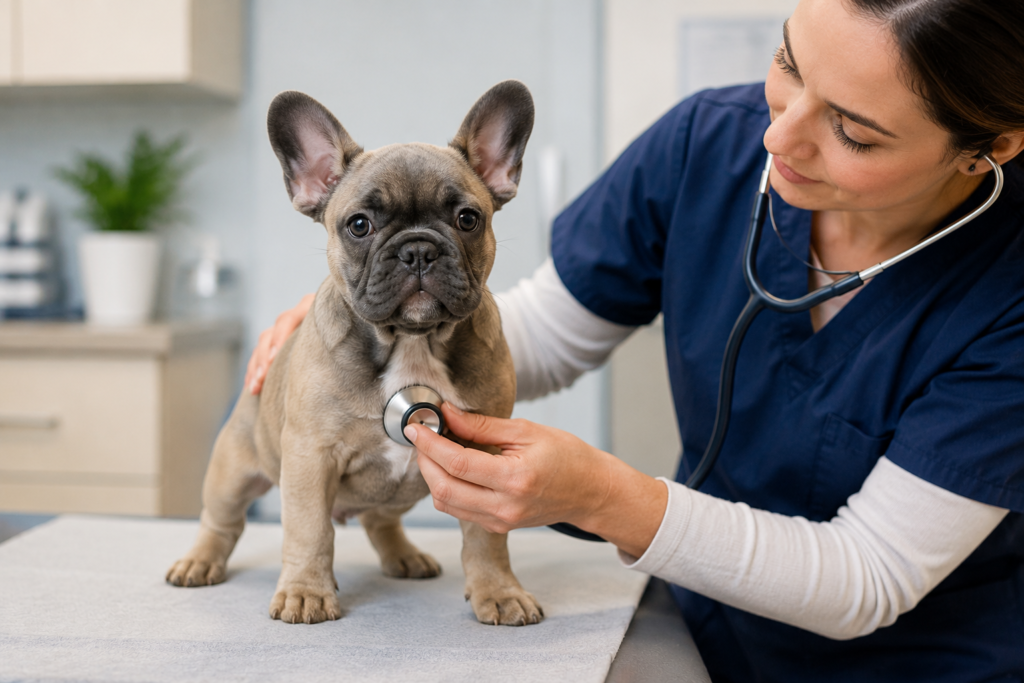
There’s no universal answer. It depends on your financial situation, your risk tolerance, and how you’d want to handle an unexpected veterinary bill. A few breed-specific factors are worth weighing when you decide.
French Bulldogs are more likely than many breeds to experience brachycephalic airway concerns, skin sensitivities, and certain spinal or orthopedic issues over their lifetime. None of this means a particular dog will develop these conditions; every dog is an individual. But statistically, Frenchie owners have a somewhat higher chance of facing a specialist referral, imaging, or surgical consult at some point.
If you have a dedicated emergency fund that could comfortably absorb a large, unplanned vet bill, self-insuring may work fine for you. If an unexpected bill in the thousands would be hard to manage, insurance is worth evaluating, ideally before any symptoms appear, since coverage decisions are cleanest when a dog is still healthy.
How much does pet insurance for a French Bulldog cost?

There’s no single “average price” that applies to every French Bulldog, and any number presented as a flat national rate should be treated with skepticism. Premiums are calculated individually by each insurer, and they can vary substantially even for two Frenchies living in the same city.
The main variables that influence your premium:
Age at enrollment matters, since younger dogs generally cost less to insure than older dogs, as the likelihood of illness claims tends to rise with age. Location matters too: veterinary costs differ by region and even by city, and insurers price policies accordingly. Coverage level plays a role, since a basic accident-only plan typically costs less than a comprehensive accident-and-illness plan. Your deductible affects the premium in the opposite direction from what you might expect: a higher deductible usually lowers your monthly premium, while a lower deductible raises it.
The reimbursement percentage you choose also matters; plans that reimburse a higher share of the vet bill, say 90% versus 70%, generally cost more per month. Annual or per-incident limits factor in as well, since higher payout caps typically come with higher premiums. Each insurer also has its own underwriting model, and some weigh breed-related risk differently than others. Finally, optional wellness or preventive-care add-ons, which cover routine items like vaccines or annual exams, add to the base premium.
Because pricing depends on so many variables, the most reliable way to understand what French Bulldog insurance will cost for your dog is to request quotes directly from insurers using your dog’s actual age, location, and health history. Treat any number you see online, including in this article, as a general estimate rather than a guaranteed price.
What does pet insurance for French Bulldogs typically cover?
Most modern pet insurance policies are built around an accident-and-illness framework, though exact coverage always depends on the specific plan and insurer. Commonly covered categories include accidents such as swallowed objects, broken bones, or bite wounds; illnesses including infections, digestive issues, and chronic conditions that develop after coverage begins; diagnostic testing such as bloodwork and urinalysis; imaging including X-rays, ultrasounds, and in some cases MRI or CT scans; surgical procedures related to a covered accident or illness; hospitalization and overnight care; prescription medications tied to a covered condition; specialist and referral care, such as visits to a veterinary dermatologist or orthopedic surgeon; and emergency veterinary treatment, including after-hours and urgent care visits.
Some insurers also offer optional wellness add-ons that help offset routine costs like vaccinations, dental cleanings, or annual checkups, but these are typically separate from core accident-and-illness coverage and cost extra.
Coverage details differ from policy to policy. The only way to know exactly what’s included, and what isn’t, is to read the sample policy or certificate of coverage before you enroll.
Common French Bulldog health problems and insurance considerations

French Bulldogs are wonderful companions, and plenty of them live long, healthy lives with few medical issues. Still, as a breed, they tend to show up more often than average in a few categories of veterinary visits.
Short muzzles and narrowed airways can make breathing less efficient for some Frenchies, particularly in heat or during exercise. Their skin folds and sensitive coats can make some Frenchies prone to irritation, infections, or allergic reactions, and recurring ear infections are relatively common in the breed. Their prominent eyes can be more susceptible to certain injuries or irritation. Orthopedic problems affecting the joints or hips show up as well, along with gastrointestinal issues like sensitivity to certain foods or recurring digestive upset, and spinal or back problems related to their compact body structure. Because brachycephalic dogs generally regulate body temperature less efficiently than longer-nosed breeds, heat poses a particular risk too.
None of this is a diagnosis or a prediction for any individual dog; it’s simply the pattern insurers and veterinarians commonly see across the breed. Whether any of these conditions would be covered under a policy depends heavily on two things: whether the condition existed, or showed symptoms, before the policy started, and what that specific policy’s exclusions say. That’s why reading the fine print matters more than assuming coverage exists.
Does pet insurance cover French Bulldog breathing problems?
Brachycephalic airway syndrome, the term for the combination of anatomical features that can restrict airflow in short-nosed breeds, is one of the more searched topics among Frenchie owners considering insurance.
Whether a policy would help with respiratory-related costs depends on the specifics. If a policy is active and a covered breathing-related illness or complication develops after any applicable waiting period, some accident-and-illness plans may help with costs like veterinary evaluation, diagnostic imaging of the airway, and surgical correction where medically appropriate.
Several factors can limit or exclude coverage, though. If a dog was already showing respiratory symptoms, or had already been diagnosed, before the policy began, that condition is commonly excluded going forward. Most insurers also require a set number of days after enrollment before illness coverage becomes active, a waiting period designed to prevent people from buying a policy only after a problem appears. And some insurers apply specific exclusions or riders related to congenital or hereditary conditions common in brachycephalic breeds, while others do not; this varies by company.
Because this is one of the more consequential coverage questions for Frenchie owners, ask any insurer directly, in writing, how they handle brachycephalic airway-related conditions before you enroll, rather than assuming coverage either way.
Does pet insurance cover French Bulldog allergies and skin problems?
Skin issues are among the most common reasons Frenchie owners end up at the vet, so it’s a fair question. Many accident-and-illness policies are designed to help with the diagnostic and treatment side of allergies and dermatitis: things like veterinary exams, allergy testing, prescribed medications, and follow-up visits for a covered flare-up.
Two nuances matter here. First, chronic or recurring skin conditions are sometimes treated differently than a one-time issue, since insurers may classify a condition as pre-existing once it has been diagnosed, even if new flare-ups occur after the policy start date; policies vary on how they define and apply this. Second, some routine or preventive skin care, like specialized shampoos used simply for maintenance rather than treatment of a diagnosed condition, may fall outside what a plan reimburses. The specific policy wording determines the outcome, not general assumptions about what “should” be covered.
Does pet insurance cover French Bulldog surgery?
Surgical coverage is one of the main reasons owners consider insurance in the first place, since surgery is often where costs escalate quickly. Under most accident-and-illness plans, surgery required because of a covered accident, like a torn ligament from a fall, or a covered illness, like an intestinal blockage, can potentially be eligible for reimbursement, subject to the policy’s terms.
A few mechanics affect how much you’d actually receive back. You typically pay your deductible out of pocket before reimbursement kicks in for a policy period. The reimbursement percentage is the share of the eligible bill the insurer pays after the deductible, commonly a percentage you choose when selecting your plan. If your policy has an annual or per-incident payout cap, costs beyond that cap for the covered period generally become your responsibility. And elective, cosmetic, or breed-specific excluded procedures generally aren’t eligible, and neither are conditions considered pre-existing.
Because surgical bills can be significant, comparing reimbursement percentages and annual limits across insurers, not just monthly premiums, really pays off.
What pet insurance usually doesn’t cover
Exclusions differ by insurer, but several categories are commonly excluded across most policies in the industry: pre-existing conditions (health issues that showed symptoms or were diagnosed before coverage began or during a waiting period), elective procedures that aren’t medically necessary, cosmetic procedures, routine or preventive care under standard accident-and-illness plans (though wellness add-ons may cover some of this separately), certain breeding-related expenses such as costs tied to pregnancy or whelping, and any condition specifically named in that insurer’s exclusions list.
Not every company excludes the exact same things, and some offer optional riders that bring certain excluded items back into coverage. Check the exclusions section of a policy, not just the marketing overview, before assuming something is or isn’t included.
Pre-existing conditions and French Bulldogs
This is arguably the single most misunderstood part of pet insurance, so it’s worth explaining clearly.
A pre-existing condition generally refers to any illness, injury, or symptom that showed up, or was diagnosed, before your policy’s coverage started, or during the insurer’s waiting period. Most insurers won’t cover treatment for a condition that falls into this category, even if you didn’t know about it at the time.
Here’s an example. Imagine a French Bulldog develops a mild ear infection two weeks before its owner enrolls in a policy. Even if the owner didn’t take the dog to the vet at the time, once coverage begins, that same ear issue, if it recurs or is later diagnosed as connected to the earlier symptoms, would typically be treated as pre-existing and excluded. Now imagine a different scenario: the same dog is enrolled while completely healthy, waits out the standard waiting period, and then develops an unrelated ear infection eight months later. In that case, if the condition is new and unrelated to anything documented beforehand, it would generally be eligible for coverage under a typical accident-and-illness plan, subject to the policy’s terms.
The practical takeaway: the earlier you enroll a healthy dog, the fewer conditions are likely to be excluded as pre-existing later on.
How to choose the best pet insurance for a French Bulldog
There’s no single “best” provider for every Frenchie owner. The right fit depends on your dog’s age, your budget, and what you value most. Use this framework to compare policies side by side:
Look at the coverage scope: does it cover accidents only, or accidents and illnesses? Check the exclusions, including any breed-related ones. Note the deductible, whether it’s annual or per-incident, and how much. Compare the reimbursement percentage, meaning what share of eligible bills comes back to you, and the annual maximum, meaning whether there’s a payout cap high enough for major surgeries. Check the waiting periods before accident and illness coverage becomes active, and how the claim process works: how claims are submitted and how long reimbursement typically takes. Look at whether prescriptions are included or a separate add-on, and whether specialist coverage extends to referrals like dermatologists or orthopedic surgeons. Read the renewal terms, since premiums can increase significantly at renewal and insurers handle new conditions differently year to year. Ask whether the insurer applies any specific brachycephalic-breed clauses. And weigh customer service and reviews: how responsive and transparent the company is when members have questions or file claims.
Requesting sample policy documents, not just a quote page, from a few different insurers and comparing them side by side using this list is the most reliable way to find the right fit.
Is pet insurance worth it for a French Bulldog?
This depends entirely on your circumstances, and it’s worth deciding with clear eyes rather than urgency.
On the upside, insurance can protect against a large, unexpected veterinary bill, potentially widen access to advanced diagnostics, specialists, or surgery without cost being the sole deciding factor, make monthly budgeting more predictable than an unplanned lump-sum expense, and provide a financial buffer during genuine emergencies.
On the downside, you pay ongoing monthly premiums even in years with no claims, and deductibles and reimbursement percentages reduce your final payout. Exclusions may leave certain conditions uncovered, waiting periods delay when illness coverage becomes active, and claims processing takes time, meaning you typically pay upfront and get reimbursed later. Pre-existing condition limitations can also affect dogs enrolled later in life or after a diagnosis.
Weigh these honestly against your own financial situation. Insurance isn’t inherently worth it or not worth it; it’s a tool that fits some households better than others.
How to get affordable pet insurance for a French Bulldog
If cost is a primary concern, there are legitimate ways to manage your premium without sacrificing meaningful protection. Compare multiple insurers rather than accepting the first quote you receive. Choose a deductible you can realistically afford if a claim comes up; a higher deductible lowers your premium but raises your out-of-pocket cost per claim. Compare reimbursement percentages carefully, since a lower monthly premium sometimes comes with a lower reimbursement rate. Check the annual limit, especially if you want protection against a major surgery and not just smaller claims. Enroll while your dog is young and healthy, since this typically means fewer conditions get flagged as pre-existing later. Read the exclusions list in full before comparing price, so you’re comparing genuinely similar coverage. And look at total annual cost, not just the monthly premium; a slightly higher monthly rate with a better reimbursement structure can sometimes save money over a full year of care.
Taking extra time upfront to compare policies thoroughly tends to pay off far more than chasing the cheapest listed premium.
Coverage Type Comparison
| Plan Type | What It Covers | Typical Cost |
|---|---|---|
| Accident-only | Injuries like broken bones, swallowed objects, bite wounds | Lowest premium |
| Accident & illness | Accidents plus infections, chronic conditions, diagnostics, surgery | Mid-range premium |
| Accident, illness & wellness add-on | All the above plus vaccines, dental cleanings, annual exams | Highest premium |
Frequently asked questions
How much is pet insurance for a French Bulldog? Costs vary widely based on your dog’s age, your location, the coverage level you choose, and your selected deductible and reimbursement percentage. Rather than relying on a general estimate, request quotes directly from a few insurers using your dog’s actual details.
Is pet insurance worth it for French Bulldogs? It depends on your financial situation and risk tolerance. Insurance can help offset the cost of unexpected accidents or illnesses, but it comes with premiums, deductibles, and exclusions that should be weighed against your own budget and comfort with financial risk.
Does pet insurance cover brachycephalic breathing problems? It depends on the individual policy, when symptoms first appeared, and whether the condition is considered pre-existing. Some accident-and-illness plans may help with eligible respiratory-related costs after any waiting period, while others apply specific exclusions. Confirm directly with the insurer.
Does pet insurance cover French Bulldog allergies? Many accident-and-illness policies can help with the diagnosis and treatment of new allergy-related issues that develop after enrollment and any waiting period, though chronic conditions diagnosed earlier may be treated as pre-existing. Policy wording determines the specifics.
Does pet insurance cover surgery for French Bulldogs? Surgery tied to a covered accident or illness is often eligible for reimbursement under standard plans, subject to your deductible, reimbursement percentage, and annual limit. Elective, cosmetic, or pre-existing-condition-related surgeries are typically excluded.
Are French Bulldogs expensive to insure? Premiums can be higher for French Bulldogs than for some breeds, in part because certain health tendencies are more common in the breed. Individual pricing still depends heavily on age, location, and the coverage you select, so it’s worth comparing real quotes rather than assuming a fixed cost.
Can I insure an older French Bulldog? Many insurers allow enrollment for older dogs, though premiums are often higher and any conditions already present may be excluded as pre-existing. Enrolling earlier in a dog’s life generally results in broader eligible coverage over time.
Does pet insurance cover pre-existing conditions? Generally, no. Most insurers exclude conditions that showed symptoms or were diagnosed before the policy started or during the waiting period. This is standard across the pet insurance industry, though the exact definition and application vary by company.
Looking for more breed-specific pet care guides? Browse our full blog for grooming, nutrition, and health articles.



1 Comment
Best Pet Insurance for Dogs 2026: Complete Comparison Guide · October 7, 2026 at 22:14
[…] breed- or age-specific guidance, see our related posts on French Bulldog insurance and senior dog insurance, or browse the full […]