Cat Insurance That Covers Dental: What’s Included and What to Know
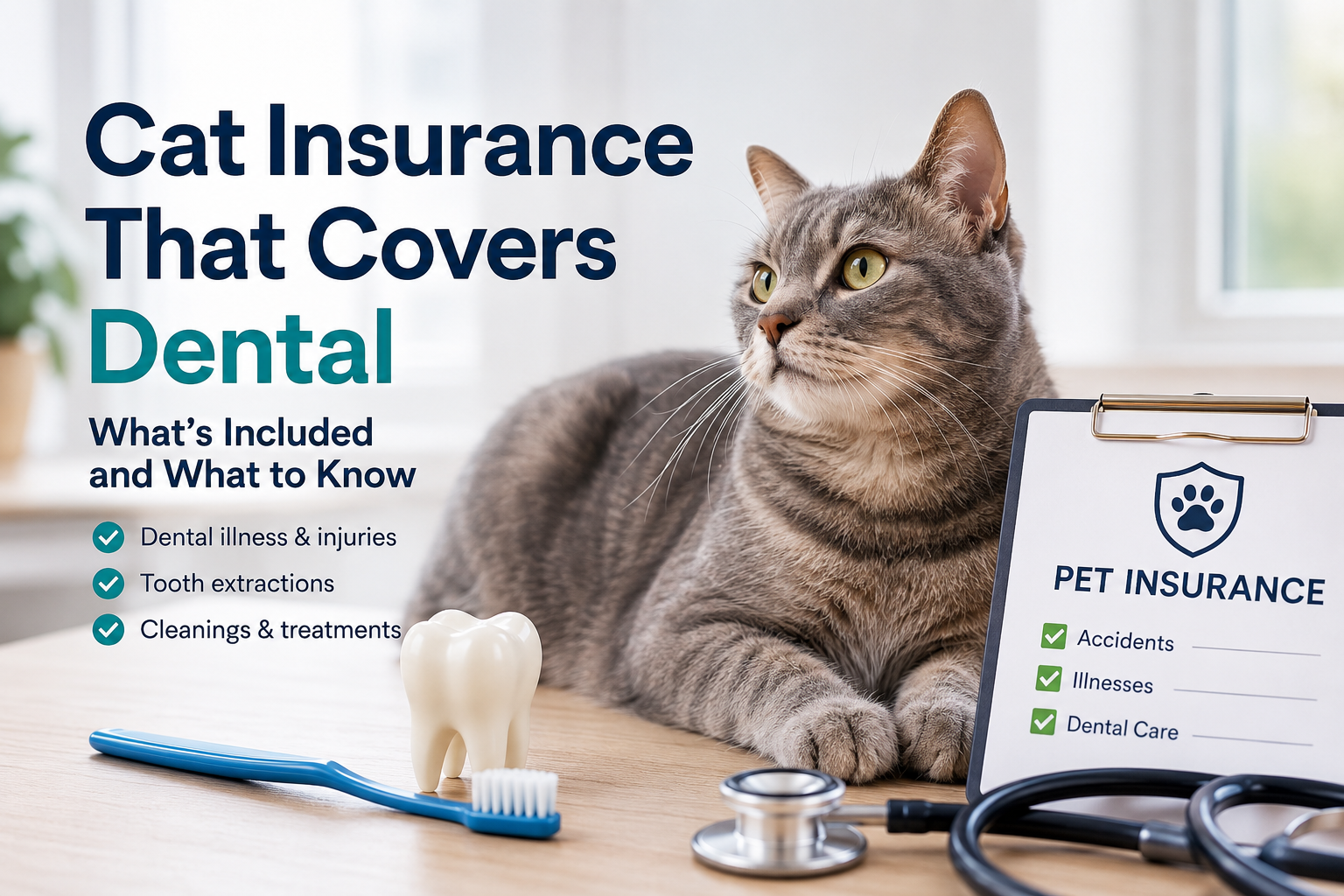
Cat Insurance That Covers Dental
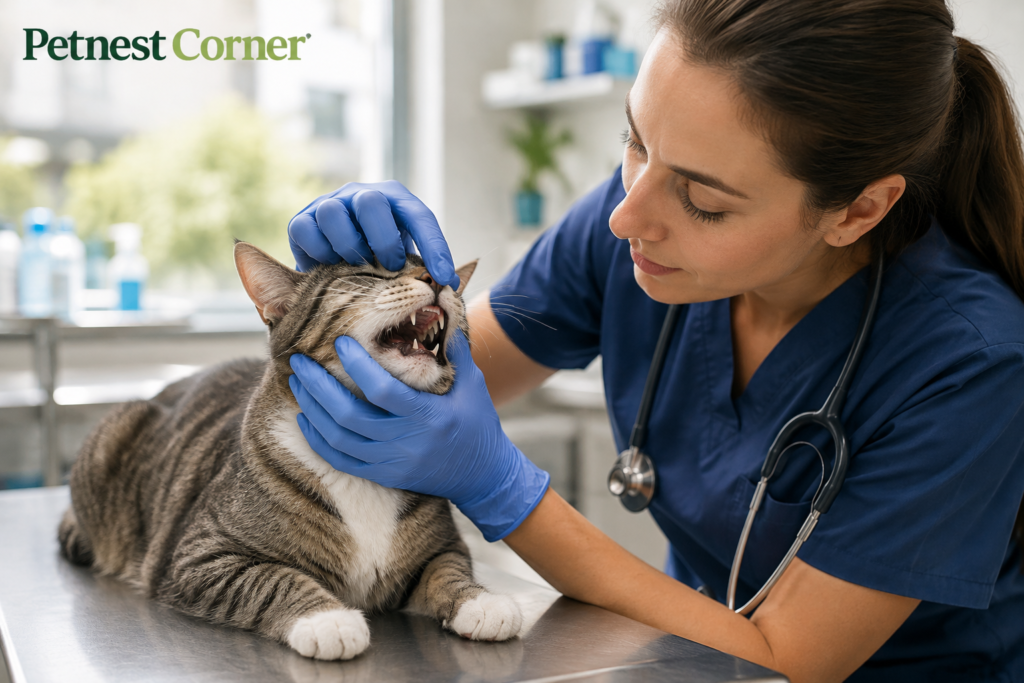
A cat owner in Ohio takes her four-year-old tabby in for a routine checkup and learns he needs three teeth extracted for advanced periodontal disease. The estimate comes back at $1,400. She has pet insurance. Will it help?
The honest answer is: it depends entirely on the policy. Cat insurance that covers dental exists, but “dental coverage” isn’t one standard benefit. It’s a patchwork of accident coverage, illness coverage, and optional wellness add-ons that vary from one insurer to the next. Some policies pay for a tooth broken in a fall but not periodontal disease. Others cover dental illness but exclude cleanings unless you’ve added a separate rider. A few exclude dental treatment almost entirely unless you pay extra for it.
This guide breaks down what dental coverage typically includes, what’s commonly excluded, what treatment actually costs in the U.S., and how to compare policies so you’re not caught off guard the way many cat owners are, usually the first time they get a dental estimate.
Does cat insurance cover dental care?

Yes pet insurance usually covers some kinds of care but only with certain plans. Most pet insurance plans, which are the accident and illness kind will pay for treatment if it is because of an accident or illness that the plan covers.
For example if a pet has a tooth fracture from a fall or a jaw injury from being hit by a car or needs a tooth pulled because of gum disease or tooth resorption the pet insurance plan may pay for it. The pet owner will still have to pay the deductible. The plan will only pay a certain percentage of the bill up to a certain amount per year.
The pet insurance plan will cover care for things, like a fractured tooth or extractions but only if it is because of something that the plan covers, like an accident or an illness. Pet owners should check their insurance plan to see what kind of dental care it covers.
What these standard plans typically don’t cover is routine, preventive dental care: the annual or biannual professional cleaning your vet recommends to keep disease from developing in the first place. That’s treated the same way as vaccines or a wellness exam, outside the scope of accident-and-illness coverage. Comprehensive plans help cover dental accidents and illnesses including gum disease, infections, and broken teeth, while wellness plans or add-ons typically cover things like dental cleanings and exams to help maintain dental health.
Three factors determine whether a specific dental bill gets reimbursed. The plan type matters most: accident-only, accident-and-illness, or accident-and-illness plus a wellness/preventive-care add-on. Whether the condition is pre-existing matters too: a dental issue your cat already had, or showed signs of, before the policy’s effective date and waiting period. And policy-specific dental exclusions matter, since some insurers carve out certain dental conditions even under illness coverage, so the fine print matters more here than in almost any other category of pet insurance.
If you’re comparing policies specifically because dental costs worry you, the practical question to ask isn’t “does this cover dental?” It’s “does this cover dental illness, not just dental accidents, and are there any sub-limits on it?”
What dental problems may cat insurance cover?
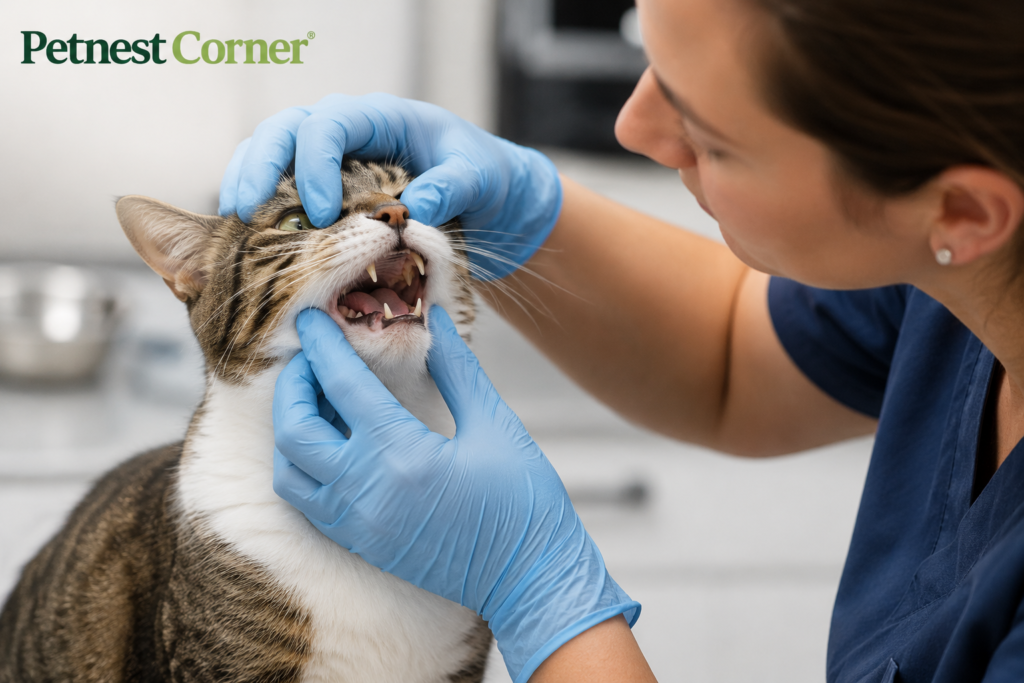
Coverage decisions generally come down to how the problem originated, trauma versus disease, and whether it existed before the policy started.
Dental accidents. A tooth broken during a fall, a jaw fracture from being hit by a car, or a tooth knocked loose in a fight with another animal are usually treated as accidents. Accident-only plans cover dental damage caused by physical trauma: if a cat fractures a tooth during a fall, the resulting extraction or repair is typically covered. This category tends to have the most consistent coverage across insurers, since it doesn’t hinge on debates about disease progression or pre-existing status.
Dental illnesses. This is the larger and more variable category. It includes:
- Periodontal disease: inflammation and infection of the tissue supporting the teeth, often leading to tooth loss.
- Tooth resorption: a common feline-specific condition, sometimes called FORL, where the internal structure of a tooth breaks down and the tooth typically needs to be extracted.
- Gingivitis: inflammation of the gums, often an earlier stage of periodontal disease.
- Stomatitis: a painful, more severe inflammatory condition affecting the mouth’s soft tissue.
- Oral tumors or abscesses, when diagnosed as part of a covered illness.
Illness insurance generally covers dental diseases such as gingivitis and periodontal disease, and there may be caps on coverage for dental accidents and illness, separate from overall policy limits.
Tooth extractions tied to either an accident or a covered illness are commonly reimbursable, along with the anesthesia, bloodwork, and diagnostics that go with them, again, only if the plan includes illness coverage and the condition isn’t pre-existing.
Treatment associated with a covered condition, like antibiotics for an infected tooth, pain management after an extraction, or follow-up exams, is usually bundled into the same claim as the underlying procedure rather than treated as a separate benefit.
None of this is universal. Some insurers apply dollar sub-limits specifically to dental claims even within an otherwise unlimited illness policy, and a few require that your cat has had regular professional cleanings on record before they’ll pay an illness-related dental claim. Read the policy’s definitions section, not just its marketing page, before assuming a specific condition is covered.
Does cat insurance cover dental cleaning?
This is where the most confusion happens, because “dental cleaning” means two different things depending on why it’s being done.
Preventive, or routine, cleaning is the professional cleaning your vet recommends on a schedule, often every one to two years, to remove plaque and tartar before they cause disease. Because this is preventive rather than treatment for a diagnosed condition, standard accident-and-illness policies generally exclude it. It falls into the same bucket as annual exams and vaccinations.
Medically necessary cleaning happens as part of treating a diagnosed dental illness, for example, when a vet performs scaling and polishing during the same anesthetic event as extractions for periodontal disease. Cleanings are typically only covered under an illness plan if they’re prescribed as treatment for dental disease, or if the owner has added a preventive care option to the base plan.
If keeping up with routine cleanings matters to you financially, look specifically for a wellness or preventive-care add-on. These optional riders reimburse a fixed dollar amount per year toward things like cleanings, exams, and sometimes bloodwork, separate from the accident-and-illness benefit and its deductible. These plans generally reimburse pet dental cleanings up to a certain dollar amount per year, such as $75 or $125. Coverage amounts and what counts as “routine” vary significantly by insurer, so don’t assume a wellness add-on works the same way across companies.
Does cat insurance cover tooth extraction?
Often, yes, when the extraction is tied to a covered accident or illness and the condition isn’t pre-existing. The pieces typically fit together like this:
Accident-related extraction. If a tooth is broken or the jaw is injured in an accident, the extraction and related care are commonly covered under both accident-only and accident-and-illness plans.
Disease-related extraction. Extractions needed because of periodontal disease, tooth resorption, or stomatitis usually require illness coverage, not just accident coverage. Whether a dental extraction is covered depends on why the extraction is needed: dental accidents like a fractured tooth are typically covered under a base accident and illness policy, while extractions tied to dental illness may require a specific dental add-on depending on the insurer and location.
Pre-existing dental disease. If your cat was already showing signs of periodontal disease or tooth resorption before your policy’s start date and waiting period ended, extractions related to that condition are typically excluded going forward, even if the plan otherwise covers dental illness.
Necessary diagnostics. Pre-anesthetic bloodwork and dental X-rays performed as part of the same procedure are generally included in the claim when the extraction itself is covered, since insurers usually reimburse the full documented treatment for a covered condition rather than line-iteming out each component.
Anesthesia. Since cat dental extractions require general anesthesia, this cost is typically bundled into the covered claim rather than treated separately, but confirm this in the policy, since a few plans do carve out anesthesia-related costs.
Deductibles and reimbursement. Even when an extraction is covered, you’re still responsible for your annual deductible and the portion the reimbursement percentage doesn’t cover, commonly somewhere in the 70 to 90% range across the industry, though this varies by plan and by the reimbursement tier you select at enrollment.
Common dental exclusions in cat insurance
Exclusions differ from insurer to insurer, so treat the following as things to check for, not a universal list:
- Pre-existing conditions. Any dental issue that showed clinical signs, was diagnosed, or was treated before your policy began (or before the waiting period ended) is typically excluded for the life of the policy.
- Routine dental cleaning. Excluded under standard accident-and-illness coverage unless you’ve added a wellness rider.
- Cosmetic procedures. Elective or cosmetic dental work isn’t considered medically necessary and is broadly excluded.
- Orthodontic and endodontic treatment. Neither pet insurance nor pet wellness plans typically cover cosmetic, orthodontic, or endodontic dental treatments, such as capping or filing teeth.
- Certain periodontal conditions, depending on the insurer’s specific policy language and whether documentation requirements were met.
- Waiting periods. Most policies impose a waiting period, commonly days to weeks, between purchase and when illness coverage (including dental illness) becomes active. A dental problem diagnosed during that window is generally treated as pre-existing.
- Missing documentation. Some insurers require proof of regular professional cleanings or annual dental exams to approve illness-related dental claims. Without that paper trail, a claim for periodontal disease could be denied even if the condition itself would otherwise qualify.
Because dental exclusions vary this much, the exclusions section of a policy’s sample contract is one of the most important things to read before you buy, arguably more important than the marketing copy about what’s covered.
How much does dental treatment for cats cost?
Veterinary dental costs vary widely depending on where you live, the type of practice, and how much disease has progressed, but a few sourced ranges give a sense of scale.
Routine cleanings without extractions commonly run in the range of roughly $250 to $600, though costs as low as around $113 and as high as $682 have been reported depending on location and clinic type. The average cost of cleaning a cat’s teeth in the United States has ranged from roughly $113 to $600. One industry estimate puts the average cat teeth-cleaning cost at $375, with a typical range of $300 to $682.
Cleanings that include extractions cost considerably more, since anesthesia, X-rays, and surgical time are added to the base cleaning. Based on a sample of real veterinary invoices, cat dental cleanings without extractions typically fall between $250 and $500, while cleanings that include extractions typically run $500 to $1,500 or more. Some sources report an even wider ceiling: a single tooth extraction can cost roughly $600 to $1,200 at a general veterinary practice once diagnostics, anesthesia, and cleaning are included, and up to around $2,000 when multiple teeth are removed.
Per-tooth extraction pricing, separate from the base visit, is commonly quoted in the range of about $50 to $140 per tooth. Estimates for cat tooth extraction commonly fall around $60 to $140 per tooth, plus aftercare costs, though the full treatment, including check-ups, anesthesia, X-rays, pain relief, and antibiotics, can bring the total to somewhere between $500 and $1,150.
What drives the total bill:
- Location. Urban and high-cost-of-living areas generally charge more than rural practices.
- Type of clinic. General practices, low-cost community clinics, and specialty veterinary dental practices price very differently for comparable procedures.
- Severity of disease. A cat with mild tartar buildup costs far less to treat than one with advanced periodontal disease or multiple resorptive lesions.
- Number of teeth requiring extraction. Costs scale directly with how many teeth need to come out.
- Anesthesia. Required for virtually all feline dental procedures and priced separately from the cleaning itself.
- Dental X-rays. Commonly needed to see below the gumline, where a large share of feline dental disease actually lives.
- Bloodwork. Pre-anesthetic screening to confirm a cat is a safe candidate for sedation.
- Medications and follow-up care. Antibiotics, pain control, and any recheck visits after a procedure.
Treat every number above as an estimate, not a quote. Your veterinarian’s own estimate for your cat’s specific situation is the only figure that matters when you’re actually budgeting for a procedure.
What to look for in cat insurance that covers dental
If dental coverage is a priority, use this as a working checklist while you compare plans:
- Accident coverage for dental injuries, largely standard across the industry.
- Illness coverage that explicitly extends to dental disease, not just accidents. This is the single biggest differentiator between plans.
- Dental illness coverage without a hard sub-limit, or at least a sub-limit high enough to be meaningful given the cost ranges above.
- Dental injury coverage as part of the same accident benefit, so a broken tooth isn’t treated differently from a broken bone.
- Preventive-care or wellness add-on options, if you want help with routine cleanings rather than only emergency or illness-driven treatment.
- Annual coverage limits: how much the policy pays out per year in total, since dental claims share that pool with every other condition.
- Deductible structure: annual versus per-condition, and how it interacts with dental claims specifically.
- Reimbursement percentage: the share of an approved claim the insurer pays after the deductible.
- Waiting periods for illness coverage, which determine when dental-illness claims actually become eligible.
- How the policy defines “pre-existing condition,” since definitions differ. Some insurers treat a condition as no longer pre-existing after a symptom-free period, others do not.
- Dental-specific exclusions, read directly from the sample policy rather than a summary page.
- Documentation requirements, such as proof of annual dental exams or cleanings, needed to keep illness-related dental claims eligible.
- Claim procedures: how claims are submitted, typical turnaround time, and whether the insurer pays the vet directly or reimburses you.
- Policy renewal terms, including whether dental conditions diagnosed in one policy year could affect renewal terms or premiums the next.
How to compare cat insurance dental coverage
A practical, step-by-step process for comparing policies side by side:
- Identify what dental problems are covered: accidents only, or accidents and illness, and whether specific conditions like tooth resorption are named.
- Check the exclusions list in the actual policy document, not the marketing summary.
- Review waiting periods for illness coverage, since this determines how soon dental-illness claims are eligible.
- Compare deductibles. A lower deductible sounds appealing, but it usually comes with a higher premium.
- Compare reimbursement percentages across the same coverage tier so you’re comparing like with like.
- Check annual or lifetime limits, and specifically whether dental claims are subject to their own sub-limit within that total.
- Review preventive-care benefits if routine cleanings matter to your budget, since this is almost always a separate add-on rather than part of the base plan.
- Read the policy’s dental definitions: how it defines “accident,” “illness,” and “pre-existing condition” as they apply to teeth.
- Confirm documentation requirements for illness-related dental claims before you assume a future claim will be approved.
- Compare overall value, not price alone. The cheapest premium is often the cheapest because it excludes or sub-limits dental coverage more aggressively, so weigh that against what a real dental claim would likely cost you out of pocket.
Questions to ask before buying cat insurance with dental coverage
Bring this list to a quote call or use it while reading a sample policy:
- Does this policy cover dental illness, or only dental accidents?
- Are accidental dental injuries (broken or knocked-out teeth) covered?
- Are extractions covered when they’re tied to a diagnosed illness like periodontal disease or tooth resorption?
- Is anesthesia included in a covered dental claim, or billed separately?
- Are dental X-rays covered as part of a covered procedure?
- Is routine cleaning covered at all, or only through a separate add-on?
- Are any specific periodontal conditions excluded, even under illness coverage?
- How does this policy define and handle pre-existing dental conditions?
- Is there a waiting period specific to dental or illness coverage?
- Are there annual dollar limits that apply specifically to dental claims?
- What preventive care, if any, is required to keep illness-related dental claims eligible?
Is cat insurance with dental coverage worth it?
There’s no single answer that applies to every cat owner, but a few factors should shape the decision.
In favor of dental coverage: feline dental disease is extremely common. According to Cornell University’s Feline Health Center, 50 to 90% of cats older than four years suffer from some form of dental disease, and tooth resorption alone affects an estimated 20% to 60% of all cats, rising to close to three-quarters of cats five years and older. Given that a single extraction-involved dental visit can run from several hundred to well over a thousand dollars, insurance that includes dental illness coverage can meaningfully reduce the financial shock of a diagnosis your cat is statistically likely to face at some point.
Reasons to weigh carefully: premiums add up over a cat’s lifetime, and if you enroll after a dental issue has already appeared, that condition will likely be excluded as pre-existing, meaning the insurance won’t help with the very problem that prompted you to look into it. Deductibles and reimbursement percentages also mean you’re never covered at 100%, and routine cleanings, the preventive care that can reduce the odds of a costly illness later, usually aren’t included unless you pay for a separate wellness add-on.
What tends to matter most in the decision:
- Your cat’s age. Enrolling a kitten or young adult cat, before any dental issues appear, maximizes the odds that a future dental illness will be covered rather than excluded as pre-existing.
- Existing dental history. If your cat already has diagnosed dental disease, insurance is unlikely to help with that specific condition going forward, though it could still help with unrelated accidents or illnesses.
- Premium cost versus your own savings habit. Some owners are better served by setting aside a dedicated pet emergency fund than by paying a monthly premium. Others prefer the predictability insurance offers even if the math is close either way.
- Deductible and limit selection. A policy with dental illness coverage but a very high deductible or low annual limit may not meaningfully change what you pay out of pocket for a moderate dental claim.
The honest framing: insurance is a tool for managing unpredictable, potentially large expenses, not a guarantee of savings, and not a substitute for budgeting toward routine preventive care.
How to choose the right policy for your cat
Your cat’s life stage and dental history should shape which features matter most.
Kittens. This is the ideal enrollment window, since no dental conditions have had a chance to develop yet. Look for accident-and-illness coverage with dental illness included from day one, and consider whether a wellness add-on for future routine cleanings makes financial sense over the cat’s lifetime.
Young adult cats with no known dental issues. Similar logic applies. Enrolling now, before any signs of periodontal disease or resorption appear, gives you the best chance that a future dental diagnosis will actually be covered rather than excluded as pre-existing.
Senior cats. Dental disease becomes substantially more common with age, which raises both the value of coverage and the likelihood that some conditions are already present and therefore excluded. Read the pre-existing condition definition carefully, and ask directly whether age affects premium pricing or plan availability.
Cats with previous dental problems. Expect that specific, previously diagnosed conditions will be excluded going forward under most policies. Coverage can still be useful for new, unrelated dental issues or non-dental accidents and illnesses, just don’t expect it to retroactively help with a known problem.
Cats with no known dental history (for example, a recently adopted adult cat). Ask your vet for a baseline oral exam before enrolling, if possible, so you understand what you’re working with and can set realistic expectations about what a new policy would and wouldn’t cover.
None of this is a substitute for an individualized conversation with your veterinarian about your specific cat’s oral health. This article can only describe how coverage tends to work in general.
Final thoughts
Cat insurance that covers dental care is common, but “dental coverage” isn’t a single, standardized benefit. It’s really three separate things: accident coverage, illness coverage, and optional wellness add-ons for routine cleaning. Most of the value for cat owners comes from illness coverage, since periodontal disease and tooth resorption are so common in cats, but that’s also the coverage most likely to carry exclusions, sub-limits, and documentation requirements that vary by insurer.
Before you buy a policy specifically for its dental benefits, read the actual sample policy document, not just the summary page, and confirm directly with the insurer how it defines pre-existing conditions, what dental illnesses are named as covered, and whether any sub-limits apply. The right policy for your cat depends on their age, dental history, and your own tolerance for premiums versus out-of-pocket risk. For broader coverage details beyond dental, see our guide to pet insurance for cats.
This article is for general informational purposes and is not a substitute for veterinary or insurance advice. Coverage varies by insurer and policy, so review the policy documents and confirm details directly with the provider.
Frequently Asked Questions
Does cat insurance cover a broken tooth? Usually yes, when it results from an accident like a fall, and the policy includes accident coverage — one of the most consistently covered dental scenarios across insurers.
Will insurance cover my cat’s dental cleaning? Only if it’s medically necessary treatment for a diagnosed illness, or if you’ve added a separate wellness/preventive-care rider. Routine cleanings aren’t covered under standard accident-and-illness plans.
Is tooth resorption covered? Often yes under illness coverage, as long as it wasn’t diagnosed or symptomatic before your policy started and any waiting period ended.
Should I enroll my cat before or after a dental issue appears? Before. Enrolling while your cat is healthy gives you the best chance that a future dental diagnosis is covered rather than excluded as pre-existing.
Looking for more cat care guides? Browse our full blog for grooming, nutrition, and insurance articles.


3 Comments
Best Cat Insurance for Older Cats: A 2026 Owner's Guide · September 6, 2026 at 18:35
[…] Does pet insurance cover pre-existing conditions in cats? Generally, no. Most insurers exclude conditions diagnosed or symptomatic before enrollment or during the waiting period. Definitions of “pre-existing” and any paths back to coverage vary by insurer, so check the specific policy wording. For dental-specific coverage details, see our guide to cat insurance that covers dental. […]
Pet Insurance That Covers Dental: A Complete 2026 Guide · September 8, 2026 at 07:41
[…] The best way to find pet insurance that covers dental in a way that actually fits your pet is to slow down and read the real policy documents rather than relying on marketing summaries. Compare waiting periods, pre-existing-condition definitions, dental sublimits, and exclusions side by side, and don’t hesitate to ask an insurer directly how they’d treat your pet’s specific dental history. A little research before you buy can make the difference between a policy that pays out when you need it and one that leaves you covering the bill yourself. For cat-specific details, see our guide to cat insurance that covers dental. […]
Cat Insurance for Senior Cats: Coverage & Costs Guide · September 26, 2026 at 08:04
[…] routine cleanings often require a separate wellness add-on or aren’t covered at all. See our cat dental insurance guide for […]