Indoor Rabbit Care Guide

Indoor Rabbit Care Guide: Everything You Need to Know
Deciding to bring a rabbit into your home is exciting and honestly, it’s a bigger commitment than many people realize. These fluffy companions live 8–12 years (sometimes longer), and they need thoughtful care, the right environment, and plenty of attention to thrive. If you’re wondering what an indoor rabbit care guide really covers, the short answer is everything: from building the perfect space to understanding their quirky behaviors and keeping them healthy.
This guide walks you through everything you need to know to give your rabbit the best life possible. Whether you’re a total beginner or you’ve had rabbits before, you’ll find practical advice that actually works. If you’re also considering other small pets, take a look at our beginner fish tank setup guide for comparison.
Table of Contents
- What Is Indoor Rabbit Care?
- Benefits of Keeping Rabbits Indoors
- Choosing the Right Rabbit Breed
- Creating the Perfect Indoor Rabbit Setup
- Rabbit-Proofing Your Home
- Best Diet for Indoor Rabbits
- Foods Rabbits Should Never Eat
- Daily Rabbit Care Routine
- Rabbit Grooming Guide
- Exercise and Mental Enrichment
- Litter Training Your Rabbit
- Understanding Rabbit Behavior
- Common Health Problems
- Seasonal Care Tips
- Mistakes New Rabbit Owners Make
- Indoor Rabbit Care Checklist
- Frequently Asked Questions
What Is Indoor Rabbit Care?
Indoor rabbit care means providing everything your bunny needs to live safely, healthily, and happily inside your home. This includes proper housing, nutrition, veterinary attention, social interaction, and mental stimulation. It’s not just about keeping them alive—it’s about ensuring they have a quality life.
Rabbits aren’t like dogs or cats. They have specific needs when it comes to temperature, humidity, diet, and space. They’re social animals that get bored without enrichment, and they’re surprisingly fragile when it comes to stress and poor handling. Understanding these differences is the foundation of good rabbit ownership.
The good news? Once you get the basics right, caring for an indoor rabbit becomes routine. Many rabbit owners find that their bunnies become cherished family members that bring joy and personality to their homes.
Benefits of Keeping Rabbits Indoors
There are some real advantages to having your rabbit live inside rather than in an outdoor hutch.
Safety and Predator Protection
Indoor rabbits aren’t at risk from foxes, raccoons, hawks, or neighborhood cats. They’re protected from weather extremes, parasites, and diseases that outdoor rabbits face. This alone extends their lifespan and reduces health problems significantly.
Better Bonding and Socialization
Living inside means your rabbit spends more time around family members. They get accustomed to household sounds and routines, become more trusting, and develop stronger bonds with their owners. Many indoor rabbits greet their humans at the door or follow them from room to room.
When your rabbit lives with you, you notice changes in behavior, appetite, or litter habits immediately. Early detection of health issues can be lifesaving. You also control their environment—temperature, humidity, and stress levels—which supports better overall health.
Indoor rabbits typically live longer and healthier lives than outdoor rabbits. They enjoy comfortable temperatures year-round, consistent care, and the company of their family. Many indoor rabbits live to 12 years or beyond.
Choosing the Right Rabbit Breed
Different rabbit breeds have different personalities, space needs, and grooming requirements. Here’s what matters when picking your bunny.
Small Breeds (2–5 lbs)
Dwarf rabbits, Netherlandish Dwarfs, and Holland Lops are adorable and don’t take up much space. They’re good for smaller living areas. However, they can be feisty and require careful handling. They’re better suited to experienced owners than total beginners.
Medium Breeds (5–8 lbs)
Breeds like Lops and Rex rabbits are friendly, calmer, and easier to handle. They work well in most homes and are more forgiving if you’re new to rabbit care. They still fit comfortably in apartment living.
Large Breeds (8+ lbs)
Flemish Giants and Checkered Giants are gentle giants. They need more space but are generally calm and social. They can be wonderful family pets, though their size means they need sturdy housing.
Long-haired Breeds
Angoras and Lionheads require brushing multiple times a week to prevent matting. If you’re not committed to grooming, skip these breeds.
Calm vs. Active
Some breeds are laid-back couch potatoes. Others are more energetic and need lots of playtime. Think about your lifestyle and pick accordingly.

Creating the Perfect Indoor Rabbit Setup
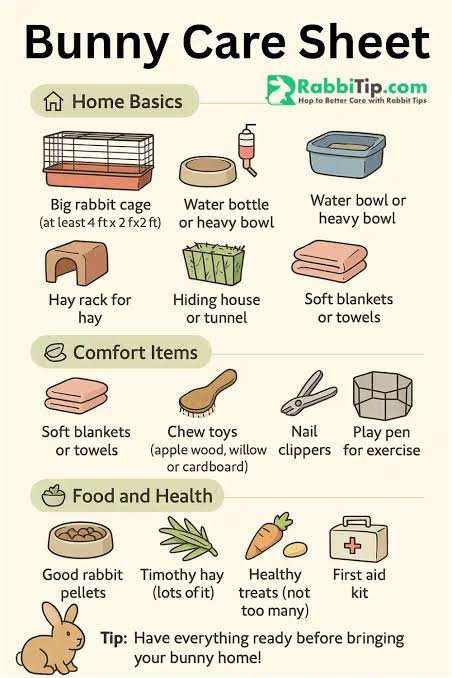
Your rabbit needs a home that’s comfortable, safe, and spacious. This is where many rabbit owners go wrong—they underestimate how much space their bunny actually needs.
Enclosure Size
The common advice? Your rabbit needs at least 4′ × 2′ of space. But honestly, bigger is always better. Rabbits are active animals that like to run and play. A 4′ × 8′ space is ideal for a single rabbit. Think of it as their “bedroom”—the space where they eat, use the litter box, and rest.
Beyond the enclosure, they should have daily access to a larger playpen or a rabbit-proofed room for exercise and exploration.
Type of Enclosure
Skip the traditional small rabbit cage. Your best options are:
- Puppy pens or exercise pens: Inexpensive, flexible, and easy to expand or reconfigure.
- DIY pens: Build a frame with plywood and cover it with screening or panels.
- Large dog crates or travel pens: Works for smaller rabbits.
- Pen/pen setup: Multiple small pens connected together to create a large space.
The key is having solid flooring, proper ventilation, and easy access for cleaning.
Flooring
Never use wire flooring-it hurts rabbit feet and causes sores. Use:
- Tile or vinyl flooring (easy to clean)
- Linoleum with washable rugs or blankets
- Cardboard (recyclable but needs frequent replacement)
- Fleece blankets
Good flooring protects their feet and makes the space more comfortable for lounging.
Litter Box
Place a large litter box (or two if you have space) in the designated corner. Rabbits naturally pick a spot for their bathroom, so you’re working with their instincts. Use unscented, dust-free paper-based litter or wood pellets. Avoid clay litter and anything with chemicals.
Hiding Spaces
Rabbits need places to hide and feel secure. Use:
- Cardboard boxes with entrances cut in both sides
- Tunnels and tubes
- Covered shelters
- Hay racks they can hide under
Having multiple hiding spots reduces stress and lets your rabbit feel in control of their environment.
Sleeping Area
Rabbits appreciate a cozy spot for daytime napping. Add soft blankets, a cat bed, or a small cushion. Many rabbits like elevated platforms where they can see their surroundings while resting.
Rabbit-Proofing Your Home

If your rabbit has free roam access to your home, you need to think like a bunny. Rabbits chew. They dig. They explore with their teeth. Here’s what to secure.
Electrical cords: Cover them with thick plastic tubing or flex tubing. A rabbit bite through a cord can be fatal.
Baseboards: Cover or protect them. Rabbits will absolutely gnaw on wood trim.
Furniture and carpets: Block access to underneath couches and beds if chewing is a problem. Use cardboard barriers or baby gates.
Toxic plants: Remove lilies, sago palms, azaleas, and other poisonous houseplants from areas where rabbits can reach them.
Chemicals and cleaners: Store them far away. Never use pesticides in areas where rabbits have access.
Small objects: Pick up anything small enough to swallow—buttons, rubber bands, coins, decorations.
Plastic: Remove plastic bags, storage containers, and rubber toys. Rabbits can choke or get intestinal blockages from plastic.
Medications and supplements: Keep your own medications and vitamins completely out of reach.
Take time to get down on floor level and look at your space from a rabbit’s perspective. If something looks interesting to you, your rabbit definitely wants to chew it.
Best Diet for Indoor Rabbits
Diet is where nutrition and prevention come together. A proper diet supports digestion, dental health, and weight management.
Unlimited Hay
Hay is the foundation of your rabbit’s diet. It should make up 80% of what they eat. Your rabbit needs unlimited, quality hay available 24/7.
Best hay options:
- Timothy hay (the gold standard for adult rabbits)
- Orchard grass hay
- Meadow hay
- Oat hay
Young rabbits (under 7 months) need alfalfa hay, which is higher in calcium and protein. Switch them to timothy hay as they mature.
Hay keeps their digestive system moving, wears down their constantly-growing teeth naturally, and provides essential fiber. Without enough hay, rabbits develop serious dental disease and digestive problems.
Pellets
Adult rabbits need 1/4 cup of quality pellets per 5 pounds of body weight daily. That means a 5-pound rabbit gets about 1/4 cup, and a 10-pound rabbit gets about 1/2 cup. Don’t go overboard—pellets are energy-dense and can lead to obesity.
Look for pellets that are:
- High in fiber (at least 18%)
- Low in fat (under 4%)
- Made primarily from timothy hay or grass, not alfalfa (for adult rabbits)
Good brands include Oxbow, Timothy Hay-based pellets, and other grass-based formulas.
Fresh Vegetables
Adult rabbits should have 1–2 cups of fresh greens daily. Rotate different vegetables to provide variety and prevent boredom. Safe options include:
- Romaine lettuce
- Leaf lettuce
- Kale
- Cilantro
- Parsley
- Arugula
- Spinach (in moderation)
- Carrots and carrot tops
- Celery
- Bell peppers
- Cucumber
Avoid iceberg lettuce—it’s mostly water and lacks nutrition.
Treats and Fruits
Fresh fruit is high in sugar and should be rare treats only. Offer small portions (thumbnail-sized) of:
- Apple
- Banana
- Berries
- Melon
- Pear
- Pineapple
Once or twice a week is plenty. Too many treats lead to obesity and digestive upset.
Fresh Water
Your rabbit needs fresh, clean water available 24/7. Use a water bowl rather than a bottle—bottles can malfunction and rabbits prefer drinking from bowls anyway. Change the water daily.
Foods Rabbits Should Never Eat
Some foods are toxic to rabbits or cause serious digestive problems. Here’s what to keep far away:
| Food | Why It’s Dangerous |
|---|---|
| Avocado | Contains persin, which is toxic to rabbits |
| Chocolate | Theobromine causes heart issues and seizures |
| Onions and garlic | Destroy red blood cells and cause anemia |
| Potatoes and tomatoes | Green parts are toxic; starchy tubers are problematic |
| Rhubarb | Oxalic acid damages kidneys |
| Legumes (dried beans) | Can cause serious gas and bloating |
| Grains and bread | Cause digestive upset and obesity |
| Seeds | Choking hazard and hard to digest |
| Nuts | Too high in fat; choking risk |
| Dairy products | Rabbits are lactose intolerant |
| Processed foods | Additives and salt harm rabbits |
| Iceberg lettuce | No nutritional value; can cause diarrhea in excess |
| Cauliflower and broccoli | Can cause dangerous gas in large amounts |
When in doubt, stick to hay, appropriate pellets, and known-safe vegetables.
Daily Rabbit Care Routine
Rabbits thrive on routine. A consistent schedule keeps them calm and healthy. Here’s what your day should include:
Morning (6-8 AM)
- Give fresh hay
- Offer fresh water and refill water bowl
- Provide fresh vegetables
- Spot-clean the litter box
- Quick health check—eyes clear? Nose dry? Ears alert?
Afternoon (12-2 PM)
- Refill water
- Spot-clean litter box
- Top up hay if needed
- Offer additional fresh vegetables if desired
Evening (6-8 PM)
- Provide pellets (measured amount for their size)
- Offer fresh hay
- Refill water bowl
- Spot-clean litter box
- Spend 30 minutes to 1 hour in supervised free-play time
- Observe behavior and mood
Before Bed (9-11 PM)
- Final water refill
- Remove any uneaten fresh vegetables
- Do a complete litter box check
- Ensure your rabbit has access to hiding spots and is settled
This routine takes about 20–30 minutes daily spread throughout the day. It’s manageable even with a busy schedule, and it keeps your rabbit healthy and happy.
Rabbit Grooming Guide
Grooming is essential for health and bonding. Different aspects need different attention levels.
Brushing
Long-haired rabbits need brushing 3–5 times per week. Short-haired rabbits benefit from brushing 1–2 times per week, especially during shedding season.
Why? Rabbits groom themselves constantly and ingest loose fur. Too much ingested fur causes digestive blockages (a life-threatening condition called GI stasis). Regular brushing removes loose hair before they swallow it.
How to brush:
- Use a soft slicker brush or comb
- Brush in the direction of hair growth
- Start with small, gentle strokes
- Work through any mats carefully without pulling skin
- Make it a positive experience with treats and gentle handling
Most rabbits enjoy brushing once they get used to it. Some even purr (yes, rabbits purr!).
Nail Trimming
Rabbit nails grow continuously. They need trimming every 4–6 weeks. Overgrown nails hurt when walking, get caught on things, and can cause injury.
How to trim:
- Use small pet nail clippers (like cat clippers)
- Have a friend help hold your rabbit still
- Only trim the clear or dark part—avoid the pink quick inside
- If you’re unsure, your vet or groomer can show you how
- Trim just a little at a time rather than too much at once
If you’re nervous, your vet’s office can do this for you. It’s not expensive, and it’s better than accidentally hurting your bunny or letting nails grow too long.
Dental Care
Rabbit teeth never stop growing. They wear down naturally when rabbing chew hay and vegetables. However, some rabbits develop dental disease anyway.
Preventive care:
- Unlimited timothy hay (most important)
- Chew toys and untreated wood for gnawing
- Proper diet (avoid starchy foods)
- Annual vet check-ups to catch problems early
You can’t brush rabbit teeth like you do a dog’s. Focus on diet and prevention instead.
Other Grooming Needs
Check ears weekly for wax buildup or signs of ear mites. If ears look gunky or smell bad, see your vet.
Some rabbits develop fur mats around their rear end, especially if they’re overweight or have dental issues affecting grooming. Keep that area clean and trimmed if needed.
Exercise and Mental Enrichment
A bored rabbit is an unhappy rabbit. Enrichment isn’t optional—it’s essential for mental health and prevents behavioral problems.
Daily Playtime
Your rabbit should have at least 1–2 hours of supervised free-play time outside their enclosure daily. This is their time to run, jump, explore, and be a rabbit.
Safe free-roam space:
- Rabbit-proofed room or area
- No access to electrical cords or toxic plants
- Hard flooring or blankets for traction
- Hiding spots available
Toys and Enrichment
Different rabbits enjoy different things. Offer variety:
- Cardboard: Boxes to chew and hide in, paper bags to tear up, toilet paper tubes to shred
- Tunnels and tubes: Plastic or fabric tunnels they can run through
- Digging boxes: Fill a container with hay, paper, or blankets for digging behavior
- Chew toys: Untreated wood, sea grass mats, willow sticks, apple wood
- Foraging toys: Balls that dispense hay as they roll them
- Puzzle feeders: Hide pellets or treats inside for mental stimulation
- Balls: Some rabbits enjoy pushing lightweight balls around
Rotate toys regularly so nothing gets boring. What excites your rabbit one week might bore them the next.
Exercise Equipment
- Ramps: Help rabbits navigate levels safely
- Platforms: Elevated surfaces for climbing and surveying their space
- Runs and obstacle courses: Create a little obstacle course for your rabbit to navigate
Social Enrichment
Rabbits are social. Even a solo rabbit benefits from human interaction. Many rabbits enjoy:
- Being near (but not always touched—let them decide)
- Gentle petting on their head and back
- Watching household activities
- “Supervised” time with other pets (carefully, if at all)
Spend time just being near your rabbit without demanding interaction. Many will eventually come over and sniff you or sit nearby.
Litter Training Your Rabbit
Here’s the great news: rabbits naturally use the bathroom in the same spot. Litter training isn’t hard—you’re just working with their instincts.
Step 1: Observe
Watch where your rabbit naturally goes to the bathroom. Most rabbits pick a corner of their enclosure.
Step 2: Place a Litter Box
Put a large litter box (or multiple small ones) in the spot they prefer. Use unscented, dust-free paper-based litter or wood pellets. Fill it with about 2–3 inches of litter.
Step 3: Encourage Use
When you see your rabbit heading to that corner, gently place them in the litter box. Praise and offer a small treat when they use it. Most rabbits catch on within a few days.
Step 4: Expand Gradually
Once they’re using the box in their enclosure, place additional boxes in other areas where they spend time. This trains them to use boxes throughout your home.
Troubleshooting
If your rabbit isn’t using the box:
- Is the box clean? Rabbits won’t use a dirty box.
- Is it in their preferred spot? Move it to where they naturally go.
- Is the litter type right? Try different litters—they have preferences.
- Do they have enough space? A box that’s too small might be the problem.
- Are they spayed/neutered? Hormones affect litter habits—spay/neuter your rabbit!
Many rabbits also have a favorite corner for urinating and a different spot for pooping. You might need multiple boxes in different areas.
Understanding Rabbit Behavior
Rabbits communicate through body language and behavior. Learning to read these signs helps you understand your bunny better.
Binkies
A binky is a happy rabbit. Your rabbit jumps straight up and twists mid-air in a joyful leap. It means they’re excited or content. Watching a rabbit binky is pure joy—they’re literally bouncing with happiness.
Loaf Position
When your rabbit sits with their front legs tucked underneath them (looking like a loaf of bread), they’re calm and relaxed. They might be ready to sleep or just hanging out. Some rabbits spend hours in this position.
Thumping
Rabbits thump their hind legs loudly. This isn’t always happy. Thumping usually means fear, annoyance, or warning. If your rabbit is thumping frequently, something’s bothering them. Check their environment and behavior.
Tooth Purring
Gentle grinding sounds mean your rabbit is content, like a cat purring. They often make this noise when being petted. If the grinding is loud and teeth-chattering, it could signal stress or pain—see your vet.
Zoomies
Sudden bursts of wild running and jumping happen when rabbits get excited or have excess energy. It’s normal, especially after playtime. Provide enough space and enrichment to let them do this safely.
Other Behaviors
- Head bonks: Your rabbit bumping you with their head means they like you and want attention.
- Circling: This often means your rabbit wants something—food, playtime, or attention.
- Teeth chattering (loud): This is different from purring and often signals pain or stress.
- Stretched out and still: Your rabbit might be scared or stressed. Give them space.
- Flops: A happy rabbit flops dramatically to the side when relaxed. It’s adorable and means they feel safe.
Common Health Problems
Rabbits are prone to specific health issues. Knowing the signs helps you catch problems early.
GI Stasis (Digestive Blockage)
Signs: Loss of appetite, no droppings, lethargy, hunched posture, grinding teeth
Prevention: Unlimited hay, regular exercise, low-stress environment, hydration
When to see a vet: Immediately—this is life-threatening and requires emergency care
Dental Disease
Signs: Reduced appetite, drooling, lumps on jaw, pawing at mouth, foul breath
Prevention: Unlimited timothy hay, chew toys, proper diet, annual vet exams
When to see a vet: As soon as you notice symptoms—dental disease progresses quickly
Ear Mites
Signs: Crusty, dirty ears; head tilting; scratching; foul smell
Prevention: Regular ear checks, proper ventilation, avoiding mites in hay
When to see a vet: When you notice crusting or smell—mites need treatment
Snuffles (Upper Respiratory Infection)
Signs: Nasal discharge, sneezing, wheezing, lethargy, reduced appetite
Prevention: Good ventilation, low stress, avoid temperature extremes, clean enclosure
When to see a vet: Right away—respiratory infections can worsen quickly
Urinary Tract Issues
Signs: Blood in urine, straining, frequent urination, behavioral changes
Prevention: Proper diet (avoid excess calcium), adequate hydration, regular litter cleaning
When to see a vet: As soon as you see blood in urine—infections are serious
Obesity
Signs: Excessive weight, difficulty moving, inability to groom properly, behavioral changes
Prevention: Measured pellets, unlimited hay, daily exercise, regular vet weigh-ins
When to see a vet: Discuss at annual check-up; vet can create a weight-loss plan
Seasonal Care Tips
Seasons bring different challenges for indoor rabbits. Adjustments help keep them comfortable year-round.
Summer
- Temperature control: Keep your home around 65–75°F. Rabbits overheat easily. Air conditioning is often necessary.
- Hydration: Fresh water available constantly. Some rabbits enjoy cool ceramic tiles to lie on.
- Ventilation: Ensure good airflow. Don’t seal up enclosures.
- Reduced stress: Keep noise levels down during hot months when rabbits are less active.
Winter
- Temperature stability: Maintain consistent warmth. Rabbits hate cold drafts.
- Humidity control: Winter air is dry. Higher hay consumption helps, but monitor for respiratory issues.
- Exercise: Shorter days mean indoor rabbits need extra enrichment and playtime.
- Lighting: Rabbits respond to daylight. Don’t overuse artificial lighting.
Mistakes New Rabbit Owners Make
Learning from others’ mistakes saves you headaches (and heartache). Here are the most common ones:
- Getting a rabbit for a young child without understanding the commitment involved. Rabbits are fragile and shouldn’t be handled roughly. Adult supervision is essential.
- Using a traditional rabbit cage that’s too small. Rabbits need significantly more space than most people think.
- Feeding too many pellets. Many owners overfeed pellets, leading to obesity and digestive problems.
- Not spaying or neutering. Unaltered rabbits are aggressive, territorial, and hard to litter train.
- Letting rabbits live outdoors in a hutch. Outdoor rabbits face predators, weather stress, and shorter lifespans.
- Ignoring dental health. Many owners don’t realize dental disease is common and serious.
- Getting just one rabbit and leaving them alone all day. Rabbits are social and get lonely. Time with humans or bonded rabbit companions is essential.
- Using wire flooring. This causes foot sores and serious injuries.
- Feeding random vegetables without knowing safety. Iceberg lettuce and certain other foods cause problems.
- Skipping annual vet check-ups. Finding a rabbit-savvy vet and doing annual exams prevents many serious problems.
- Not rabbit-proofing thoroughly. Chewed electrical cords can kill your rabbit.
- Expecting rabbits to come when called. Rabbits aren’t dogs. They have their own agenda and temperament.
Indoor Rabbit Care Checklist
Here’s a complete checklist to ensure you’re covering all bases:
| Task | Frequency | Status |
|---|---|---|
| Provide unlimited hay | Daily | ☐ |
| Offer fresh water | Daily | ☐ |
| Give measured pellets | Daily | ☐ |
| Provide fresh vegetables | Daily | ☐ |
| Spot-clean litter box | Daily | ☐ |
| Supervised playtime | Daily | ☐ |
| Brush fur | Weekly (or 3–5x for long-haired) | ☐ |
| Full enclosure cleaning | Weekly | ☐ |
| Check ears and feet | Weekly | ☐ |
| Trim nails | Every 4–6 weeks | ☐ |
| Annual veterinary exam | Yearly | ☐ |
| Dental check | Yearly | ☐ |
| Health assessment | Monthly | ☐ |
| Rotate toys/enrichment | Bi-weekly | ☐ |
Frequently Asked Questions
What’s the best hay for rabbits?
Timothy hay is the gold standard for adult rabbits. It’s high in fiber, low in calcium, and helps wear down their continuously growing teeth. Orchard grass hay and meadow hay are good alternatives if timothy isn’t available. Young rabbits under seven months need alfalfa hay for higher calcium content, but switch them to timothy as they mature.
How often should I take my rabbit to the vet?
Adult rabbits should see a vet at least once yearly for wellness checks. During the first year, visit more frequently (every few months) to ensure proper development. Rabbits over 5 years old benefit from twice-yearly check-ups. Always see a vet immediately if your rabbit shows signs of illness or injury.
Can rabbits live with other pets?
It depends. Rabbits can bond with other rabbits if properly introduced, though this requires care and compatibility testing. Some rabbits tolerate cats or dogs if the other pet is calm and trained. Many rabbits prefer living alone. Never force interactions. Always supervise any contact between rabbits and other animals.
How do I know if my rabbit is sick?
Signs of illness include loss of appetite, lethargy, diarrhea, constipation, nasal discharge, eye discharge, lumps, behavioral changes, or grinding teeth. Rabbits hide illness well, so even subtle changes warrant a vet visit. If your rabbit stops eating, see an emergency vet immediately—this can be life-threatening.
Is it okay to hold my rabbit?
Many rabbits tolerate brief handling, but not all enjoy it. Some rabbits are cuddly; others prefer interaction on their own terms. Support their back legs when holding them (they can break their spine from improper handling). Never squeeze or restrain forcefully. If your rabbit struggles, put them down immediately.
What’s the difference between rabbits and guinea pigs?
Rabbits and guinea pigs are different species with different needs. Rabbits need more space, live longer (8–12+ years vs. 5–7 years), require different diet ratios, and have different behavior. They shouldn’t be housed together—rabbits can injure guinea pigs, and their dietary needs conflict.
How much playtime do rabbits need?
Adult rabbits should have 1–2 hours of supervised free-play time daily. Some rabbits are content with this, while others are more active and need additional time. Young rabbits are especially energetic. Provide access to a safe space where they can hop, run, and explore.
Do rabbits need a companion rabbit?
Some rabbits are social and bond with other rabbits; others are territorial and prefer living alone. Bonding rabbits is complex and requires proper introduction over weeks. Not all rabbits can be bonded. A solo rabbit is fine if you provide regular human interaction and enrichment.
Can rabbits go outside safely?
Outdoor rabbits face predators, parasites, weather extremes, and diseases. Indoor living is much safer. If you want outdoor time, use a secure outdoor pen supervised by you where they can enjoyr fresh air and grass for short, controlled periods.
What’s the best bedding for rabbits?
Avoid wood shavings and cedar (toxic to rabbits). Use soft materials like aspen shavings, paper-based bedding, or blankets. Tile or vinyl flooring is excellent because it’s easy to clean. Cardboard can work but needs frequent replacement. Rabbits prefer absorbent, comfortable surfaces.

1 Comment
Fish Tank Setup for Beginners: Complete Step-by-Step Guide · September 5, 2026 at 13:24
[…] it all. If you’re weighing fish against other low-maintenance pets, you might also enjoy our indoor rabbit care guide for […]